U.S. authorities have placed new sanctions on alleged Sinaloa cartel-linked networks accused of moving drug money tied to fentanyl trafficking. The action named more than a dozen people and entities, including a Chihuahua restaurant and a private security company. The case points to how cartel investigations are increasingly focused on businesses, cash movement, and financial intermediaries rather than only drug shipments.
U.S. targets alleged cartel financial networks
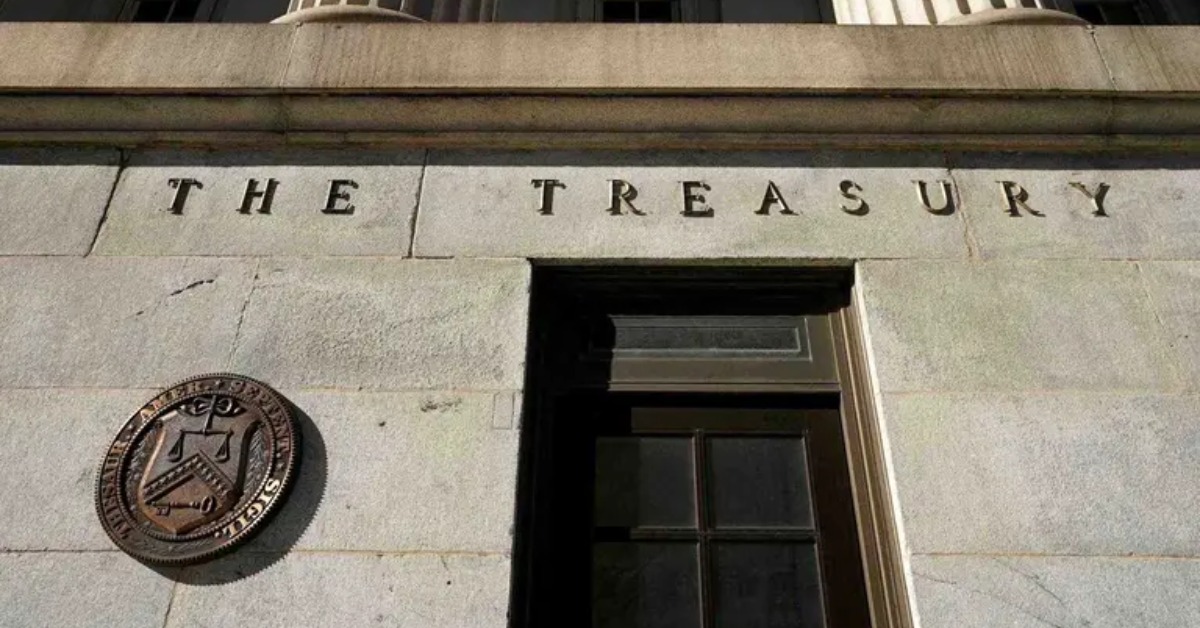
The United States sanctioned more than a dozen people and entities on Wednesday over alleged links to the Sinaloa Cartel, fentanyl trafficking, and money laundering.
The action named two alleged networks. One was tied to Armando de Jesús Ojeda Avilés, whom U.S. authorities accused of leading a money-laundering operation for cartel drug proceeds. The other was tied to Jesús González Peñuelas, also known as “El Chuy González,” who remains wanted by U.S. authorities.
U.S. officials said the sanctions were coordinated with Mexico’s Unidad de Inteligencia Financiera, the country’s financial intelligence unit. The announcement also said the investigation involved U.S. Homeland Security task forces and the Drug Enforcement Administration.
Restaurant and security firm named in Chihuahua
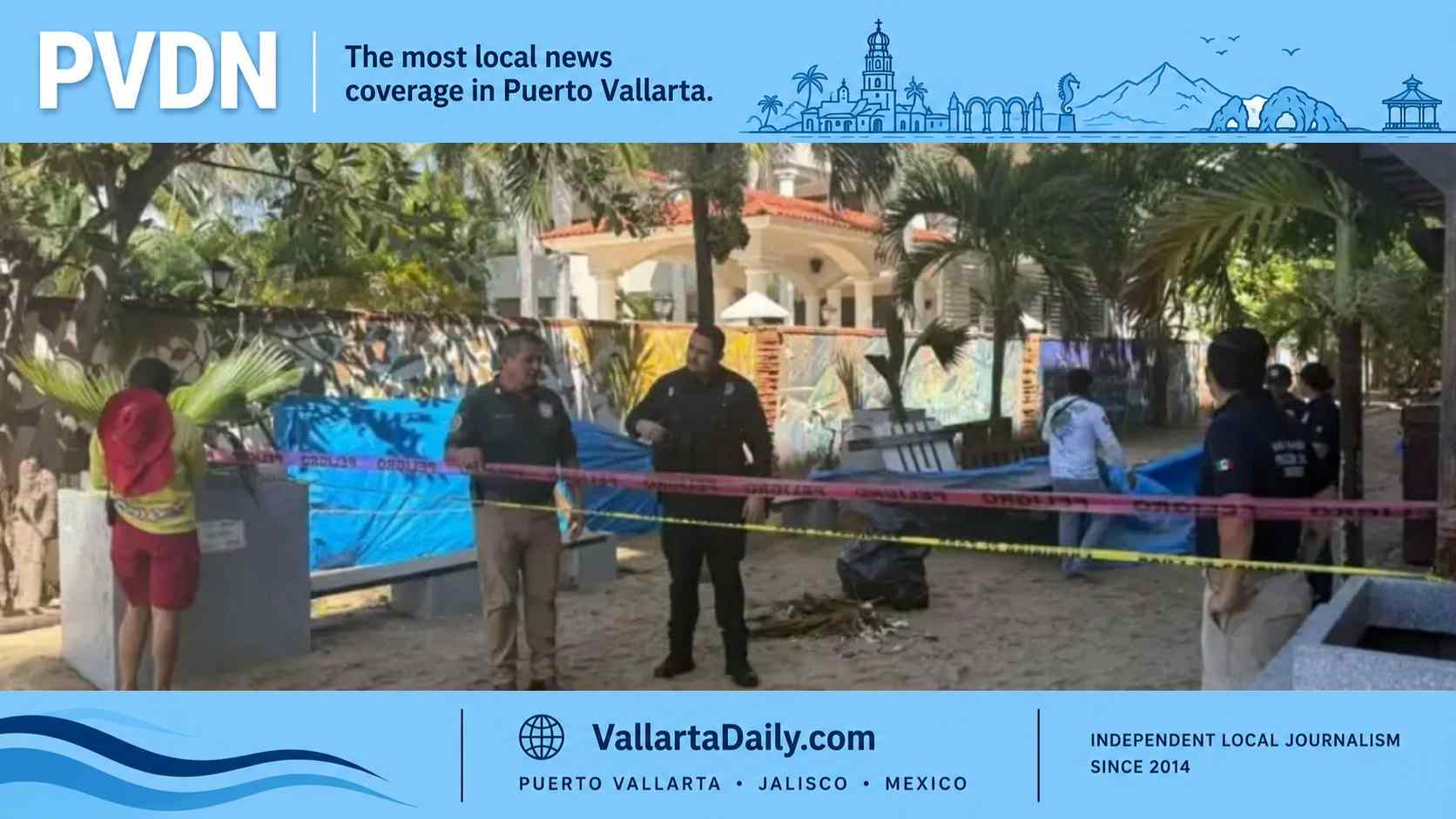
The sanctions also named Gorditas Chiwas, a restaurant in Chihuahua, and Grupo Especial Mamba Negra, a private security company.
U.S. authorities alleged both were controlled through businessman Alfredo Orozco Romero. They said Orozco Romero served as a security adviser to Ojeda Avilés and acted as a debt collector for money owed on cocaine shipments.
The announcement said Orozco Romero controlled the restaurant and security company through family members, Amalia Margarita Romero Moreno and Liliana Orozco Romero, who were also named in the sanctions.
The Office of Foreign Assets Control listed Gorditas Chiwas as a restaurant and mobile food service business. It listed Grupo Especial Mamba Negra as a private security activities company.
Fentanyl proceeds and cryptocurrency alleged
U.S. authorities accused Ojeda Avilés of helping move proceeds from fentanyl and other drug sales for the Sinaloa Cartel.
The Treasury Department said his network collected large amounts of cash in the United States. It then allegedly converted that money into cryptocurrency before transferring it to the cartel in Mexico.
The same announcement said Ojeda Avilés was affiliated with Los Chapitos, the faction tied to the sons of Joaquín “El Chapo” Guzmán Loera. U.S. authorities said the faction remains central to fentanyl trafficking into the United States.
The sanctions also named associates accused of acting as brokers, couriers, or facilitators in the alleged money-laundering network.
González Peñuelas remains wanted
The second alleged network was linked to Jesús González Peñuelas, whom U.S. authorities described as a Sinaloa Cartel cell leader.
He was previously indicted in U.S. federal courts in Southern California and Colorado on international drug trafficking charges. U.S. authorities have offered a reward of up to $5 million for information leading to his arrest or conviction.
U.S. officials allege González Peñuelas has been involved in the distribution of methamphetamine, heroin, cocaine, and fentanyl. They said his operation operated mainly out of Sinaloa, with distribution cells in several U.S. states.
Several people named in the latest sanctions were accused of helping move bulk cash, launder drug proceeds, or traffic narcotics on his behalf.
What the sanctions do
The sanctions block property and interests in property of the named people and entities that are in the United States or under the control of U.S. persons.
U.S. persons are generally barred from doing business with the sanctioned people and entities unless authorized by the government. The restrictions can also affect financial institutions and others that handle transactions involving blocked parties.
For foreign residents in Mexico, the immediate effect may not be visible in daily life. The larger issue is that U.S. cartel investigations continue to reach into alleged business, financial, and service networks inside Mexico.