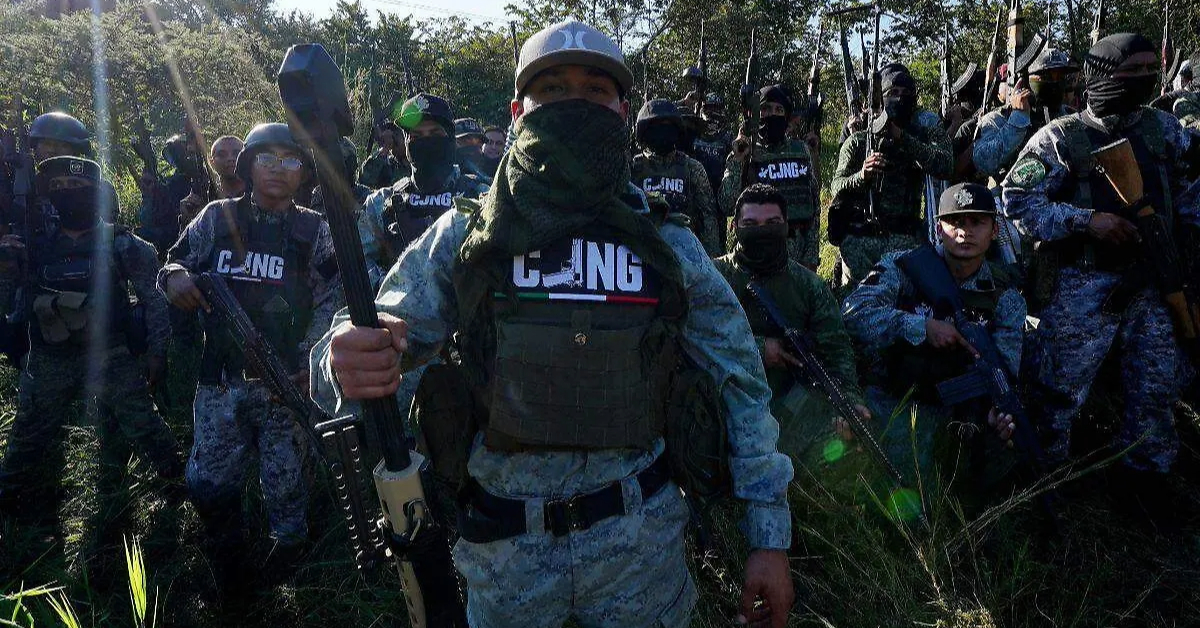
A U.S. arms-trafficking case is drawing attention far beyond the courtroom. Prosecutors say a foreign network worked to move military-grade weapons toward the Jalisco New Generation Cartel, using false paperwork and multi-country logistics. The allegations include a test shipment of AK-47s and talk about a much larger package that involved anti-aircraft systems. For readers in Mexico and abroad, the case matters because it suggests cartel supply chains may extend well past the usual border-smuggling routes and into a more global procurement network.
What prosecutors say happened
On March 20, Bulgarian national Peter Dimitrov Mirchev appeared in federal court in Virginia after being extradited from Spain. U.S. prosecutors say he and three other foreign nationals joined a scheme to supply military-grade weapons to CJNG, the Jalisco New Generation Cartel. The charges also include a cocaine conspiracy. They also include a count tied to providing material support to a foreign terrorist organization. That reflects the U.S. designation placed on CJNG last year.
This matters because the allegations go far beyond the gun-running cases that usually shape Mexico’s public debate. Prosecutors say the network discussed surface-to-air missiles, anti-aircraft drones, and ZU-23 anti-aircraft systems. They also say the group built paperwork to hide the weapons’ real destination. For many international readers, that moves the story beyond ordinary trafficking.
According to the indictment, the alleged scheme began no later than September 2022. Prosecutors say the group worked through Europe and Africa. They also say it relied on falsified End-User Certificates. Those documents are supposed to identify the legitimate final recipient of an arms shipment. Investigators say the paperwork was used to make weapons meant for a cartel appear as if they were going to a state buyer.
The U.S. case says the group obtained Tanzanian paperwork authorizing the import of AK-47 rifles. Prosecutors say that paperwork supported a test shipment of 50 AK-47 assault rifles, magazines, and ammunition exported from Bulgaria in 2024. They say the weapons were intended to reach CJNG. After those weapons were seized, the indictment says the network produced a false delivery document claiming Tanzania’s military had received them.
From there, prosecutors say the talks widened. The indictment describes discussions in late 2024 about a much larger weapons package. That package allegedly included anti-aircraft systems and missiles. Prosecutors valued it at about 53.7 million euros, or about $58 million. The court filing says that the package was still in the negotiation stage. The U.S. case does not say these heavier weapons were successfully delivered to CJNG.
Why this case stands out
Most weapons-trafficking cases linked to Mexico center on guns bought in the United States and moved south across the border. U.S. firearms data shows that traced crime guns recovered in Mexico still point back to U.S. trafficking pipelines. Texas and Arizona remain major source states. This case is different because prosecutors say the supply chain ran through Bulgaria and East Africa. They also say it sought weapons far beyond the rifles most often discussed in cross-border smuggling cases.
That does not mean cartel access to heavy weapons is new. Mexican criminal groups have long shown the ability to adapt military tactics, use armored vehicles, and recruit trained gunmen. What makes this indictment notable is the level of detail. It lays out alleged meetings, bank transfers, false documents, an initial rifle shipment, and a later shopping list. That list included gear designed to take on low-flying aircraft.
The ZU-23 matters for a simple reason. It is an anti-aircraft gun system built to engage helicopters and other low-flying targets. Even if the alleged purchase never reached completion, prosecutors say the conversations occurred and were serious enough to be included in a federal indictment. That helps explain why U.S. authorities are treating the case as more than a standard trafficking matter.
What it says about CJNG’s reach
For readers who follow Mexico closely, the case offers a window into how foreign investigators view CJNG. The U.S. filing presents the cartel not just as a domestic criminal group. It presents CJNG as a transnational buyer capable of seeking weapons, documents, transport routes, and brokers across several continents. That view fits a broader shift in how the United States has framed Mexico’s largest cartels since the February 2025 terrorism designations.
There is also a practical lesson here. When officials talk about stopping weapons flows into Mexico, the conversation often centers on straw purchases in U.S. gun shops and southbound smuggling at the border. Those routes remain central. But this case suggests enforcement agencies are also watching for a second layer of risk. That risk involves international brokers using legitimate-looking paperwork and weak oversight in multiple countries to hide the real buyer.
What comes next
Mirchev now faces the U.S. case in the Eastern District of Virginia. Another defendant from Kenya was extradited earlier this month. A Tanzanian defendant had already been extradited last year. A Ugandan defendant remains at large, according to the Justice Department. If convicted, the defendants could face long prison sentences. Some counts carry a mandatory minimum of 10 years, and the maximum sentence can reach life.
For now, the case remains an allegation, not a conviction. But even at this stage, it clarifies something important. The concern for Mexican and international authorities is not only the steady flow of firearms across the U.S. border. It is also possible that cartels can tap a wider market for military-grade weapons when brokers, paperwork, and profit align.