NBC reported that the White House is preparing a mission to hit cartel targets inside Mexico, with U.S. troops and intelligence officers involved and drone strikes on the table. Mexico has pushed back hard on any unilateral action. Legal experts in Washington also question whether the military has the authority to do so without Congressional Approval. The stakes are high: sovereignty, cross-border security, and the safety of civilians on both sides of the line.
American officials are weighing one of the most combustible moves in modern U.S.–Mexico relations: U.S. strikes in Mexico aimed at cartel targets. NBC’s investigation says planning has begun for a mission that would place U.S. troops and intelligence officers on Mexican soil, with drone strikes considered for drug labs and high-value figures. The same report notes Chicago-linked cartel leaders are listed among top targets.
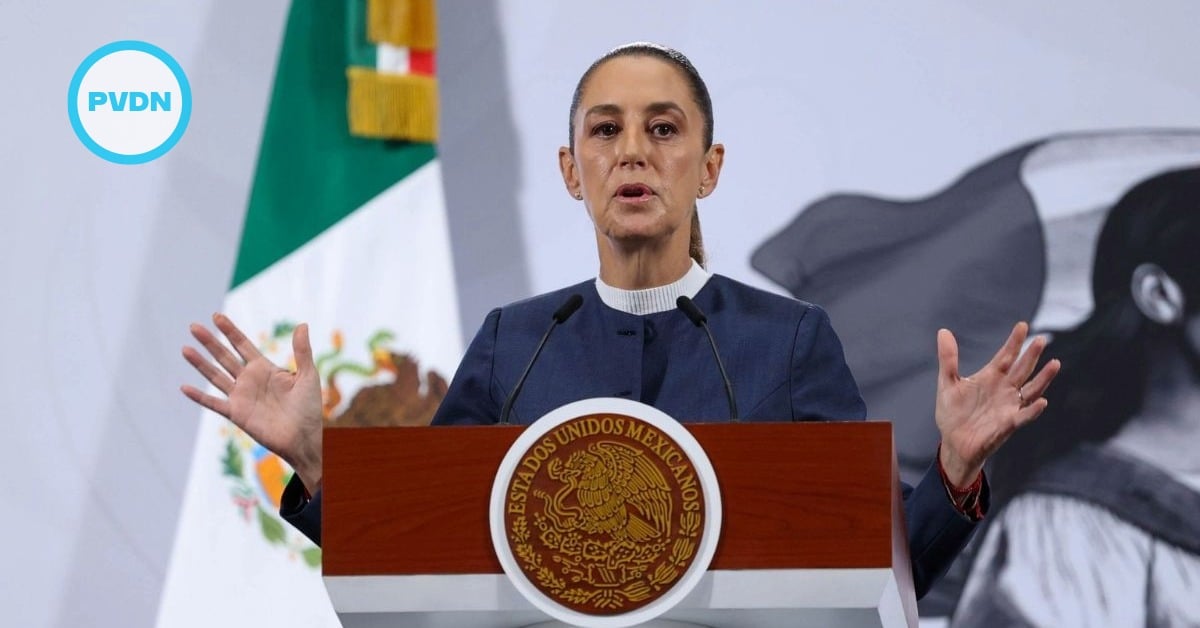
Mexico’s message is blunt. President Claudia Sheinbaum has repeatedly said her government will not accept unilateral U.S. military action, calling it a violation of sovereignty that “would not resolve anything.” That stance predates this latest report and has been restated throughout the year as Washington escalated rhetoric against cartels.
In Washington, the legal ground is shaky. Earlier this year a senior Pentagon official told Congress the U.S. military lacks authority for drone strikes on cartels in Mexico, despite new terror designations and tougher language from the White House. The administration has argued that some recent operations abroad fall within existing authorities, but critics in both parties say cross-border strikes on Mexican soil would likely require new authorization.
NBC 5 Investigates reports planning includes deploying U.S. troops “as agents,” with strikes designed to be deniable or limited in visibility. That framing mirrors past hints from the administration that the U.S. is in an “armed conflict” with foreign drug smugglers, a phrase lawyers say is intended to justify actions under the laws of war—an approach that’s drawn sharp pushback on Capitol Hill.
Mexico’s red lines
For Mexico, the fight isn’t just about tactics—it’s about who decides them. Sheinbaum has emphasized collaboration, intelligence sharing, and joint operations under Mexico’s leadership, but rejects any plan that appears to be an intervention. Her administration has also moved to tighten rules on foreign agents and has pressed the U.S. to curb the southbound flow of U.S. weapons that arm cartels. Those measures reflect a broader strategy: accept cooperation, refuse subordination.
That position resonates domestically. Mexicans remember past episodes when cross-border security cooperation veered into heavy U.S. involvement. Even advocates of tougher action concede that unilateral strikes—especially without congressional approval or Mexico’s consent—could rupture intelligence ties that both countries rely on to disrupt fentanyl supply chains and gun smuggling networks.
U.S. strikes in Mexico
In practice, much depends on law and risk. A move to hit targets inside Mexico would test presidential war powers. It could force a debate over a new authorization to use military force, which some in Washington have floated in broad terms against “narco-terrorists.” Without it, senior defense officials warn, the military’s hands are tied. Even with it, experts caution that air or drone strikes often scatter networks, invite retaliation, and pose real risks to civilians.
Supporters of kinetic options argue cartels now behave like armed groups with cross-border reach and that limited, precise strikes could degrade labs and leadership. But recent analyses from security scholars and rights groups counter that such campaigns rarely deliver lasting gains unless paired with painstaking, lawful policing, financial sanctions, and ironclad cooperation with the host nation. Otherwise the blowback—diplomatic, legal, and human—can outweigh any tactical win.
For now, NBC’s report describes planning, not orders to execute. No deployment appears imminent. But the mere possibility has already forced both governments to clarify their positions. Mexico’s are bright. Washington’s are being rewritten in real time. The next move—on Capitol Hill, at the Pentagon, or at the National Palace in Mexico City—will show whether this story becomes a rupture or a reset.