The US just sanctioned the Santa Rosa Cartel, accusing it of profiting from fuel theft and cross-border contraband while its jailed leader may still direct operations.
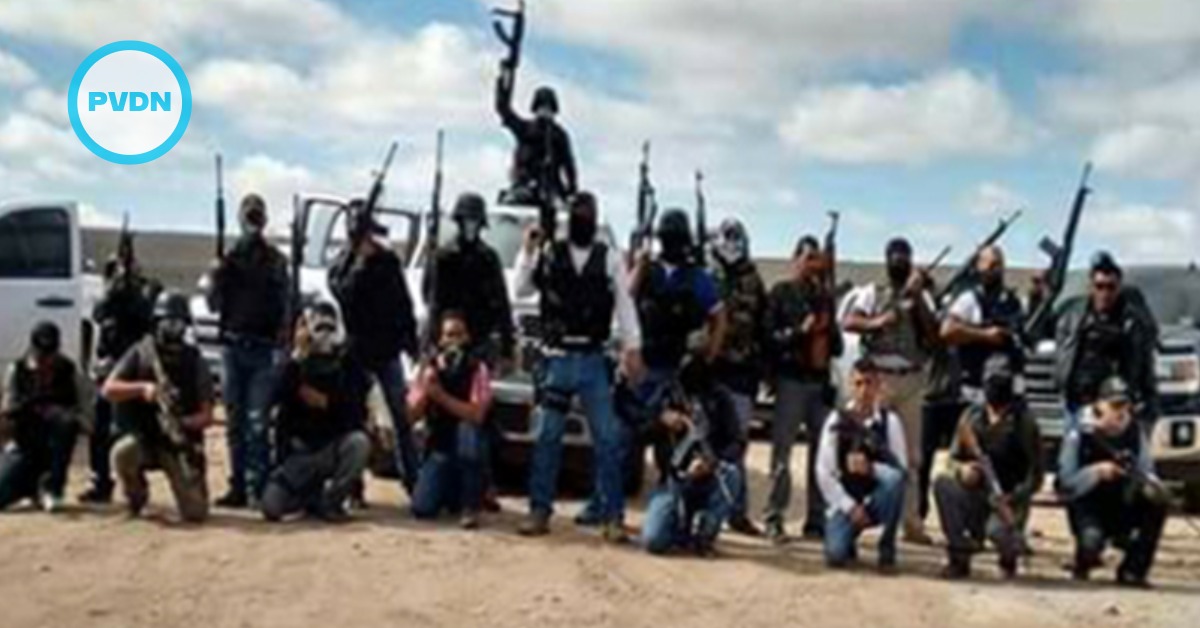
The US Treasury announced sanctions against the Santa Rosa Cartel, a group rooted in Guanajuato that authorities say built a business around stealing fuel and crude, then pushing it through a contraband pipeline tied to cross-border energy markets. And in the detail that makes your stomach tighten a little, Treasury officials also say the cartel’s best-known leader, “El Marro,” may still be directing people from prison.
So what does that actually mean? Is this symbolic? Or is it the kind of move that changes how money, fuel, and risk flow through the region?
What happened with the Santa Rosa Cartel sanctions
The short version is this: the US Treasury’s Office of Foreign Assets Control, known as OFAC, added the Santa Rosa Cartel to its sanctions list, along with its leader, José Antonio Yépez Ortiz, better known as “El Marro.”
When OFAC designates someone, it’s not a press release and a slap on the wrist. It’s a financial wall.
Any property or interests in property that fall under US jurisdiction can be blocked. US people and companies are generally barred from doing business with the sanctioned parties. And because global finance runs through US dollars and US banks more often than anyone likes to admit, the ripple effects can travel well beyond the United States.
Treasury framed this move around fuel theft and smuggling, not just drugs. That’s a shift worth paying attention to. It signals that energy crime is now being treated as a direct threat to cross-border markets, legitimate companies, and government revenue on both sides.
Why fuel theft gets Washington’s attention
Fuel theft can sound like a local, gritty crime story until you follow the money.
In Mexico, huachicol isn’t just siphoning gas from a pipeline with a jerry can. Authorities describe industrial-scale theft: illegal taps on pipelines, hijacked tanker trucks, and corruption that turns insiders into accomplices. Once you scale it up, it becomes a revenue stream that can fund weapons, recruitment, and long-running turf wars.
Treasury’s argument goes one step further. It says stolen fuel and crude feed an illegal, cross-border energy market that undercuts legitimate US oil and natural gas companies and drains “critical” revenue from the Mexican government. That phrase matters. It’s not just about crime. It’s about taxes, public spending, and the credibility of the energy market itself.
If you’re an expat, you don’t need to be in the energy sector to feel that pressure. You feel it when costs rise, when supply chains wobble, when violence flares along transport routes, and when entire regions get branded as unstable. Even if your daily life is calm, these networks can shape the background noise of living here.
The El Marro question that won’t go away
Here’s the part that tends to stick in people’s minds: “El Marro” has been in custody for years. Many people assume that’s the end of the story.
Treasury doesn’t see it that way.
In its sanctions announcement, Treasury says El Marro remains active from prison, sending instructions through lawyers and family members. It also notes he has faced major criminal accusations and has already received a lengthy sentence for kidnapping in Mexico.
Whether you follow cartel news closely or avoid it entirely, the idea is unsettling for a simple reason. Prison is supposed to be a hard stop. When authorities say leadership can continue behind bars, it raises a bigger question: how many other structures can operate the same way?
And it also explains why sanctions focus so much on money and logistics. If a leader can still communicate, then the lever becomes the network that pays people, moves product, buys protection, and launders profits.
What sanctions can change and what they can’t
Sanctions don’t send police into the streets. They don’t seize pipelines. They don’t magically make a violent group disappear.
What they can do is make it harder to turn crime into spendable money.
They increase the risk for anyone who knowingly touches the sanctioned network. They raise compliance pressure on banks and businesses. They can squeeze middlemen who rely on cross-border trade, shell companies, or “looks-normal-on-paper” shipments. And they can push people around the network into mistakes, because suddenly everyone is checking everyone.
Treasury also tied this move to a broader anti-smuggling push. It pointed to earlier US actions targeting crude oil smuggling and said that financial filings after those efforts flagged hundreds of millions of dollars in suspicious transactions moving between the United States and Mexico. That’s not small change. That’s a reminder that, for investigators, the paper trail is often the real crime scene.
Still, there’s a human reality worth naming. When a network is profitable, it adapts. Routes change. Labels change. посредники change. The promise of sanctions is friction, not a clean ending.
So if you’re looking for an overnight “problem solved,” this won’t give you that. If you’re looking for a sign that fuel theft has become a top-tier target in cross-border policy, this absolutely is that.
Why this matters if you live in Mexico
This story can feel distant if you’re not in Guanajuato. But it’s not just a Guanajuato story.
Fuel theft touches daily life in ways that are easy to overlook until something goes wrong. It can mean more violence around key infrastructure. It can mean pressure on transport corridors. It can mean corruption that spreads outward from the original crime. And it can mean that something as boring as “energy markets” becomes a space where organized crime competes with legitimate business.
There’s also a quieter, personal angle for expats. Many of us live in a kind of two-track Mexico. On one track, there’s the Mexico we see: errands, friends, beaches, traffic, tacos, rent, school runs. On the other track, there’s the Mexico that runs underneath it: the systems that move money, fuel, power, and impunity.
Most days, the tracks don’t collide.
Sanctions like this are a reminder that they can.
And they raise a question that’s hard to shake once you ask it: if stolen fuel is profitable enough to become a cross-border market, who else is quietly benefiting from it? The cartel isn’t the whole chain. It’s the violent part of a chain that also depends on paperwork, buyers, transportation, and people willing to look away.
That’s what OFAC is really aiming at. Not just the headline name, but the network that makes that name rich.