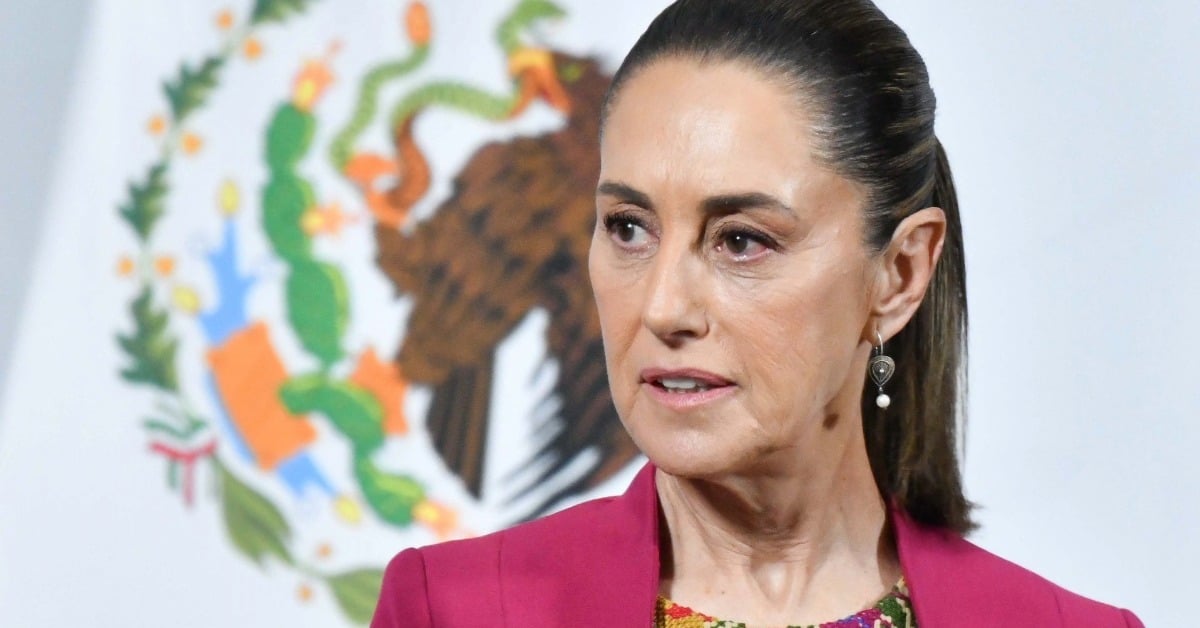
President Claudia Sheinbaum’s headline today was as direct as it was pointed: the travel notices from the United States “don’t have much impact.” The line is less a dismissal than a posture. It says Mexico’s tourism engine is sturdier than a single advisory cycle and that travelers still come.
Her comment also does political work. It links confidence in visitor demand to confidence in her security strategy, the subtext being that the country can keep growing tourism while tackling crime with its own approach. It’s reassurance for an industry that lives on sentiment as much as statistics.
U.S. travel alerts have little impact
By putting it so bluntly, Sheinbaum is trying to steady the narrative. Advisories can rattle casual travelers, and headlines travel faster than context. Her message answers that reflex. Mexico’s brand, she’s saying, is built on repeat visitors, word of mouth, and destinations that remain attractive despite periodic warnings.
There’s also a diplomatic balance here. She isn’t picking a fight with Washington. She’s asserting that Mexico will address security on its own terms while keeping doors open to visitors who have long treated the country as a second home. The remark is calibrated, not combative.
Reading the moment from the ground
Anyone who works in hospitality knows the pattern: advisories spike, phones ring, and then bookings often settle back if nothing dramatic follows. Sheinbaum’s framing leans into that lived reality. It aims to prevent a wobble from turning into a slide by reminding people that demand tracks experiences on the ground more than headlines on a screen.
That is the crux of today’s signal to hotels, airlines, and local operators. Keep the welcome warm. Keep service tight. Let travelers judge with their own eyes. The statement gives them cover to say exactly that to jittery customers.
The politics behind the reassurance
Security remains Mexico’s hardest domestic challenge. Saying U.S. travel alerts have little impact does not deny that. It repositions the debate: safety is being addressed, tourism stays open, and panic helps no one. Politically, the president is claiming the middle lane—own the problem while protecting an industry that employs millions.
That stance will be tested by events, as always. But the intent is clear: Mexico wants travelers to keep coming, and it wants to be the one to define the risk, not an external advisory written far from the beach, the market, or the plaza.