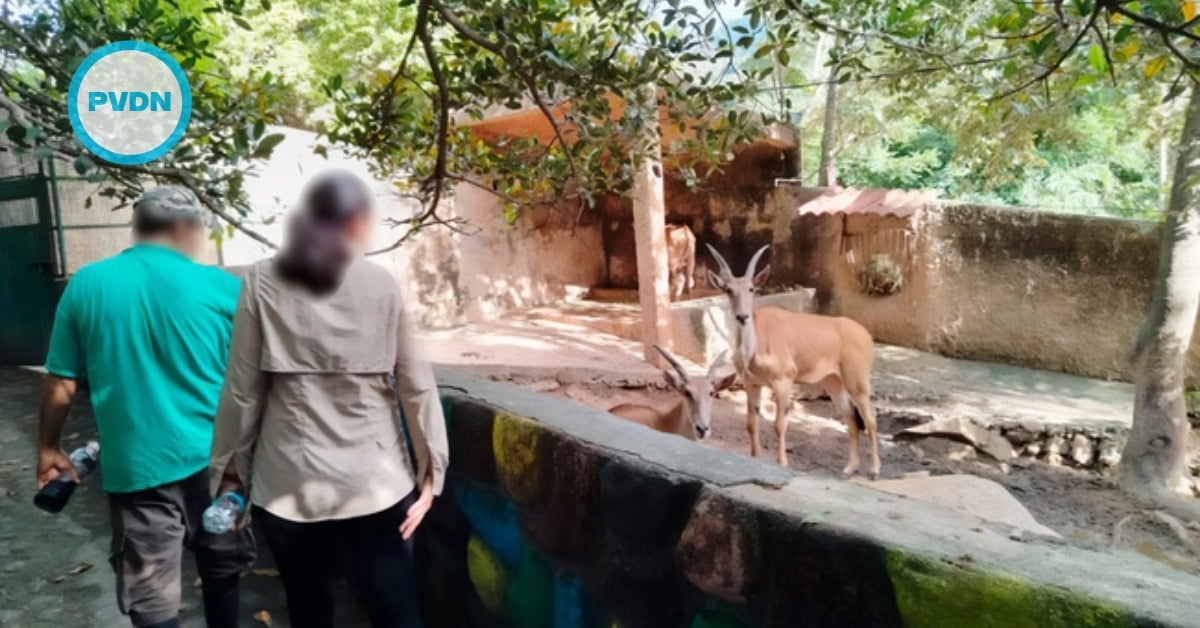
Federal environmental inspectors say the Puerto Vallarta Zoo passed a comprehensive four-day check in October, reporting animals in good physical condition with adequate food, water, and enclosures that match federal species-management manuals. The review was triggered by citizen complaints on social media alleging abuse.
According to Profepa, the team verified the marking systems, documented the animals’ legal origin under Mexico’s General Wildlife Law, and confirmed that the facility operates under a Management Plan authorized by Semarnat. Inspectors also issued recommendations to reinforce hygiene, handling, and contingency measures, which the zoo must implement promptly under agency monitoring.
Officials emphasized that the October visit was a direct response to posts circulating online. In public statements, Profepa clarified that a viral video of an emaciated lion shared by activists did not originate inside the Puerto Vallarta facility. Local coverage quoted Profepa’s chief, who stated that inspectors found two lion pairs at the zoo “in good condition” and urged the public to help identify where the viral clip was actually filmed.
Vallarta Zoo inspection
The Vallarta Zoo is registered as a PIMVS—a Property or Facility for the Management of Wildlife—an authorization issued by Semarnat that allows wildlife to be kept in confinement for controlled reproduction, exhibition, or other regulated uses, subject to strict management plans.
Under the General Wildlife Law and its regulations, facilities must demonstrate the legal origin of each specimen and maintain approved markings to track identity and provenance. These legal standards were part of what Profepa reviewed on site, alongside enclosure specs and care protocols referenced in federal manuals.
The inspection also arrives with history. In 2018, Profepa seized 54 wildlife specimens at the same zoo for violations related to humane treatment and documentation—an episode that still shapes local skepticism whenever new allegations surface. Today’s clean bill does not erase that past, but it provides a current snapshot of conditions and paperwork.
Even so, debate continues. Local outlets and activist groups argue that videos and visitor testimony show animals under stress and in substandard conditions, pressing for greater transparency and repeat inspections. Those critiques persisted after word of the October inspection, illustrating how public trust is earned over time, not one visit.
What happens next
Profepa says it will closely monitor the zoo as it implements the recommendations on hygiene, handling, and contingency planning. That continued oversight—plus a paper trail of veterinary care and compliance—will matter most in the coming weeks as the agency verifies that suggested fixes become daily practice.
There’s also a national backdrop. Just last month, Profepa shut down the La Pastora Zoo in Nuevo León after inspectors found severe failures in the care of Mina, a black bear whose case went viral. The closure and transfer underscore that when inspections uncover serious problems, the agency can — and does — act. That context is relevant in Vallarta: if conditions deteriorate or rules are broken, sanctions remain on the table.
Locally, officials have urged residents to file formal complaints through official channels rather than rely only on social media posts. Formal denuncia processes help investigators open files, request records, and return to facilities with legal authority to escalate if needed. That reminder echoes what Profepa stressed during the October review: public reports are valuable, but they must land in the right inboxes to count.