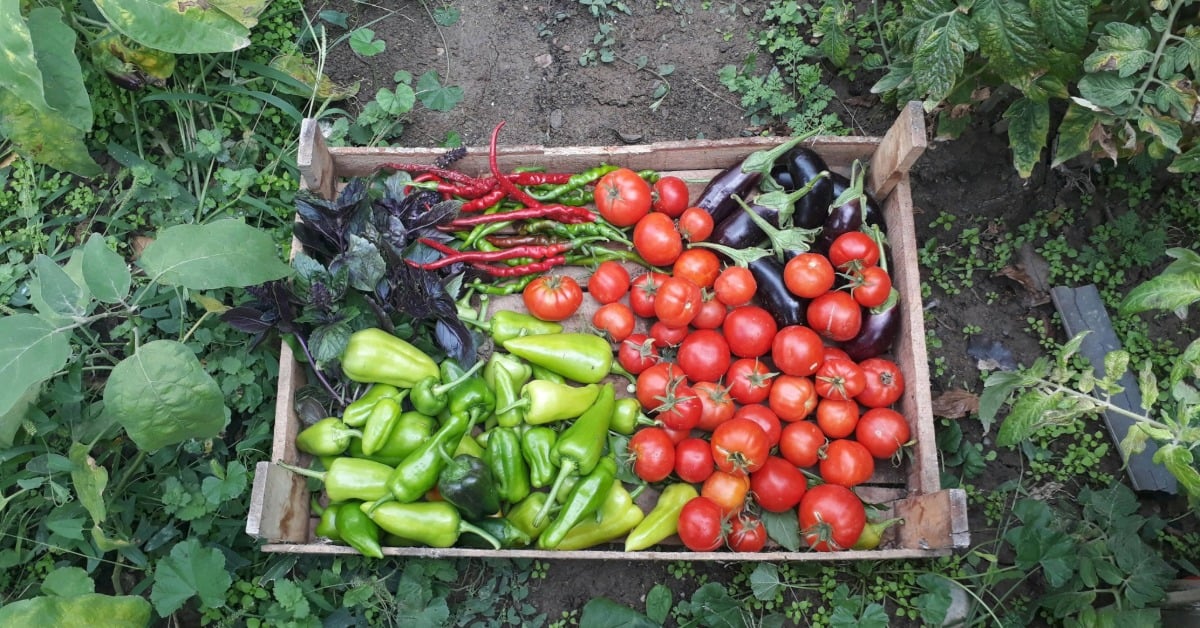
Vegetarianism on the rise in Mexico
Mexico’s most prominent newspapers are now covering vegetarian eating as more than a fad. Reporting from El Universal notes rising interest in plant-based products and a shift in how families build meals at home. The hook is familiar: people want to eat “more natural,” spend less on meat, and choose options they see as lighter and better for the planet.
The same coverage is careful about definitions. “Vegetarian” is a pattern centered on plants. Some people keep eggs and dairy. Others remove all animal foods. The label matters less than planning—because the body needs complete proteins and key micronutrients every day.
From milpa to mercado to mesa: Our Gastromony hub brings the big picture, what’s happening now, and our best national reporting on ingredients, regions, chefs, and the business of food.
What is driving the shift
Sustainability sits beside health. FAO and WHO guidance on “sustainable healthy diets” encourages patterns that are mostly plant-based, with fewer red and processed meats and less waste. That language has filtered into clinics, school materials, and media explainers. People hear it, then look for practical steps they can afford.
There is evidence for cardiometabolic gains. Extensive cohort studies, including the EPIC-Oxford research, have linked vegetarian patterns with a lower risk of ischemic heart disease. However, some work shows a slight uptick in hemorrhagic stroke risk that underscores the need for balanced nutrients and medical guidance. The bottom line is nuance, not hype.
How to build a complete plate without meat
Mexican food culture already solved part of the puzzle. Nutritionists point to arroz con frijoles, tlacoyos de haba, tortillas with beans, and amaranth as everyday ways to combine cereals and legumes so the amino acid “links” add up to complete proteins. That’s the logic behind the Plato del Bien Comer: color the plate with fruits and vegetables, add grains, and cover protein with legumes (and animal foods if used).
This is where many first-time vegetarians go wrong. They drop meat, then lean on ultra-processed substitutes. A better move is to start with beans, lentils, chickpeas, soy, whole grains, seeds, and nuts. Keep the cooking simple and the portions steady. Your stomach—and your budget—will notice.
The real risks and how to avoid them
Vitamin B12 deserves respect. It is found naturally in animal foods, so strict vegetarians should use fortified foods or supplements. Clinicians also watch iron (especially for menstruating people), zinc, iodine, vitamin D, and calcium. None of this is a deal-breaker; it’s a checklist.
Children and pregnancy are exceptional cases. Mexican nutritionists quoted by El Universal caution that kids need careful planning and professional supervision if families remove animal foods. For infants and young children, cow’s milk and age-appropriate dairy alternatives are not interchangeable gram-for-gram; fortification and total diet matter for growth. The safest route is a tailored plan with a pediatrician or dietitian.
What the science really says
Across major cohorts, vegetarian patterns are associated with fewer cases of ischemic heart disease and lower diabetes risk, after accounting for weight and lifestyle. Observational science can’t prove cause, but mechanisms—lower LDL, higher fiber, better glycemic control—fit what clinicians see in practice. The caution flags remain: don’t ignore B12 and don’t let overall protein and iron slide.
International guidance now frames plant-forward eating as a health and sustainability play, not a purity test. That clears space for Mexico’s traditions—bean stews, corn-based dishes, seeds, and greens—to anchor the change.
Where culture meets the kitchen
A shift away from heavy daily meat does not mean abandoning flavor or identity. Mexico’s pantry is broad: black beans, flor de mayo, epazote, calabaza, quelites, amaranth, maize in all its forms. With basic skills and a few cheap staples, most households can cook satisfying, protein-complete meals. That cultural fit is why the trend feels durable rather than trendy.
Restaurants and brands are following. Media coverage points to a market that’s expanding as diners seek plant-forward menus, while home cooks return to beans and grains. The costs pencil out when you cook rather than chase pricey analogs.
The takeaway for readers
If you’re curious, start small. Swap one or two meat meals a week for bean-based plates. Add a daily fruit and leafy green. If you plan to go fully vegetarian, speak with a clinician about B12 and iron, especially if you’re pregnant, nursing, or managing a condition. Then cook from the Mexican canon. It has done this work for centuries.