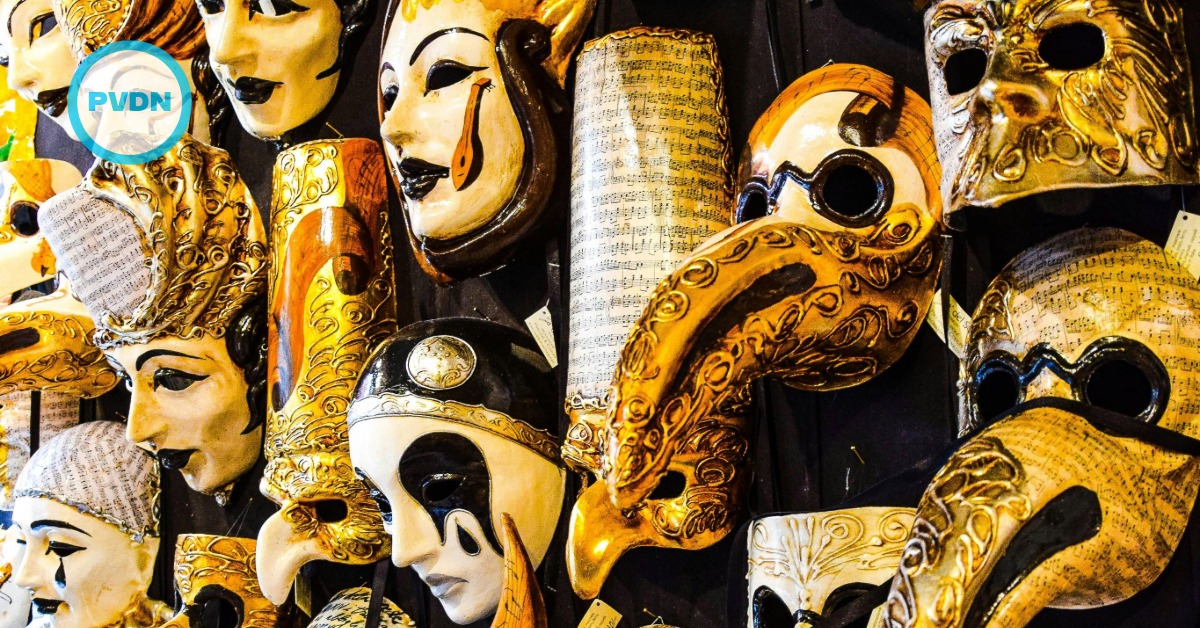
For over a century, the port city of Veracruz has thrown one of the world’s most joyful carnivals. Amid the dancing and parades, a simple accessory ties the past to the present: the mask. These vibrant disguises give carnival-goers the freedom to satirize and celebrate anonymously—a tradition born in colonial-era masquerades and carried through generations. Now, as Veracruz prepares for the 2026 Carnival with community mask-making workshops and revived festivities, the enduring magic of a masked carnival reveals a cultural heartbeat that refuses to fade.
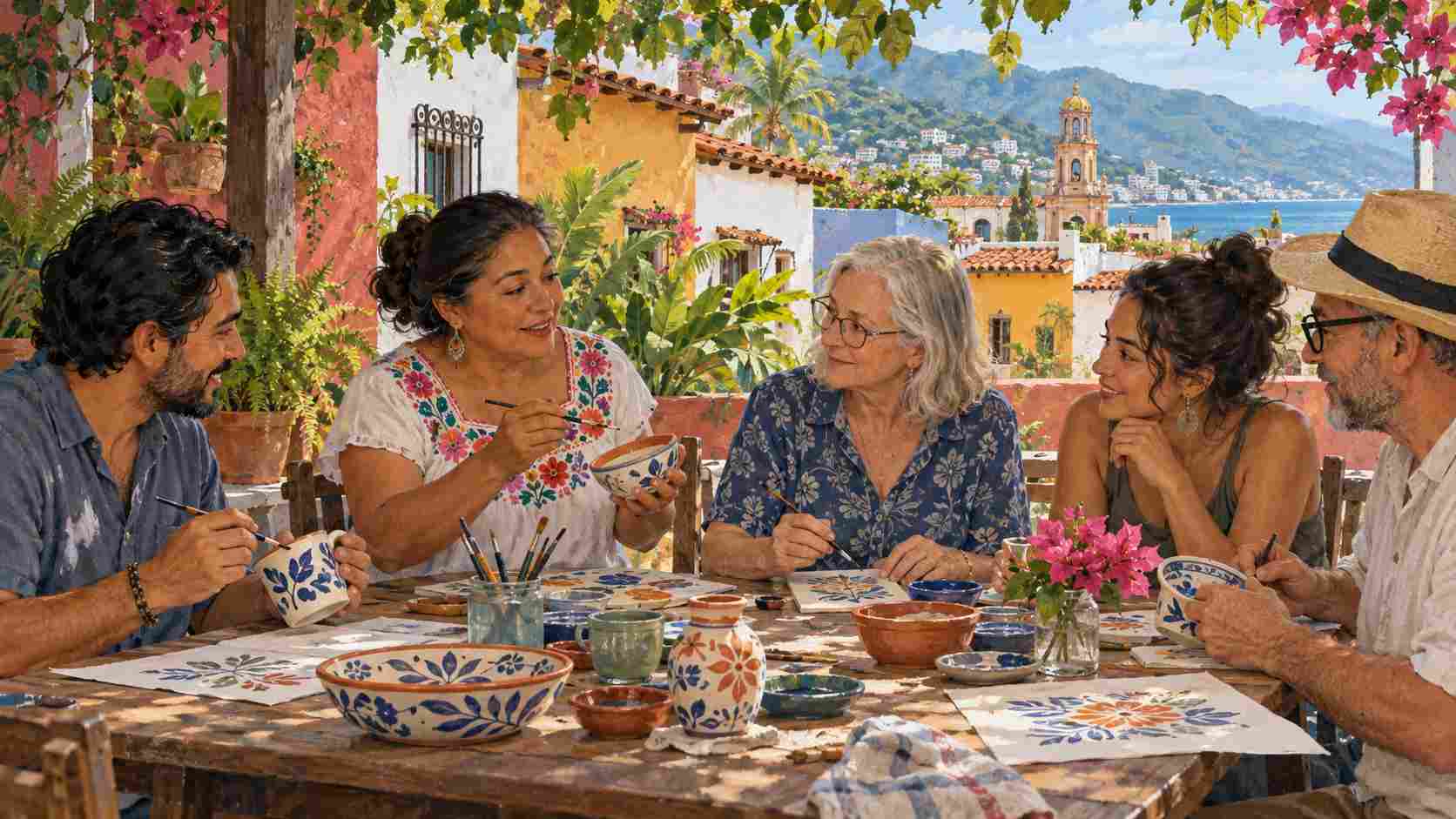
In a sunlit workshop at Veracruz’s arts center, locals dab bright paint onto papier-mâché faces. Blank forms slowly transform into colorful carnival masks as the participants laugh and share tips. This free class—led by master artisans—is just one way the city is gearing up for its 2026 Carnival season. It’s also a reminder that beyond the flashy parades and big-name concerts, the true spirit of Veracruz’s Carnival lives in its masks. For generations, these handcrafted disguises have allowed anyone to become someone (or something) else for a few nights. With a mask on, a shy neighbor can dance like a devil, and a humble worker can play a king. The mask tradition gives everyone a chance to celebrate freely, anonymously, and joyfully, just as their ancestors did.
From Colonial Masquerades to a Cultural Emblem
Veracruz’s Carnival may be famous for being “the happiest in the world” today, but its roots run deep. Long before the official carnival was established, people here were already donning masks for festivity and ritual. Historical records note that even in the 1700s, local communities used masks and costumes in seasonal celebrations linked to renewal, fertility, and the playful upending of social order. Those early masquerades set the stage for what would become the Carnival of Veracruz. By 1866, under the shadow of Emperor Maximilian’s rule, the citizens of Veracruz received permission to hold a grand “Fiesta de Máscaras.” This masquerade ball saw the city’s elite parade through the streets in elaborate costumes on their way to dance halls, while crowds gathered along the sidewalks to cheer and join the fun. That yearly masked parade quickly caught on, and soon the whole town was swept up in carnival fever.
In the early 20th century, the carnival evolved from informal street revelry into a civic celebration for everyone. A volunteer carnival committee was formed in 1925, adding structure and spectacle to the festivities. They crowned the first Carnival Queen and organized comparsas—costumed dance troupes—to accompany her through the city. Over time, new traditions like the “Quema del Mal Humor” (Burning of Bad Mood) and the comedic funeral of “Juan Carnaval” bookended the week of merrymaking. Through all these changes, masks remained at the heart of it all. During those nights of revelry, a simple mask could erase class divisions and turn a dockworker and a businessman into equal clowns dancing side by side. The Carnival of Veracruz became a cultural melting pot, blending Spanish, Afro-Caribbean, and indigenous influences. The music, the rhythms, the very costumes themselves—especially the masks—reflected this fusion. European-style masquerade elegance mixed with indigenous storytelling and the drumbeats of Africa. To this day, when the carnival crowds fill the streets, the masks they wear carry a legacy of liberty and satire. Hiding one’s face has always meant speaking one’s mind—whether to poke fun at authority or simply to express one’s wildest creativity without fear. Little wonder that Veracruzanos see the mask as the soul of their carnival, a symbol of both their identity and their imagination.
Reviving the Masked Spirit in 2026
This year, Veracruz is making sure its mask tradition not only survives but thrives. As the 2026 Carnival approaches (running from February 10 to 18), local authorities and artists have teamed up to reconnect people with the art behind the party. At the Centro Veracruzano de las Artes (Cevart), a special mask-making lab invites young and old to learn the craft firsthand. For two weeks leading right up to Carnival, veteran mask-makers Tamara Luis and María Flores are leading daily sessions, teaching participants how to sculpt and adorn masks from scratch. More than just an arts-and-crafts class, each session doubles as a storytelling circle: as they paint and glue, attendees also hear tales of past carnivals and the meaning behind each vibrant design. It’s a hands-on history lesson, ensuring the next generation understands why their grandparents cherished these festivities and why a well-made máscara can be more powerful than any fancy costume.
The city government is amplifying this spirit across Veracruz. Under the guidance of Indira Domínguez, the city’s Director of Culture and Recreation, a program called “Preludio de Carnaval” has been launched to build excitement and community involvement. On weeknights throughout January, public squares turn into open-air classrooms. One evening, it’s a samba and batucada drumming workshop in a downtown park. There, local percussionists bang out infectious rhythms and teach passersby to do the same. Another night, makeup artist Martín Corona shows aspiring revelers how to create fantastical carnival looks with face paint and glitter at the City Museum. And at the end of January, artisan Abimael Escobar will host a free mask-making course, open to anyone willing to pick up a brush. These activities require little more than enthusiasm—many are drop-in friendly, welcoming local families and curious tourists alike to jump in. It’s all part of Mayor Rosa María Hernández Espejo’s push to make this Carnival a celebration of community pride. In fact, every workshop and cultural event leading up to Carnival is offered free of charge, as the mayor insists that tradition belongs to everyone, not just those who can pay.
The lead-up to Carnival 2026 isn’t only about workshops. Veracruz is also bringing back a cherished custom that had faded over time: the grand baile de máscaras, or masquerade ball. On the evening of February 6, just days before the official carnival kickoff, the city will throw an outdoor masquerade party along Independencia, the historic downtown avenue. Under the night sky, live music will play as neighbors in creative disguises dance together. There’s even a friendly contest for the best costume and mask, limited to a handful of contestants, which adds a bit of old-fashioned thrill. The point, though, isn’t the competition or prizes—it’s to relive a Veracruz tradition that once lit up the city’s salons and alleyways, reminding everyone that carnival magic isn’t confined to the main parade route. An exhibition of local art inspired by Carnival is also on the agenda, showcasing paintings, sculptures, and photographs that capture the arte y magia of the port’s beloved fiesta. By weaving these cultural events into the schedule, organizers hope to strengthen the sense of veracruzaneidad, or Veracruz identity, around the carnival. It’s a way of saying: this isn’t just a party, it’s who we are.
Of course, the big show itself promises all the exuberance Veracruz is known for. For eight days, the city will burst into celebration as it has for over a hundred years. The festivities start with a fiery bang on February 10, when a giant effigy symbolizing gloom and misfortune is set ablaze in the Quema del Mal Humor. By burning away the year’s troubles—often with a humorous twist, since the effigy might be made to resemble an unpopular public figure—Veracruz sets a joyful tone from the outset. Night after night, the Malecón waterfront will throb with music. Crowds can expect six major parades full of feathered dancers and gleaming floats rolling by to salsa, cumbia, and danzón tunes. The air will be warm and thick with confetti. And each night, after the daytime processions, major concerts will keep the energy high. This year’s Carnival features a diverse lineup of performers. Mexican pop star Carlos Rivera will serenade thousands during the coronation of the Carnival Queen. Banda MS will bring their booming regional banda sound to another night’s show. Even Chilean singer Mon Laferte is set to grace the stage. These free outdoor concerts ensure that, whether you love tropical rhythms or romantic ballads, there’s something for everyone to dance to under the Veracruz moonlight.
Still, for all the modern glitz and celebrity headliners, the essence of Carnival here remains unchanged. It lives in the spontaneous moments—the impromptu dance circles, the laughter of children in miniature costumes, and above all, the countless masked faces that flood the streets with smiles and mischief. The carnival week concludes on February 18 with the traditional Entierro de Juan Carnaval, a symbolic “burial” of Carnival itself. In a theatrical procession, an effigy representing Juan Carnaval (the spirit of the festival) is mourned by costumed “widows” as if he were a beloved friend. Amid exaggerated wails of grief, a tongue-in-cheek testament is read aloud, poking fun at the year’s political follies and local scandals in true carnival fashion. It’s the city’s final cathartic laugh before normal life resumes. As the last fireworks fizz out and the masks are finally lifted, the people of Veracruz know they’ve been part of something bigger than a party—they’ve upheld a legacy.