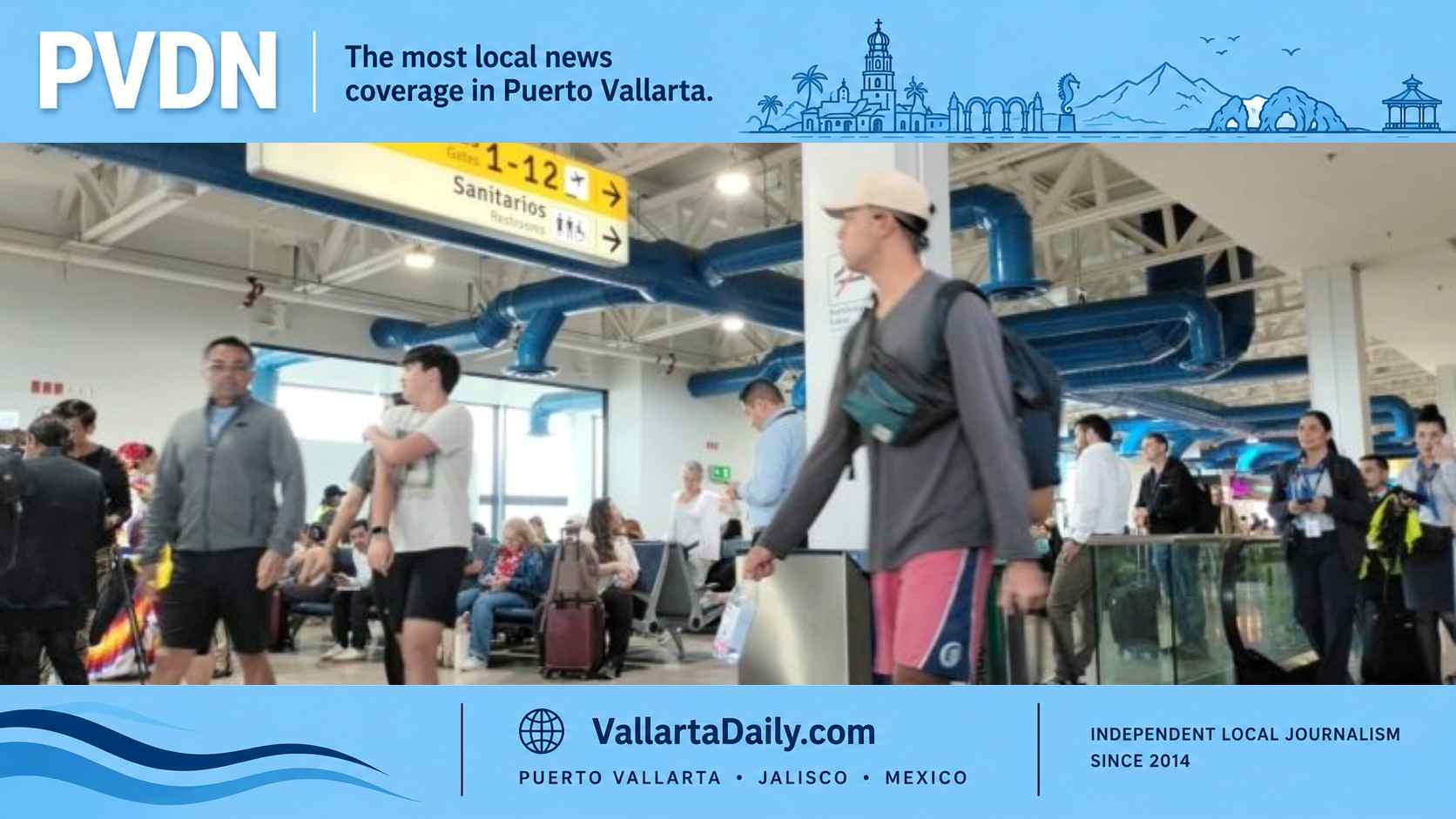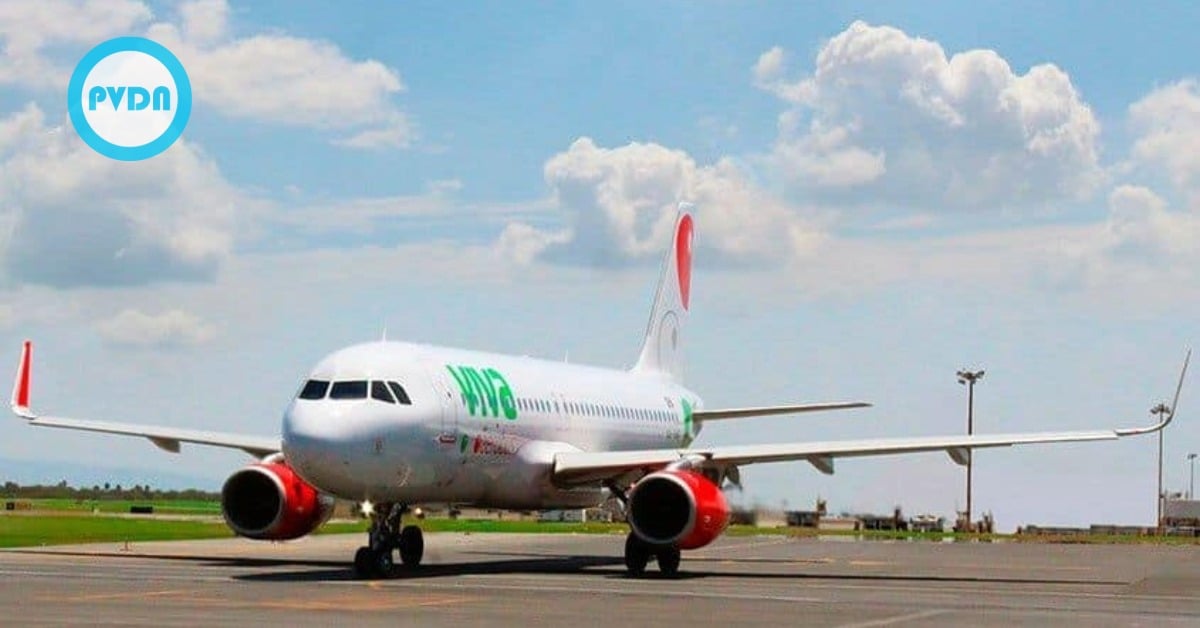
Passengers on Viva Aerobus flight VB7351 from Puerto Vallarta to AIFA spent the late morning of Wednesday, September 10, waiting, guessing, and finally deplaning after maintenance flagged a technical issue during boarding. The cabin stayed full for nearly an hour without clear updates, according to those on board, before the captain called the flight off and ordered everyone back to the terminal. A replacement aircraft operated the service later, stretching the total delay past two hours. The episode adds to recent complaints about communication and reliability—and raises fresh questions about passenger rights in Mexico.
Viva Aerobus delay
A maintenance worker halted boarding for VB7351—scheduled to operate from Puerto Vallarta to Felipe Ángeles International Airport (AIFA)—after identifying a technical condition that, according to the captain, made departure unsafe. Passengers seated on board said they received little concrete information for close to an hour before being told to disembark. They were later reassigned to another aircraft and eventually departed, with the total delay surpassing two hours, according to accounts shared locally.
What flight data shows about VB7351 on September 10
Third-party flight-tracking data for VB7351 on September 10 indicates the Puerto Vallarta–AIFA segment departed significantly later than scheduled and arrived behind timetable—consistent with a same-day operational disruption on the route. These trackers also show VB7351 commonly operates as a through-flight that continues beyond AIFA, which can complicate day-of-operations changes when one leg is delayed.
What Viva Aerobus said by press time
As of publication, the airline had not posted a detailed public explanation of the technical issue that grounded the original aircraft for VB7351. We found no carrier bulletin specifying the cause beyond the safety-related maintenance stop that passengers described. (Viva’s flight-status portal requires a live lookup and did not show a standalone advisory for this flight during our checks.)
What rights passengers have during delays in Mexico
Mexican law and consumer rules set minimum assistance and, in some cases, compensation when delays are attributable to the airline. Under PROFECO guidance tied to Article 47 Bis of the Civil Aviation Law, travelers may receive communications and basic assistance during delays; for long delays or cancellations attributable to the carrier, options escalate to rebooking, refunds, and—when applicable—compensation (for example, re-routing or reimbursement plus an additional percentage). Exact remedies depend on the length of the delay and the cause.
If you were on VB7351 and the delay was airline-caused, PROFECO says you can seek redress at airport modules or through its channels; during the 2025 summer period, the agency reported thousands of advisories and conciliations with airlines, underscoring that help is available at the terminal when disruptions hit.
Why the AIFA link matters
Viva Aerobus has been scaling up operations at AIFA throughout 2025, positioning the airport as a larger hub with dozens of routes, including the Puerto Vallarta connection. That growth means more connecting itineraries hinge on on-time performance at AIFA—and a hiccup on the Puerto Vallarta leg can cascade into later segments.
The passenger experience on VB7351
For those on board Wednesday, safety came first—which is the right call. But the absence of timely, specific updates during the hold and the abrupt order to disembark left people feeling stranded. More transparent communication costs nothing and matters most when the answer is “not yet.” The aircraft swap eventually got travelers moving again. Still, a two-plus-hour delay with sparse information is precisely the kind of experience that keeps fueling complaints about reliability and service—especially on busy leisure routes where schedules are tight.