The Huasteca’s most vibrant Day of the Dead tradition is taking to the road. This year, Xantolo 2025 celebrations won’t stay put in their mountain towns; they’ll open in Michoacán, swing through the state capital of San Luis Potosí, and return home to the Huasteca for the big nights. Expect masked huehues, rattling bands, neon-bright arches of cempasúchil, and altars that glow after dusk. And yes, it’s more than a show—it’s the living heartbeat of a community welcoming their dead back home. Curious what’s happening where—and why it matters?
Xantolo 2025 celebrations
San Luis Potosí is taking its Huasteca soul on tour. Authorities rolled out a traveling program that starts in Michoacán on October 18–19 (Morelia and Pátzcuaro), continues in the SLP capital on October 24–26, and lands back in the Huasteca for November 1–2, the core dates when families receive their dead. The plan—presented by the state’s Culture Secretariat with Governor Ricardo Gallardo—aims to showcase Huasteca tradition beyond its home turf and then bring it all back for the main nights.
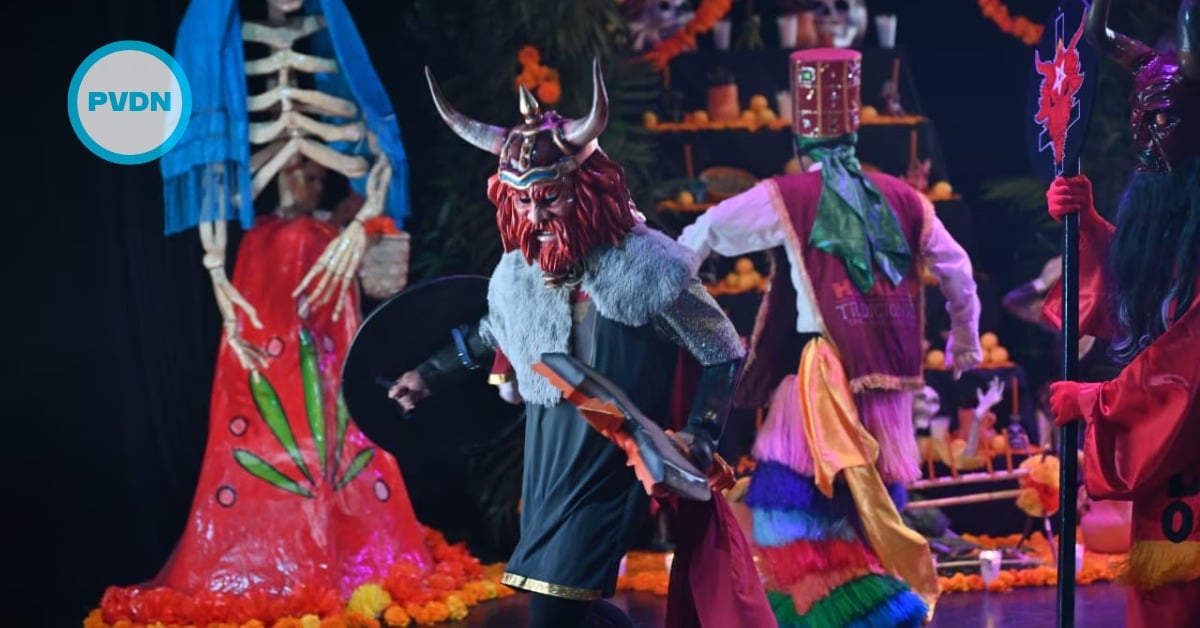
At its heart, Xantolo is the Huasteca’s way of living with death: homes and plazas fill with altars, food, and candles; masked dancers known as huehues sweep through the streets in costumed comparsas; and brass-and-drum bands rattle the night until first light. Those elements are what the state says it will carry to Michoacán and the capital—altars, ritual dance, live music, craft, and community programming—before the festival settles into the Huasteca towns for All Saints and All Souls.
To be clear, “Xantolo” isn’t a generic brand for Day of the Dead—it’s specific to the Huasteca. This region spans parts of San Luis Potosí, Veracruz, Hidalgo, Tamaulipas, Puebla, and Querétaro. UNESCO recognizes Mexico’s Indigenous festivity dedicated to the dead as Intangible Cultural Heritage. Within that umbrella, Xantolo carries the Huasteca’s voice: arched doorways of cempasúchil, masked elders dancing the old steps, and altars that read like family histories.
Michoacán’s Pátzcuaro has its own name for these days—Noche de Ánimas—rooted in the Purépecha world of lake islands, candlelit cemeteries, and all-night vigils. This year’s municipal calendars in Pátzcuaro run across late October into early November, with Janitzio’s lakeside crossings and town-by-town ceremonies drawing heavy crowds. The point of taking Xantolo there isn’t to replace local tradition; it’s to cross-pollinate—let Huasteca comparsas meet Purépecha altars, and send travelers south with a better ear for nuance.
On the ground, expect the traveling bill to look and feel like Huasteca nights: masks and capes, devils and skeletons, elders and children in step, bands that don’t quit, and altars heavy with bread, citrus, chocolate, tobacco, and mezcal. In the Huasteca, huehues often “ask permission” to dance in cemeteries, turning grief into motion. That choreography—equal parts prank and prayer—will headline the capital dates before returning to the towns where it was born.
The calendar alignment matters. Opening in Michoacán on October 18–19 lets the tour meet film-festival crowds in Morelia and early arrivals in Pátzcuaro. The San Luis Potosí capital takes center stage from October 24–26, as marigolds and papel picado burst across the plazas. Then the program ends where it must, November 1–2 in the Huasteca, when families say the quiet part out loud—come back, sit, eat, remember. Officials and independent outlets report the exact dates across platforms, suggesting a coordinated roll-out rather than a one-off announcement.
If you’ve only known Day of the Dead through movies and makeup, this itinerary offers a chance to experience the tradition firsthand, as people actually live it. In Xilitla, San Martín Chalchicuautla, or Tanquián, the night feels less like a festival and more like a family reunion with open doors. Media chronicled last year’s scenes—comparsa lines threading between graves, arched altars blazing orange, musicians catching their breath at dawn—and the 2025 edition promises the same pulse.
What to expect on the ground
Crowds will be real. Hotels in Pátzcuaro tend to be nearly complete by late October, and San Luis Potosí’s capital weekends should be busy once the comparsas hit downtown. Still, the most profound moments often happen away from the main stage: a grandmother telling a child why the salt is there; a teen drummer keeping time for elders in masks; a neighbor handing you a slice of pan de muerto and asking who you’re remembering this year. That’s the door Xantolo holds open.
Authorities say fuller schedules will post on official channels as dates approach—watch the Culture Secretariat, the state government feeds, and the “Xantolo en tu Ciudad” pages for site-by-site times. If you go, show up early, move on foot, ask before photographing families at altars, and let the music set your pace. In the Huasteca, the border between audience and participant is thin by design. Step lightly and you’ll be welcomed in.