Xin Xin, the last giant panda in Mexico, is saying goodbye on her own slow terms. The 35‑year‑old female lives at Chapultepec Zoo and still greets visitors, but city officials warn that her life cycle is closing. “She just turned 35, making her one of the oldest pandas in the world… Xin Xin is in the final stages of her life,” said Julia Álvarez Icaza, who heads Sedema, Mexico City’s environmental agency.
Álvarez Icaza stressed action, not alarm. The team gives Xin Xin constant care and invites anyone to see her while she remains active. “We are taking all the necessary care, absolutely all the care… it is important to warn the population… a normal life cycle is coming to an end,” she said.
Care, vigilance and an open invitation
Xin Xin’s routine shows how a geriatric panda lives well. Three specialized keepers stay with her full time. Veterinarians run regular checkups. Nutritionists adjust her bamboo, fruit and fiber so she digests it easily at her age. Sedema reminds visitors that even perfect care cannot stop time. Any day could be her last, so they encourage respectful visits now.
The agency also plans a tribute. When Xin Xin dies, Chapultepec will hold “a great celebration” to honor her life. Until then, staff members keep the focus on comfort and dignity—quiet spaces, monitored health, and a familiar team beside her enclosure.
A one‑of‑a‑kind diplomatic legacy
Xin Xin carries a rare status. Sedema notes that she is “the only giant panda not owned by the Chinese government.” China changed its policy in 1984; after that year, all pandas abroad went out on loan. Xin Xin was born in 1990 from parents already in Mexico, so no contract binds her to Beijing. That quirk makes her unique in Latin America and a living link to the goodwill exchanges of the 1970s.
Her name means “hope.” She arrived on July 1, 1990, the daughter of Tohuí—Mexico’s first surviving panda cub, immortalized in a Yuri song—and Chia Chia, a male from the London Zoo. For many chilangos, she’s a childhood memory that never left the city: school trips, weekend walks, and family photos in front of her habitat.
A birthday that felt like a keepsake
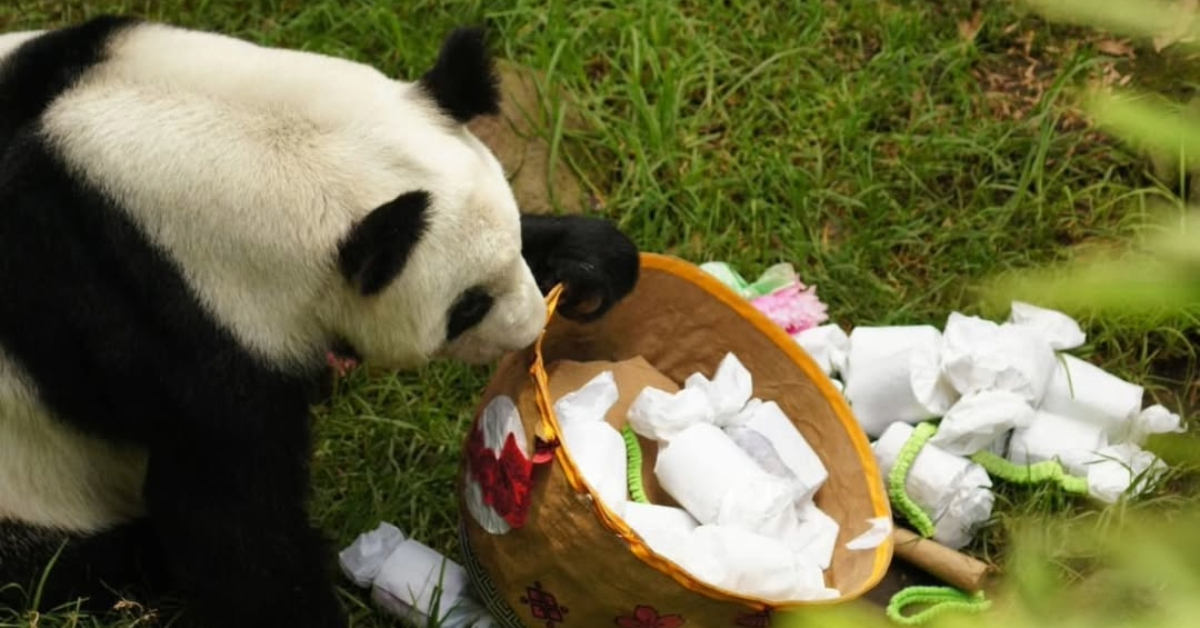
Just weeks ago, Chapultepec staff marked her 35th birthday. Xin Xin gnawed an apple‑and‑oatmeal cake, poked at wrapped gifts, and tore into a piñata. The images travelled fast, and people saved them like postcards from a friend you know you’ll miss. Sedema says she has already given Mexico “between 10 and 15 additional years” beyond the usual 20‑to‑25‑year panda span.
When Xin Xin’s story closes, Mexico will have no giant pandas on display. Authorities are weighing future options, but nothing concrete exists. For now, the city leans on clarity and care: visit her, understand her age, and remember that hope—Xin Xin—already delivered more than anyone expected.
Xin Xin, giant panda, Chapultepec Zoo, Mexico City, Sedema, pandas in captivity, China-Mexico relations, wildlife conservation, geriatric animals