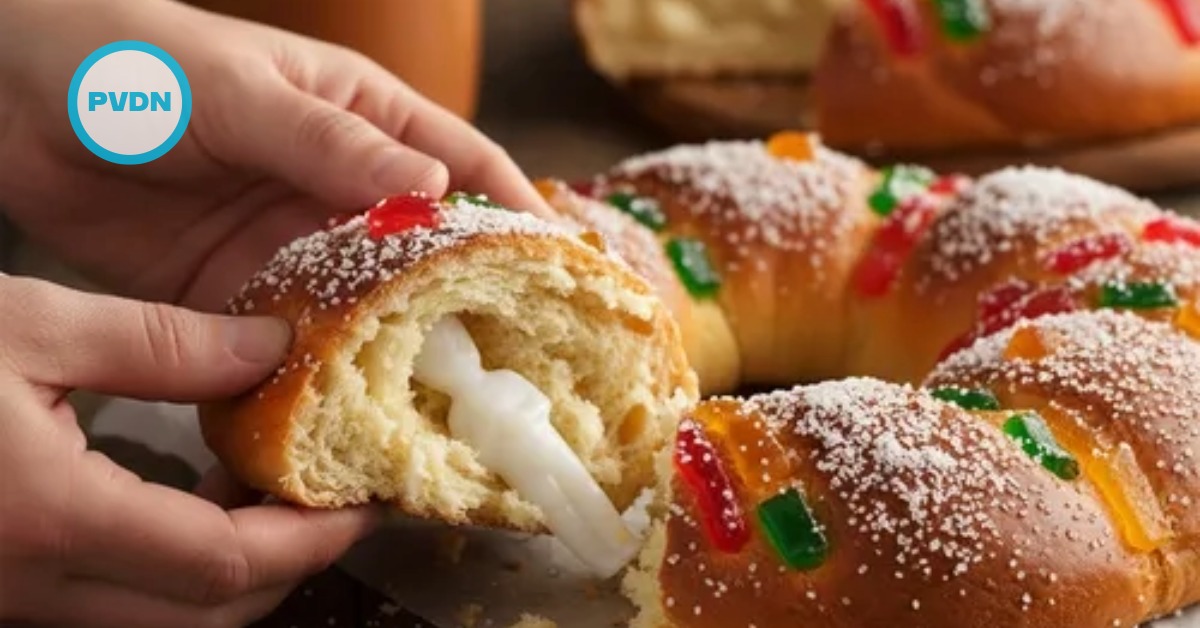
Find the baby in the rosca and you “pay” later on Candelaria Day by bringing tamales for everyone at the follow-up gathering.
You think you’re just cutting bread, taking photos, and hunting the tiny baby. Then you bite into the figurine, and suddenly everyone smiles the same smile. In Mexico, that little doll is a social contract. It ties January 6 to a second gathering weeks later, with steam, salsa, and someone quietly footing the bill. Why tamales, why that date, and why does the “debt” feel so non-negotiable? The answer sits at the crossroads of faith, corn, and community pressure.
Rosca baby tamales and the deal you didn’t know you made
The rosca feels like a simple ritual until the moment it isn’t. Somebody brings the bread, somebody pours the chocolate, and everyone leans in for the cut. Then the tiny baby figurine shows up in someone’s slice and the room reacts like a referee blew a whistle. Laughs, teasing, mock condolences. It’s playful, but it’s also real.
In many Mexican families and friend groups, finding the baby means you’ve agreed to host or provide the tamales for the next gathering. People call it “paying,” but it doesn’t feel like a fine. It feels like a promise you’re expected to keep, because everyone else is keeping theirs too. The rosca isn’t just dessert. It’s a bridge between two dates on the calendar, and the person who finds the baby becomes the anchor for what comes next.
Why the baby is hidden in the first place
The figurine isn’t random. It represents the Niño Jesús, and the hiding has religious symbolism tied to protecting the child. That story gives the game its emotional weight. You aren’t just “unlucky.” You’re chosen, in a lighthearted way, to take on a small role in the continuing celebration.
Over time, Mexico folded this symbol into something bigger than religion alone. The rosca became a shared moment that mixes family, coworkers, neighbors, and friends. In a country where many traditions live through the table, the baby figurine functions like a tiny handshake. It turns a casual get-together into a continuing relationship, with a next chapter already scheduled.
Why the payback lands on February 2
The follow-up date is not arbitrary. February 2 is Día de la Candelaria, which sits forty days after Christmas. In Catholic tradition, it marks the Presentation of Jesus and the purification rite associated with Mary. It’s also tied to candles and blessings, which is why you’ll see people bringing candles to church and, in many homes, dressing a Niño Dios figure and taking it out for the day.
This is where the rosca tradition snaps into place. January 6, Día de Reyes, opens the ritual. February 2 closes it. The baby in the bread becomes a cue that you’ll help carry the celebration forward, from the sweetness of the rosca to the warmth of a shared meal weeks later. Even people who aren’t religious often keep the custom because it’s woven into the social calendar. It’s how January turns into February without losing the thread.
Why tamales are the currency
Tamales make sense on multiple levels, which is why the tradition stuck. First, they are communal food by nature. Tamales come wrapped, stacked, passed around, and eaten with conversation. They scale from a small family breakfast to an office party without changing their meaning.
Second, tamales sit at the heart of Mexican identity through corn. Long before modern Mexico, maize carried spiritual and daily importance. The tamal isn’t just “something filling.” It’s corn transformed into comfort, celebration, and offering. When Día de la Candelaria took root in Mexico, the foods people brought to the table carried older agricultural rhythms with them. The result is a classic Mexican pattern: old and new living in the same kitchen, without anyone needing to announce it.
Third, tamales are practical. They’re easy to buy from a neighborhood tamalera, a market stand, or a bakery that also runs a steamer in the back. They’re also easy to make if your family has a recipe and an army of helpers. Either way, tamales communicate effort. They say you showed up for your people.
What this means for expats living in Mexico
If you’re new to Mexico, the rosca baby moment can feel like a trap set with a smile. It isn’t a trap, but it is a test of whether you understand how social obligations work here. People rarely mean it harshly. Still, they will remember if you ignore it.
The good news is that nobody expects you to suffer. They expect you to participate. If you find the baby and you’re panicking, treat it like you just got assigned the next round at the bar. Ask when the Candelaria get-together is happening and what people usually bring alongside the tamales. Sometimes it’s tamales plus atole. Sometimes it’s tamales and a few bottles of something cold. The details change by region and by group, but the principle stays the same: you bring the heart of the meal.
Also, don’t overthink perfection. In many circles, buying good tamales from a trusted spot is completely acceptable. What matters is keeping the chain unbroken. You’re not being judged on culinary talent. You’re being read for willingness to join the rhythm of the place you now call home.
The real reason the tradition survives
This custom persists because it solves a problem people don’t always say out loud. After the holidays, life speeds up and everyone scatters. The rosca creates a reason to reunite. It gives January a spark and February a destination. The baby figurine is the tiny mechanism that makes it work, because it assigns responsibility in a way that feels fun instead of forced.
So when someone tells you, “Te tocaron los tamales,” they’re not just teasing you about spending money. They’re inviting you into a very Mexican kind of continuity. You shared the bread. Now you share the next table.