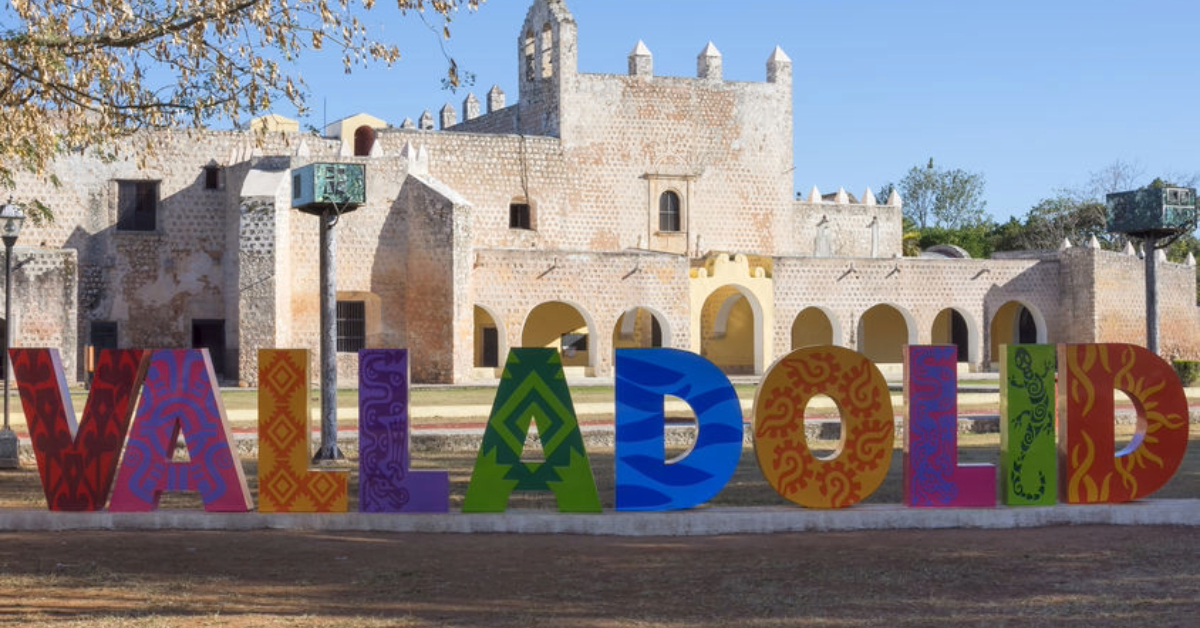
Valladolid News – The Yucatán tourism routes project advances as the Tourism Development Secretariat (Sefotur) prepares a second package centered in Valladolid. The initiative aims to diversify the state’s tourism offering beyond Mérida. This phase will integrate eastern municipalities through community-based, archaeological and gastronomic experiences.
Darío Flota Ocampo leads Sefotur and said the new phase reflects local interest in the Magical Towns promotion. He noted that the first seven routes drew strong visitor feedback and spurred municipalities to request inclusion. Those initial circuits spotlighted colonial plazas, artisan markets and boutique cenotes, giving smaller towns a moment in the spotlight. Local leaders proposed activities to enrich each route, and Sefotur moved quickly to weave them into the plan.
Yucatán tourism routes link eastern towns to visitors
Under the new phase, the routes will connect Valladolid with visitors from Quintana Roo. The plan will ease access to coastal shores, hidden cenotes and lesser-known archaeological sites. Companies such as ADO have already committed to shaping transport circuits that shuttle travelers between destinations. Sefotur will coordinate schedules and ticketing to create smooth intercity links.
Pueblo Mágico committees and municipal tourism advisory councils will guide each route’s design. These citizen‑led groups will ensure tourism respects local culture and drives community benefit. Each route will draw on unique local strengths. One will showcase natural landscapes. Another will focus on archaeological exploration. A third will bring travelers into home kitchens and family‑run eateries to sample regional flavors.
Flota Ocampo said decentralizing tourism remains a key goal. The strategy aims to spread benefits beyond Mérida and boost service providers in smaller communities. It will foster more equitable growth and reduce development gaps across the state. By placing travel dollars directly with local guides, artisans and hoteliers, Sefotur hopes to build a more sustainable model of tourism.
Sefotur will work closely with transport, hospitality and tour operators to guarantee seamless visitor experiences. The agency plans marketing in Quintana Roo and Mexico City and will partner with travel platforms to promote the circuits. Local guides will receive training to welcome multilingual groups and share stories that reflect each town’s heritage.
Sustainability lies at the heart of the project
Routes will include low-impact activities that use existing community resources. Sefotur will monitor environmental indicators to protect cenotes and archaeological zones. The project aims to model responsible tourism and inspire other regions to follow the same path.
He noted the current vacation season got off to a slow start due to mismatched school holiday dates across states. That mismatch kept visitor flows modest in early July. He expects attendance to pick up in late July and early August, especially at beaches and archaeological parks. Early booking trends already show rising interest in the new itineraries.
Chichén Itzá remains the state’s most visited site. Izamal and Sisal draw steady crowds for their colonial charm and coastal views. The new routes will help divert travelers to less crowded areas. They promise fresher experiences in towns that often lie off the beaten path, extending stays and deepening regional exploration.
Flota Ocampo hinted at a third phase on the horizon. He said Sefotur is reviewing proposals from additional municipalities. It may extend the program to western and southern corners of the state. For now, the expanded Yucatán tourism routes signal a major step toward new growth. They position Yucatán as a comprehensive, diverse and culturally rich destination in southern Mexico.
Yucatán, Valladolid, tourism, Magical Towns, Sefotur