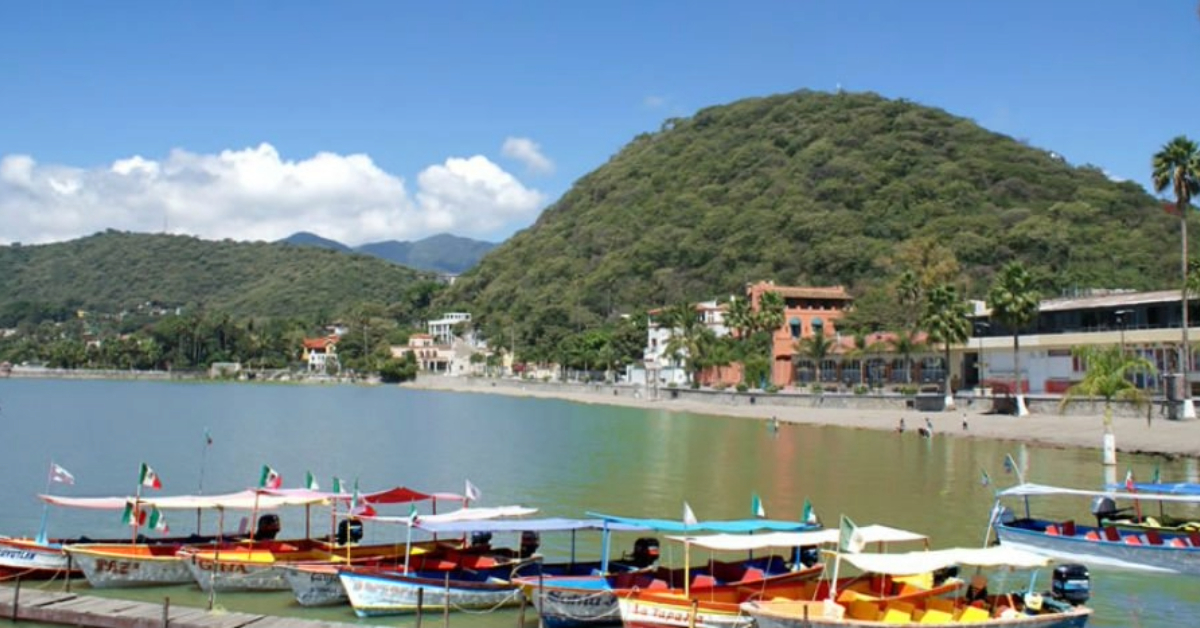
The Lake Chapala area closed the week of April 19 to 25 with several stories moving at once. Ajijic’s underground cable project, local transportation complaints, tourism planning, lake levels, sports events, and cultural programming all shaped the week.
For residents, the main theme was practical. The area is preparing for more visitors while also dealing with daily concerns, including traffic, bus fares, parking, public works, and water levels. For foreign residents, many of these updates affect the routines that make lakeside life work: getting around, hosting guests, using local services, and planning around events.
The week also showed how Chapala and Ajijic are being treated as more than weekend destinations. Local and state officials are positioning the area for tourism, culture, and better mobility. That brings investment and visibility, but also disruption and pressure on public services.
Ajijic cable work moves forward despite tourism pressure
One of the biggest local stories was confirmation that Ajijic’s underground cable work will not be halted due to expected World Cup-related tourism. The project covers 23 blocks in the town center and is planned in stages to minimize impacts on businesses, residents, and visitors.
The work is expected to begin at the end of April. Officials said crews will move in short sections, roughly two streets at a time. The full project covers about 1.5 kilometers and is expected to take around six months.
The project is reported to carry an investment of 30 million pesos. It involves the Federal Electricity Commission, the Jalisco state government, and the Chapala municipal government. The goal is to move overhead wiring underground in the historic center, where cables have long affected the look of streets, façades, and public spaces.
For Ajijic, this is both an urban improvement project and a tourism management issue. The town depends heavily on foot traffic, restaurants, galleries, and visitor spending. Work in the center could affect access, parking, and sales if the schedule is not handled carefully.
Officials said they will maintain open communication with tourism businesses as work progresses. That will matter as Ajijic tries to remain functional during construction and as the region prepares for more travel connected to Guadalajara’s role in the 2026 World Cup.
Transportation remains a pressure point
Mobility was another major issue this week. Complaints over public transportation fares and service quality continued after fare increases on local routes around the Ribera.
Riders have objected to higher fares and cited crowded units, poor conditions, and irregular service. The issue affects Chapala, Ajijic, Jocotepec, and nearby communities because many residents rely on buses for daily errands, work, school, and medical appointments.
The Chapala mayor has said transportation regulation belongs mainly to state and federal authorities. Even so, the municipality is looking at alternatives. One idea now under discussion is a public bicycle or electric bicycle system, similar to programs used in the Guadalajara metro area.
The proposal is still early. It comes from wider conversations about climate, tourism growth, and the need for better local mobility. It also reflects a simple reality: short trips along the lakeside can be difficult without a car, and parking is often limited in the most visited areas.
For expats and retirees, the transit debate is not only about fares. It affects domestic workers, caregivers, service employees, and small businesses. When transportation becomes more expensive or unreliable, the whole local economy feels it.
Road and highway plans point to bigger changes
At the regional level, the planned expansion of the Chapala highway also moved back into focus. Jalisco officials confirmed that the second stage of work from the Guadalajara airport toward Ixtlahuacán de los Membrillos is expected to begin in September 2026.
The project is tied to a 5-billion-peso investment involving the Jalisco government and the federal infrastructure fund. Officials say the next steps include depositing funds into a trust and moving into a national public bidding process.
This road is important for Lake Chapala residents because it is one of the main links between the lakeside area, Guadalajara, and the airport. Any improvement could help reduce travel times and improve safety in the long term. During construction, however, residents should expect possible delays and changing traffic patterns.
The September timeline means the project will not solve immediate mobility issues this spring or summer. It does, however, signal that the state sees the corridor as a strategic route.
Lake level remains stable but lower than earlier this month
The level of Lake Chapala remained a point of attention during the dry season. As of April 23, the lake was reported at 66.940 percent of capacity. That was below the 68.91 percent level reported earlier in the month, but still stronger than recent critical periods.
This matters because the lake is both a regional symbol and a practical water source. It supports tourism, recreation, fishing, local identity, and the Ribera’s overall image. Higher levels also helped drive visitor interest during the Easter vacation period.
Earlier reports from April said more than 100,000 people visited Chapala during the Semana Santa and Pascua vacation period. That was described as a sharp increase over last year. The improved lake level was cited as one reason visitors returned to the area.
For residents, the key issue now is whether the lake can hold up through the hottest part of the year before the rainy season gains strength. The level is not at an emergency point, but the recent drop shows why the lake remains a weekly concern.
Sports gave Chapala and the Ribera national visibility
Sports also drew attention to the region this week. Chapala athletes made news in the Olimpiada Nacional CONADE 2026, with Tadeo Rayo Gama winning gold in team pursuit cycling and Eloy Barragán earning silver in U17 sport climbing.
The wins added to the region’s sports profile and gave Chapala a positive storyline beyond tourism and infrastructure. Local athletes are also continuing in other disciplines, including basketball, and additional competitions are scheduled through April and May.
Nearby Jocotepec also became part of the national sports calendar. From April 24 to 26, it hosted cycling competitions for the Olimpiada Nacional on the Libramiento de Jocotepec. The route closure ran from early morning to late afternoon during the event period.
The cycling event brought athletes from across Mexico and placed the Ribera in a national competition setting. It also created short-term mobility impacts for drivers, businesses, and residents using that corridor.
Culture and tourism calendar stays active
The coming week will keep the local events calendar active. Chapala is preparing for the third edition of La Fiesta al Estilo Jalisco es en Chapala, a large dance event scheduled for Sunday, April 26.
The event is expected to include more than 100 dance groups and about 2,000 dancers from Jalisco and other states. Activities are planned at several public points, including the main plaza and malecón, followed by a parade and a large collective dance presentation.
Ajijic also has a tourism story to tell. The town reached the final stage of the Premios Mágicos por Excelencia 2026 in the wine category. The result is expected during the Tianguis Turístico in Acapulco, scheduled from April 27 to 30.
The nomination is connected to Ajijic’s Festival Café, Chocolate y Vino. It reinforces how the town is using food, drink, culture, and Pueblo Mágico branding to compete for visitors’ attention.
Health officials activate animal protocol in Chapala
The week also brought a more practical alert. Jalisco rural development authorities confirmed an active screwworm case in Chapala, triggering animal health protocols.
The case was handled through state agricultural health officials. Measures included defining focal and surrounding areas for monitoring, inspections, and wound care in animals.
Screwworm affects livestock when fly larvae feed on living tissue, usually through wounds. Authorities urged animal owners to watch for injuries and report possible cases. The alert is mainly an agricultural and animal health issue, but it can matter for rural properties, ranches, and pet owners near livestock areas.
What to watch next week
The next week will be busy for Lake Chapala and Ajijic. Residents should watch for the start of Ajijic’s underground cable work, especially in the center of town. Any street closures, parking changes, or business access issues could affect daily movement.
The transit issue is likely to continue as well. Fare complaints remain unresolved, and the public bike proposal is still only an idea. More details could emerge if municipal officials meet with state authorities.
Cultural events will also bring more foot traffic. The Chapala dance festival on April 26, children’s cultural programming beginning April 30, and the spiritual film festival opening April 30 should keep the Ribera active into early May.
Ajijic’s national tourism award result is another item to watch. A win, or even a strong placement, could help the town market itself ahead of the summer travel season.