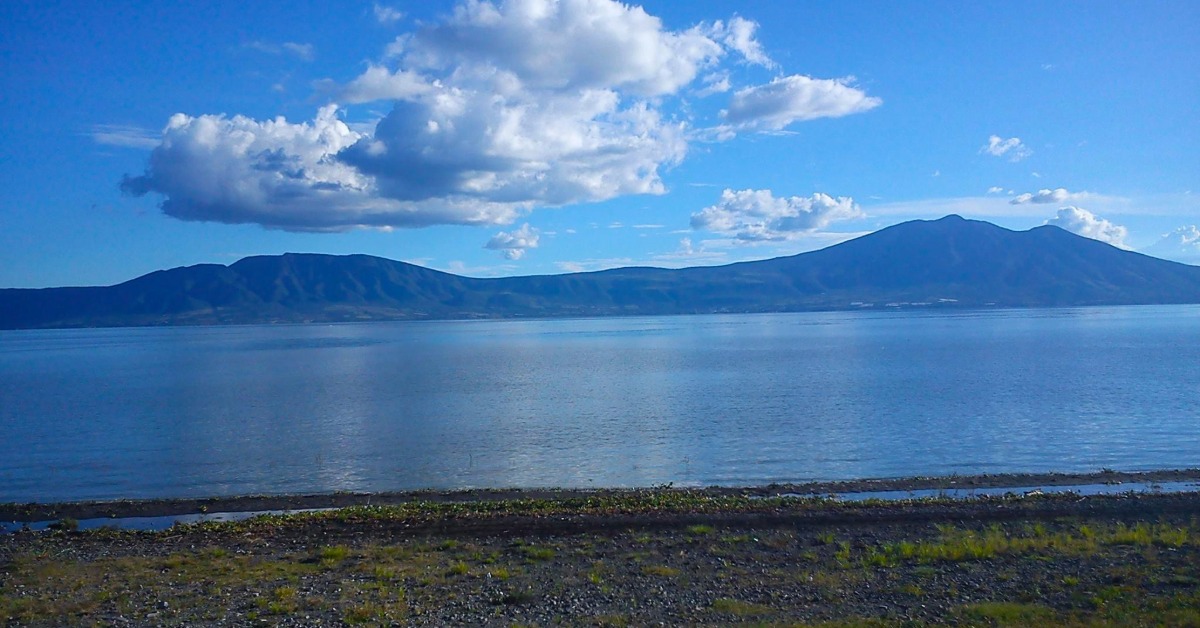
Lake Chapala is more than a scenic backdrop for Ajijic, Chapala, and lakeside towns. A new academic effort is framing the lake as a living cultural landscape shaped by fishing, migration, memory, water use, and local identity. On May 27, ITESO’s LABTER project will hold a seminar on that broader value while academics pursue a place for the shoreline on the World Monuments Watch 2027 list.
Lake Chapala conservation effort seeks global recognition
A conservation and heritage effort centered on Lake Chapala is moving into a new phase this month, as academics prepare a public seminar on the lake’s cultural, historical, and social value.
The second session of ITESO’s Seminario Nacional LABTER is scheduled for May 27. It will focus on Lake Chapala as a cultural landscape, not only as a body of water or a tourist destination.
The session is part of the work of ITESO’s Laboratory of Territory, Heritage and Landscape, known as LABTER. The project studies the lake and its shoreline through the lens of water, community, history, memory, and land-use issues.
The seminar comes as ITESO academics lead a bid to include the Lake Chapala shoreline in the World Monuments Watch 2027 list. The list is organized by the World Monuments Fund and highlights heritage sites facing pressure worldwide.
Selection is not guaranteed. The 2027 list is expected to be announced in early 2027. If Lake Chapala is chosen, the designation could bring international attention, technical support, and a broader preservation network.
A seminar about memory, identity and the lake
The May 27 session will be held from 10 a.m. to 1 p.m. at ITESO’s Dr. Jorge Villalobos Padilla, SJ Library in Tlaquepaque. The event is also listed as having a virtual component.
The session will examine how Lake Chapala has been lived, described, and understood by different communities over time. That includes the stories of fishing families, lakeside towns, local historians, artists, visitors, and residents who have shaped the lake’s public image.
The program frames Chapala as a place built through practices, memories, narratives, and collective interpretations. That wording is important because it moves the conversation beyond water levels alone.
For many people living around the lake, Chapala is not just scenery. It is tied to work, food, family life, religious traditions, weekend visits, retirement communities, local commerce, and regional identity.
The invited participants include historian Álvaro Ochoa Serrano of El Colegio de Michoacán and cultural chronicler Juan José Doñán of the University of Guadalajara. Their role is to help connect the lake’s history with present-day questions about heritage and territory.
What the World Monuments Watch bid means
The World Monuments Watch is a biennial program that selects 25 sites from nominations submitted around the world. The program examines places of cultural value facing urgent pressures.
Those pressures can include climate change, natural disasters, conflict, tourism, underrepresentation, poor planning or loss of community stewardship.
For Lake Chapala, the argument is not only environmental. The nomination frames the shoreline as a biocultural landscape, meaning a place where nature and human life have shaped each other over time.
That approach matters for a lake like Chapala. Its problems are not limited to one town, one agency or one use. The lake is shared by communities in Jalisco and Michoacán. It is also tied to the wider Lerma-Chapala basin.
A successful nomination could help bring visibility to local preservation work. It could also support advocacy, fundraising, and technical planning.
Still, World Monuments Watch recognition would not solve the lake’s problems by itself. It would not replace water regulation, pollution control, or municipal coordination. It would work more as a platform for stronger public attention and better-organized conservation efforts.
Why Lake Chapala carries unusual weight
Lake Chapala is Mexico’s largest lake. Jalisco’s State Water Commission lists its surface area at 114,659 hectares, with most of the lake in Jalisco and the rest in Michoacán.
The lake is also a major water source for the Guadalajara metropolitan area. State water authorities describe it as the main drinking-water source for the Guadalajara urban region.
That gives Chapala a practical importance far beyond the lakeside communities. Decisions made around the lake can affect local residents, farmers, fishers, businesses, and one of Mexico’s largest urban areas.
Chapala also has international environmental recognition. It was designated a Ramsar wetland of international importance in 2009. Ramsar status recognizes wetlands with ecological value, including those that provide habitat for birds and other species.
At the same time, the lake has faced long-term pressure from pollution, overuse, fluctuating water levels, and shoreline land-use conflicts.
Those concerns are familiar to many people who live in Ajijic, Chapala, Jocotepec, and nearby towns. They appear in daily life through lake levels, shoreline construction, water quality, tourism growth, and debates over public access.
A shared lake across many jurisdictions
One challenge for Lake Chapala is that no single municipality controls the full picture.
The lakeshore touches eight municipalities in Jalisco and three in Michoacán. That makes coordination difficult, especially when each government has its own budget, priorities, and political pressures.
ITESO’s proposal has emphasized the need for a shared territorial identity across the lakeshore. In simple terms, the lake functions as a single living system, even though it is divided by administrative boundaries.
That is also why academics have proposed a Lake Chapala Day as part of the larger World Monuments Watch strategy. The idea is to create an annual civic and cultural event involving the lakeside municipalities.
The proposed date is the third Sunday of October. The concept would bring together fishers, artists, cooks, musicians, local officials, and residents in a shared event around the lake.
The proposal also includes environmental rules, such as avoiding fireworks and single-use plastics. That detail reflects the larger goal of linking celebration with stewardship.
A local story with global framing
For international residents, the project offers a useful reminder about the place many now call home.
Lake Chapala is often described in terms of climate, lifestyle, and retirement. Those are part of the area’s modern identity, but they do not tell the full story.
The lake has older layers. It has fishing traditions, Indigenous and regional histories, religious practices, old transport routes, tourism memories, and long-standing ties to Guadalajara.
The LABTER seminar is part of an effort to bring those layers into public planning. The message is that conservation should include people, memory, and culture, not only water data and regulations.
That approach may also help widen support. Residents who do not follow environmental policy closely may still connect with Chapala through food, music, family history, walking the malecón, birdwatching, or seeing the lake from Ajijic at sunset.
When heritage is described in human terms, it can become easier for communities to defend it.
What comes next
The May 27 seminar will add cultural and historical context to a conservation effort already moving through international channels.
The next major milestone will come in early 2027, when the World Monuments Fund announces the selected sites for the 2027 Watch list.
If Lake Chapala is selected, the region could gain a new global platform for preservation, public engagement, and fundraising. If it is not selected, the nomination process may still leave something useful behind: a stronger case for treating the lake as a shared territory.