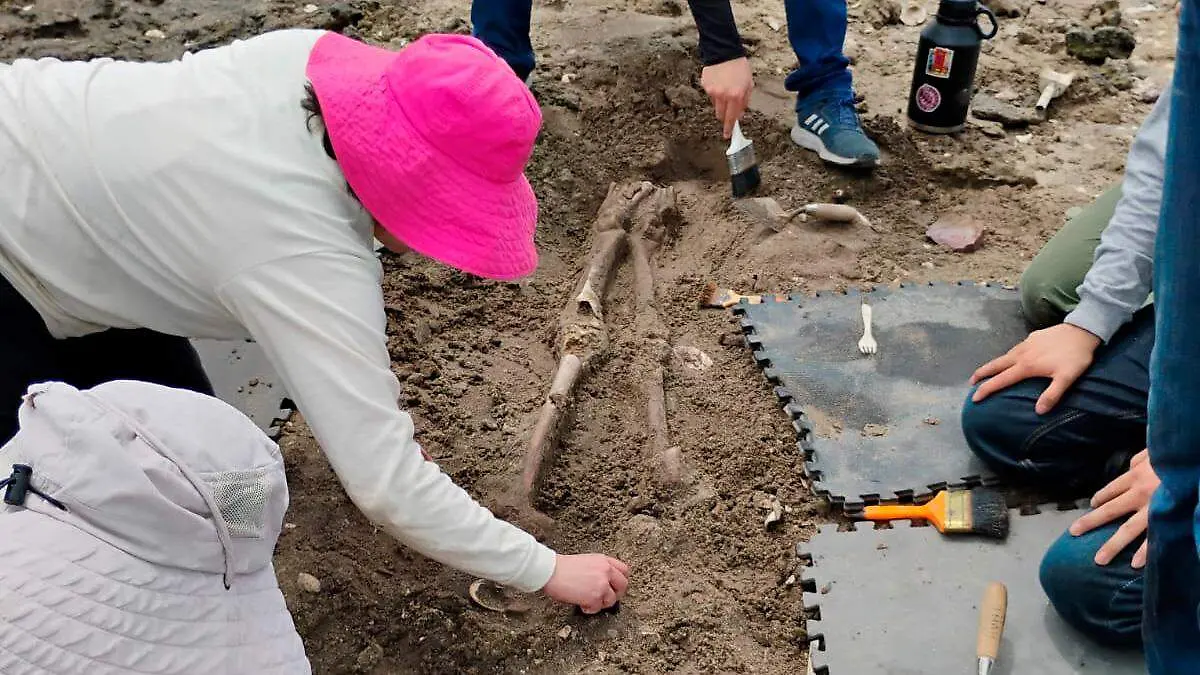
Human remains found in La Paz, Baja California Sur, have been identified as part of a pre-Hispanic burial, according to specialists from Mexico’s National Institute of Anthropology and History.
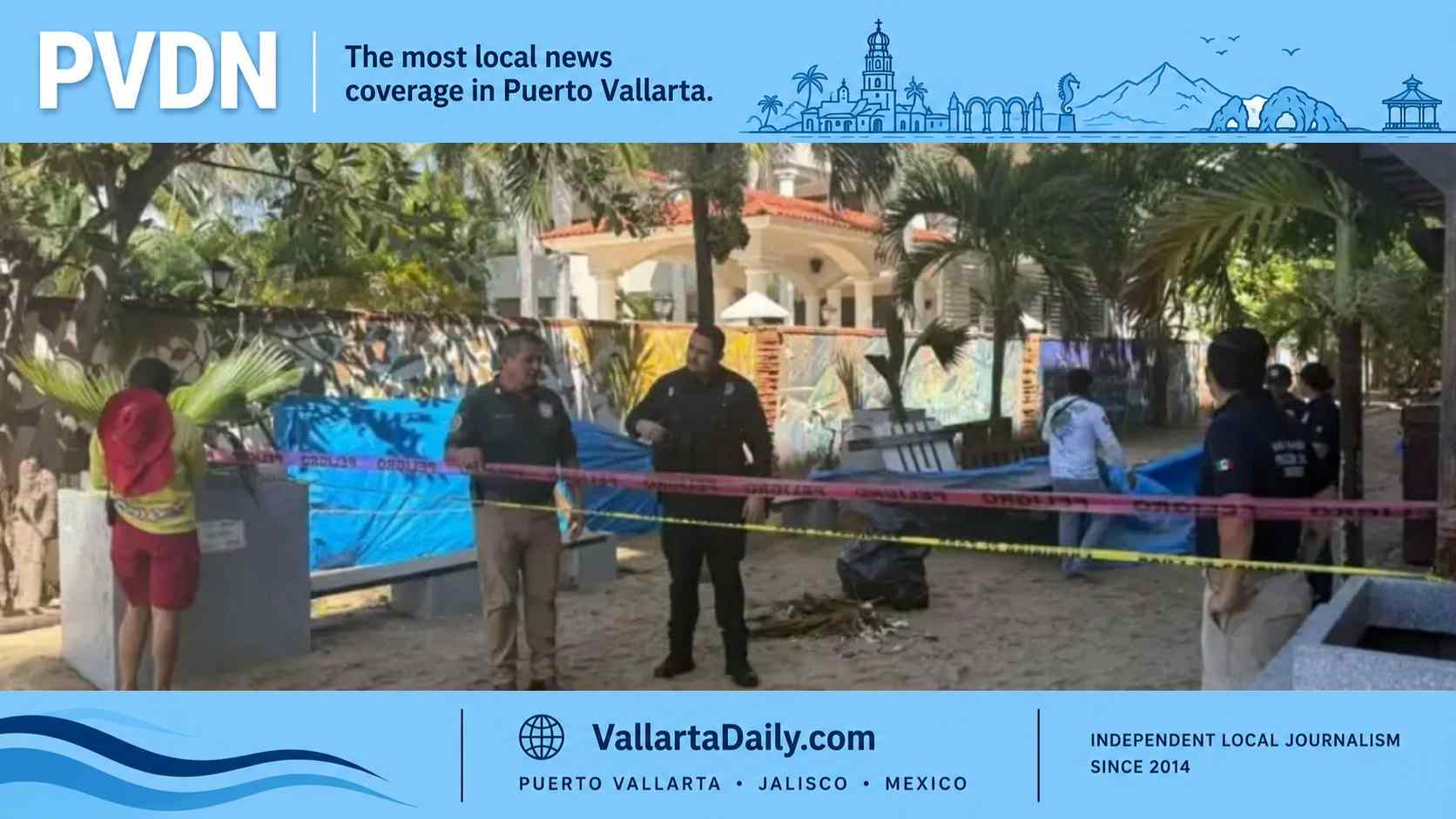
The discovery was first reported after authorities received notice of skeletal remains in the La Posada neighborhood of La Paz. Because of the nature of the report, the case initially involved the state’s specialized office for the investigation of forced disappearances.
After the first review, specialists determined the remains did not correspond to a recent missing-persons case. The evidence instead pointed to an archaeological context connected to the coastal area known as El Conchalito.
The finding included the burial of one individual, along with lithic materials and malacological materials. In simpler terms, those are stone objects and shell-related materials often associated with ancient coastal settlements.
The remains were transferred for cleaning, conservation, and further analysis. Specialists are expected to study the bones for details such as age, sex, health conditions, diet, and the possible cause of death.
Why the First Report Triggered a Different Response
The discovery began as a report of human remains, which in Mexico requires careful handling. In a country with a large number of missing-persons cases, authorities must first consider whether the remains could be recent.
That is why the involvement of disappearance investigators was significant. Their role was not unusual. It reflected a standard concern: determining whether the remains belonged to a modern crime scene or to an archaeological site.
INAH specialists then examined the context. Archaeologists and a physical anthropologist reviewed the remains, their condition, their position, and the materials found around them.
Those details led specialists to classify the discovery as pre-Hispanic rather than recent. That distinction changed the case entirely. It moved from a possible criminal investigation into the field of heritage protection and scientific study.
For residents and visitors, the case also shows why it is important not to move or collect bones, pottery, shells, or stone tools found near old sites. The location and position of objects can be as important as the objects themselves.
What Is El Conchalito?
El Conchalito is an archaeological area in La Paz with a long record of human activity. It is not a monumental site with pyramids or stone temples. It is a coastal site shaped by daily life, fishing, gathering, burial practices, and movement along the shore.
That matters because many people imagine archaeology in Mexico only through places such as Teotihuacán, Chichén Itzá, or Palenque. Baja California Sur tells a different story.
The peninsula’s ancient peoples often lived in smaller, mobile groups. They used coastal resources, moved through harsh landscapes, and left behind traces in shell deposits, stone tools, campsites, burials, and cave art.
El Conchalito is linked to ancient occupation over broad periods. Specialists have described activity there across two major eras, one beginning around 2300 B.C. and another extending from about 1200 B.C. into the colonial period.
The site has been associated with the Guaycura and Pericú peoples, groups that inhabited parts of the Baja California peninsula before and during the Spanish colonial period.
A Window Into Baja California Sur’s Ancient Peoples
The discovery is important because each burial can add to the understanding of people whose histories were disrupted by colonization, disease, missionization, and cultural loss.
Written records from the colonial period often describe Indigenous groups from outsiders’ perspectives. Archaeology can help fill gaps by studying diet, movement, health, burial customs, and daily survival.
The materials found with the remains may help researchers understand how the individual lived and how the burial fits within known practices at El Conchalito. Shell materials can point to marine resources, tools, ornaments, or ritual uses. Stone materials can show how people worked, hunted, processed food or made objects.
The exact age of this specific burial still requires scientific study. The site itself has a deep history, but the individual remains need proper laboratory work before specialists can draw firmer conclusions.
That distinction is important. The discovery is clearly pre-Hispanic, but its precise date and cultural interpretation will emerge from ongoing analysis.
Why This Matters Beyond La Paz
For foreign residents in Mexico, this case is also a reminder that the country’s heritage is not limited to museum displays or famous ruins.
Archaeological material can exist under roads, near beaches, beside construction zones or in neighborhoods that appear modern. In coastal cities such as La Paz, development often sits on land that has been used for thousands of years.
This creates a practical challenge. Urban growth can expose remains by accident. Heavy machinery, erosion, storms, and informal collecting can damage archaeological contexts before specialists arrive.
Mexico’s federal heritage laws protect archaeological remains and sites. That protection applies even when objects are found on private or urban land. Removing or damaging archaeological material can carry legal consequences.
The safest step is simple. If someone finds bones or possible archaeological objects, they should not move them. They should report the finding to local authorities or INAH so specialists can determine the proper response.
A Discovery With Scientific and Human Weight
The La Paz burial is not only a scientific find. It is also a human one.
The remains belonged to a person who lived in a very different Baja California Sur, long before modern roads, neighborhoods, and ports. Their life was tied to a coastal world that provided food, tools, and routes of movement.
For researchers, the burial may help answer questions about early settlement, diet, health, and funerary customs in the southern peninsula. For the public, it is a reminder that Mexico’s past is often closer than it appears.
The case also shows the value of careful field work. A report that began with concern over a possible recent death became an opportunity to protect evidence from a much older period.
That shift does not reduce the seriousness of the original concern. It shows why proper identification matters. Mexico has both an urgent missing-persons crisis and a deep archaeological record. Each requires a different response, and both require care.
As the remains undergo further study, El Conchalito may offer another piece of Baja California Sur’s long human story.