At first glance, this looks like a local land dispute on the edge of Chalco. It is larger than that. Researchers say Los Tlalteles preserves part of the old lake world that helped shape central Mexico long before the Spanish conquest. Now that the record is being erased by lot sales, dumping, and looting. The fight over the site also points to a wider problem in Mexico, where fast settlement and slow legal processes can outpace heritage protection.
A site is disappearing in plain sight
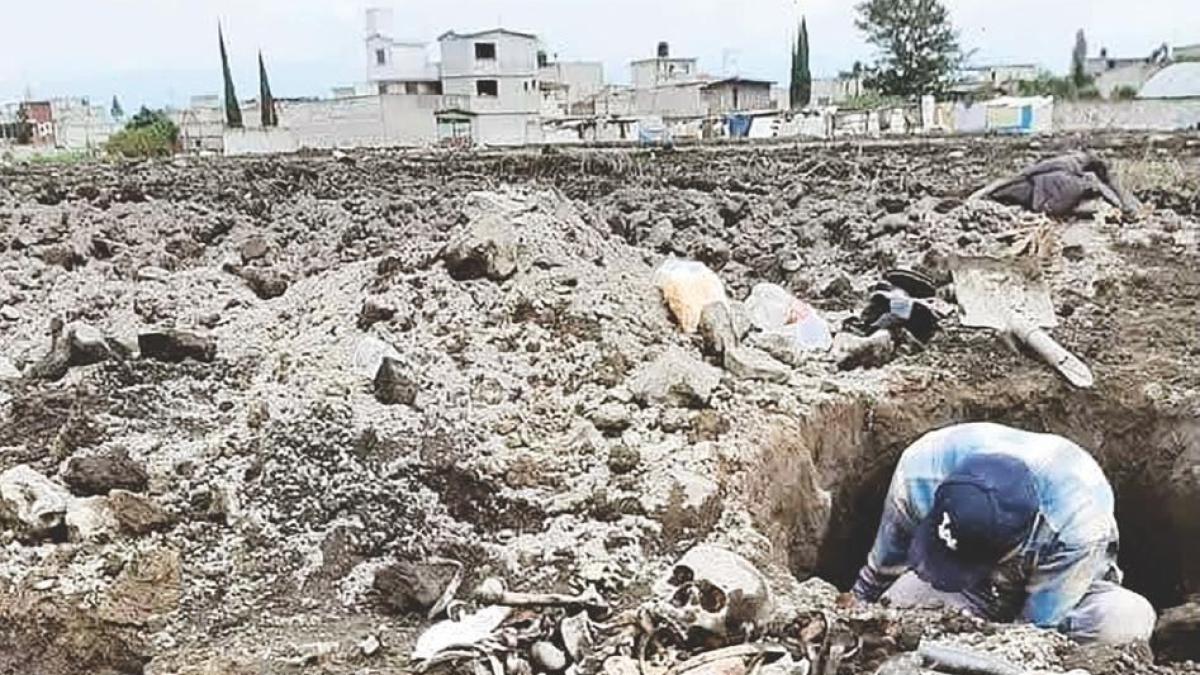
Archaeologists and residents are warning that Los Tlalteles, an archaeological zone in Chalco, State of Mexico, is being destroyed by a mix of land sales, encroachment, dumping, and looting. The concern is not only that visible remains have been damaged. Researchers say the bigger loss may be in the subsoil, where buried evidence can still reveal how people lived, built, and used the old lake landscape for centuries.
The latest warning comes after years of deterioration. Researchers cited in recent reporting say the site once covered more than 200 hectares and that only a small fraction remains now, with a major impact. They also say pieces removed from the area have appeared for sale online and in informal markets. Even where the surface looks altered beyond recognition, specialists argue that excavation and mapping could still recover valuable information if access is secured soon enough.
Why Los Tlalteles matters
For readers outside Mexico, INAH is the federal agency responsible for archaeology and historic heritage. In this case, the damage matters because Los Tlalteles is not just an isolated mound field. Previous documentation has described a broad pre-Hispanic zone with mounds, platforms, canals, burials, offerings, and other remains tied to the old Lake Chalco environment. That makes it important not only for local history but also for understanding how people adapted to wetlands in the Valley of Mexico.
Researchers who have studied the area say the site may help explain early building systems on lake terrain, including practices that later became central to the region’s urban development. That is why the destruction has drawn such concern. When a site like this is looted or broken apart by informal subdivision, the loss is not limited to objects. Archaeology depends on context. Once layers are disturbed and materials are moved, much of the historical record becomes impossible to reconstruct.
Why protection has stalled
One reason the case has dragged on is that the dispute sits at the intersection of archaeology, land tenure, and the courts. According to the material now in public circulation, the site lies on ejido land, a form of communal agrarian property common in Mexico. Legal challenges known as amparos have reportedly blocked specialists from entering parts of the area, leaving files stalled while damage continued on the ground.
That helps explain why the story has become so frustrating for researchers and residents. In practical terms, the question is no longer only whether authorities recognize the site. Public records show that it has been identified for years. The problem is whether officials at different levels can act fast enough to prevent further destruction. In heritage cases, delay can be decisive. A site can be protected on paper and still be lost in real life if enforcement arrives too late.
More than an archaeology dispute
The debate around Los Tlalteles also connects to a broader local argument about water, wetlands, and urban growth. Community groups and some public officials have pushed for a wider biocultural corridor in the Chalco area, linking heritage protection with environmental management. Their case is that the archaeological zone is part of a larger lakebed landscape that still matters for water recharge, flood control, and land-use planning.
That wider context matters because Chalco has already seen the consequences of weak planning. When land is subdivided without services, oversight, or clear protections, the damage does not stop with buried history. It can also worsen pressure on drainage, public works, and already fragile ecosystems. In that sense, Los Tlalteles has become a warning about what happens when archaeological preservation is treated as separate from the surrounding territory.
What happens next
The immediate demand from specialists is simple: regain access, document what remains, and stop further damage. That would allow a clearer survey of surviving areas and help determine where salvage work is still possible. It would also clarify how much of the zone can realistically be protected after years of piecemeal loss.
The longer-term issue is whether authorities treat Los Tlalteles as a local inconvenience or as part of Mexico’s shared historical record. The answer will matter beyond Chalco. Cases like this test how well the country can protect heritage that sits outside fenced tourist zones and inside places under rapid urban pressure. If the current trajectory continues, the loss will not be abstract. It will be permanent.