A new artificial reef proposal in Paamul is seeking funding as coral areas in the Mexican Caribbean face heat and visitor pressure. Coral Park says the model would create a separate underwater site for divers while young corals are cared for and natural reef areas recover. The project’s first year includes lab protection for vulnerable corals during summer, training for local reef guardians, and a planned move of hardier corals to marine nurseries in September.
Artificial reef project seeks to protect Mexican Caribbean corals
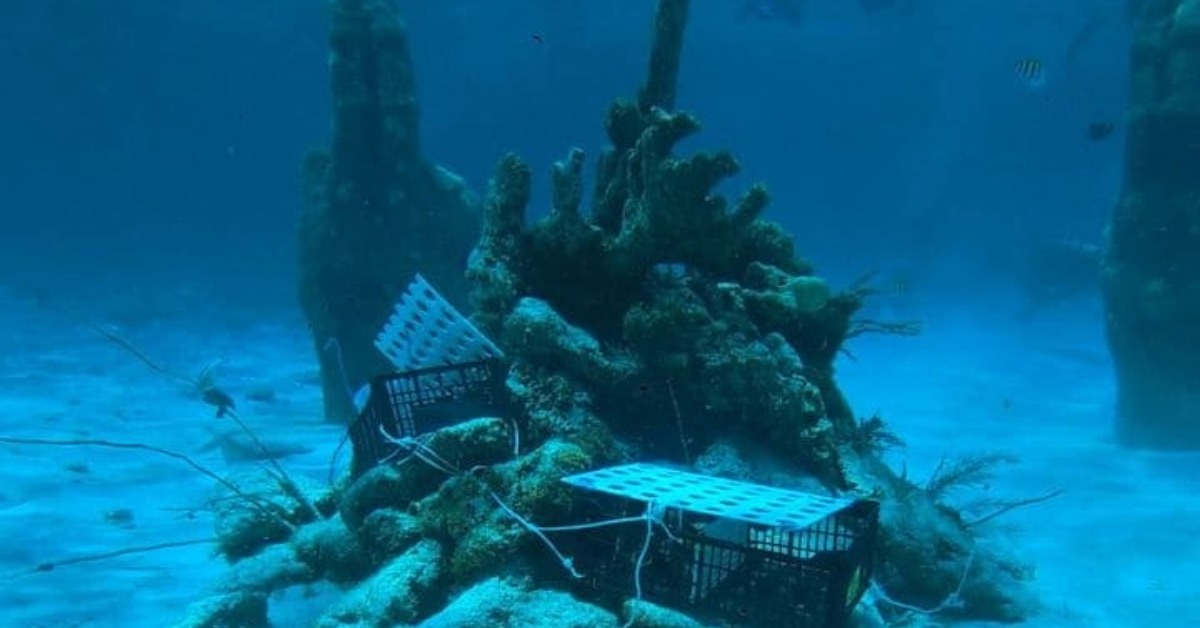
Coral Park is seeking funds for an artificial reef project in Paamul. The goal is to reduce visitor pressure on natural coral areas in the Mexican Caribbean.
The project is being promoted by scientific diver Valentina Müller through Coral Park and Coral Print. Its stated goal is to create an underwater site for divers and snorkelers. Fragile coral areas would have more room to recover.
The initiative is still in its first year. Organizers say they need about 120,000 pesos per month to cover operations, salaries, permits, and the care of young corals.
Project planned for Paamul
Coral Park is based in Paamul, along the Riviera Maya coast. The project has two main parts. One is caring for corals. The other is developing an artistic artificial reef that can receive visitors.
The artificial structure is intended to give marine life a new habitat. It would also create a separate underwater attraction for diving and snorkeling activities.
That point is central to the proposal. Coral Park says nearby reef areas are under pressure from daily tourism. Coral recovery work also needs time and controlled care.
For foreign residents and regular visitors in Quintana Roo, the project touches on two familiar issues. The coast depends heavily on marine tourism. Reefs are also sensitive to heat, storms, disease, and repeated human contact.
Summer care and September timeline
The current plan puts the most vulnerable young corals in laboratory care during the summer. Organizers say that step is meant to protect them during hotter months.
During that period, the project’s local reef guardians are expected to receive training. Work would also continue on the design of the artificial reef structures.
In September, when sea temperatures are expected to ease, the more resistant corals are planned for transfer to marine nurseries. Those nurseries would allow the corals to keep adapting before any later restoration work.
The fundraiser says the first phase includes training 10 Coral Park Guardians. Their work would include planting corals, monitoring nurseries, and guiding visitors through the restoration experience.
Coral pressure in the wider Caribbean
The project comes as Caribbean reefs face wider coral loss. A 2025 regional assessment found that hard coral cover in the Caribbean declined by 48 percent from 1980 to 2024.
The same assessment linked sharp losses in 1998, 2005, and 2023 to bleaching events driven by thermal stress and disease.
That broader trend does not prove that any single artificial reef project will succeed. It does explain why local restoration projects are drawing attention in reef areas such as Quintana Roo.
Coral Park’s model depends on funding, permits, staff training, and the survival of young corals through early stages. Organizers say the first year is the hardest period because operating costs arrive before the project can support itself.
For now, the proposal remains a conservation and tourism project seeking enough support to continue its first phase.