It looked like a mid-summer morning, but the calendar said January. Overnight, sargassum rolled onto Playa Mamitas in Playa del Carmen, catching residents, expats, and visitors off guard. Cleanup crews moved fast, yet the bigger question stayed offshore: why now? Satellite monitoring has been tracking an unusually large sargassum belt stretching across the Atlantic, and shifting winds can turn that distant brown ribbon into a local problem in hours. What happened this week may be an early signal of what’s ahead.
A January landing at Playa Mamitas
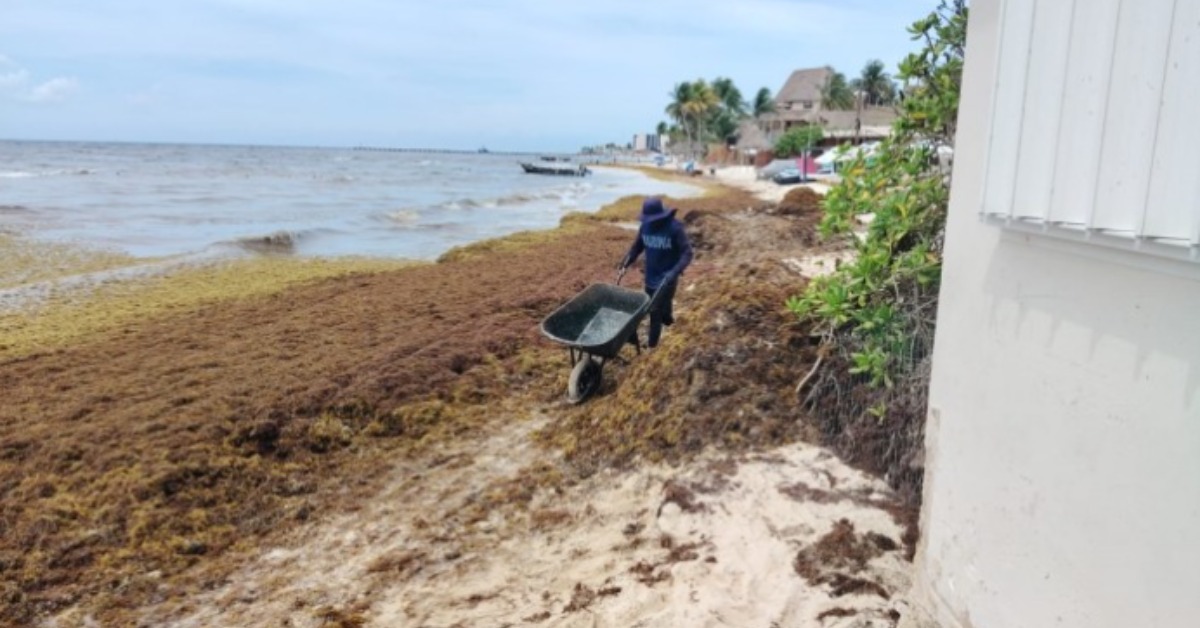
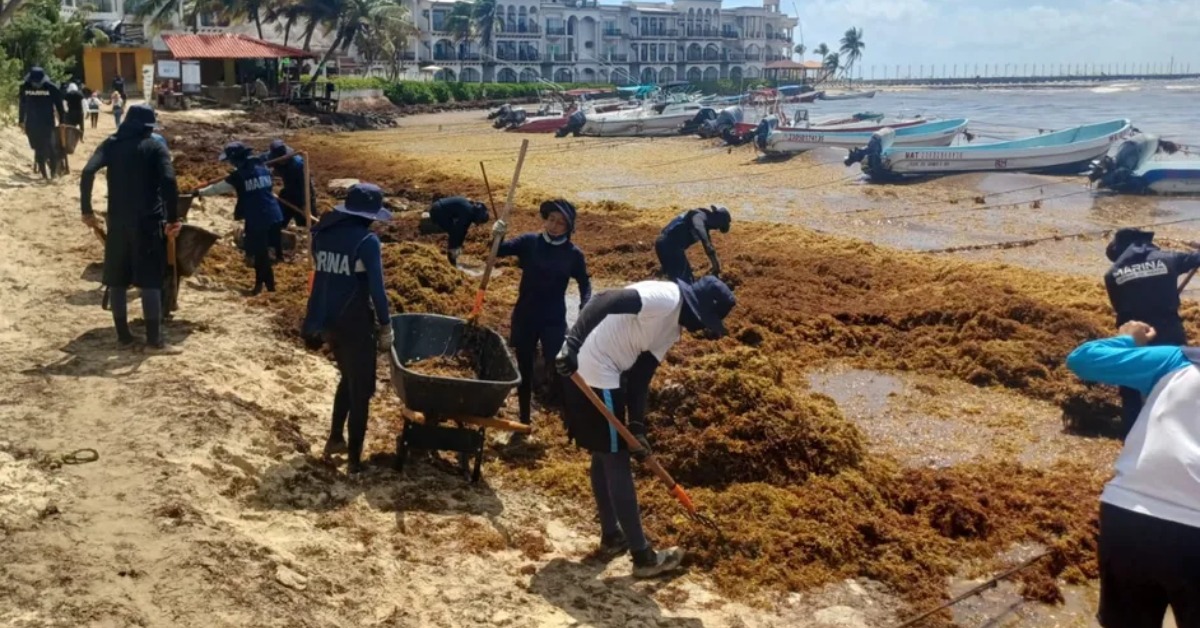
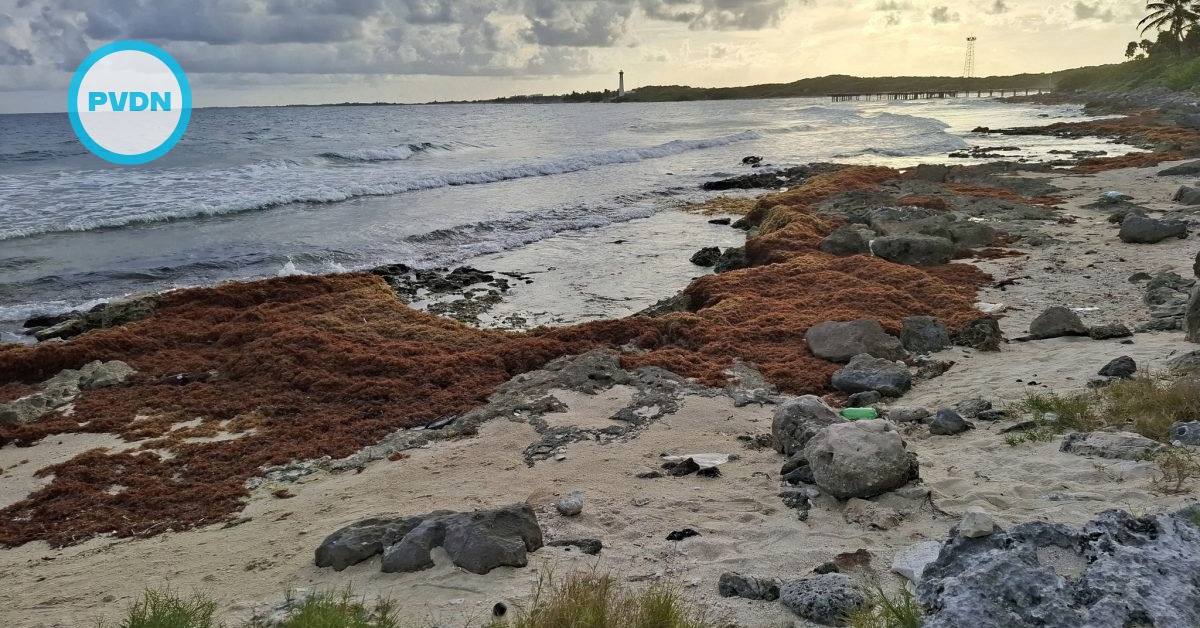
Sargassum is a familiar sight on the Mexican Caribbean, but not usually in the first weeks of the year. That’s what made this beaching stand out in Playa del Carmen, where a thick, sudden arrival hit Playa Mamitas and briefly transformed one of the area’s most popular stretches of sand. The volume was estimated at about 25 tons, an amount more typical of the spring and summer peak than a winter morning.
For many expats who plan their routines around the coastline—sunrise walks, dog outings, weekend swims, visiting friends—sargassum isn’t just an eyesore. It can change how a beach feels and smells, and it can turn a quick dip into a decision. What happened at Mamitas wasn’t a slow buildup. It was fast, concentrated, and timed in a way that felt off-script.
The Atlantic belt behind the surprise
Offshore, the bigger story sits far beyond Quintana Roo. Satellite monitoring has been tracking a vast, brownish sargassum belt spanning wide sections of the Atlantic, from the eastern side of the ocean toward the west. When that mass shifts, the result isn’t a neat, predictable calendar. It’s a moving supply of floating algae that can be steered by currents, surface temperatures, and nutrient conditions that help it grow.
This is why “out of season” doesn’t always mean “out of the question.” Even when the main season typically ramps up later—often closer to April—patches can drift into the Caribbean earlier if ocean and weather patterns line up. Strong winds and changing current direction can push offshore mats toward land quickly, turning what looked like a normal week into a cleanup operation overnight.
Cleanup crews move fast, but the outlook stays uncertain
Local response focused on speed and protection. Workers responsible for maintaining the federal maritime zone were deployed to clear algae while avoiding damage to the coastal dune system, which can be harmed if heavy equipment or repeated scraping disrupts the sand structure. By late afternoon, most of the accumulation had been removed, with officials reporting that roughly 22.5 tons had already been collected by about 5 p.m.
Authorities emphasized that beaches remained generally usable and that the episode did not amount to a large-scale emergency. Still, the timing matters. Early beachings like this tend to raise the same question across the Riviera Maya every year: is this a one-off driven by a short weather event, or the first sign of a heavier season building in the background?
For residents and long-term visitors, the practical takeaway is less about panic and more about pattern recognition. When offshore concentrations are high, conditions onshore can shift fast. A beach that looks clear in the morning can be different by the next day, especially when winds change. Monitoring continues, cleanup plans stay on standby, and the next few weeks will help clarify whether Mamitas was simply unlucky—or early.