Quintana Roo is gearing up for its busiest season yet—more than 2 million visitors are expected this summer—but an unwelcome seaweed surge threatens beaches, health and the local economy. Researchers now forecast a record sargassum belt of 37 million tons heading for the Mexican Caribbean, far surpassing the previous high of 22 million tons recorded in 2018.
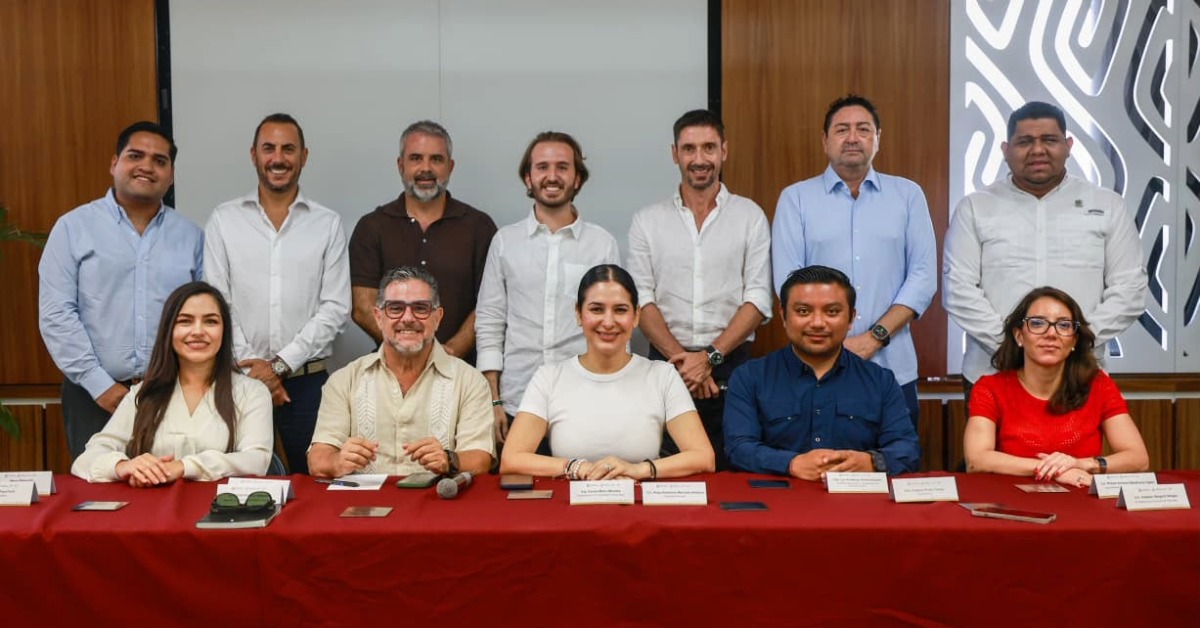
Dr. Norma Muñoz Sevilla, a marine and coastal specialist at the Interdisciplinary Center for Research and Studies on Environment and Development (Ciemad) of the National Polytechnic Institute, warns that sargassum’s path has shifted dramatically. “It used to drift from West Africa across the Atlantic to the Sargasso Sea. Today it forms a corridor from Africa’s west coast all the way to the Gulf of Mexico,” she explained, citing nutrient influx from the Amazon and Orinoco rivers as a key driver.
Record sargassum belt forms marine corridor
A published map by Ciemad lays out the new “sargassum belt,” showing how algae blooms now threaten every stretch of Quintana Roo coastline. While the prediction covers total biomass, real‑time removal figures tell a different story: the Mexican Navy reports 44,000 tons of sargassum extracted so far this season, which runs from March through August.
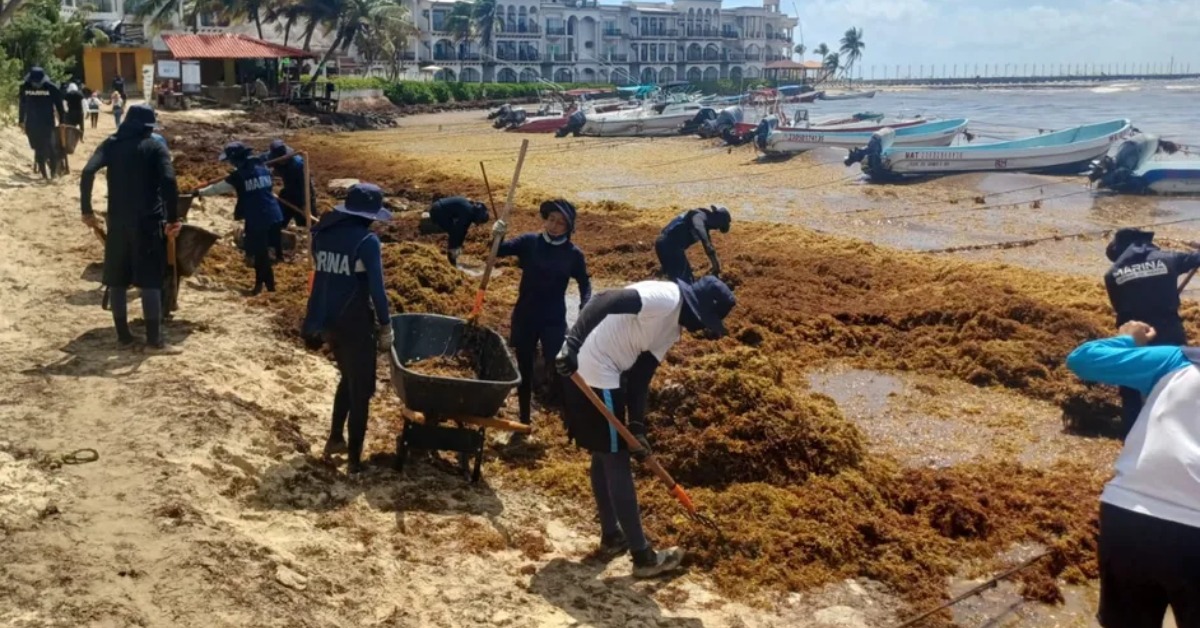
To meet the challenge, the Navy (SEMAR) has deployed teams, ships and heavy machinery across three zones:
- North: Cancún, Isla Mujeres, Puerto Morelos
- Center: Playa del Carmen, Cozumel, Tulum
- South: Mahahual to Xcalak
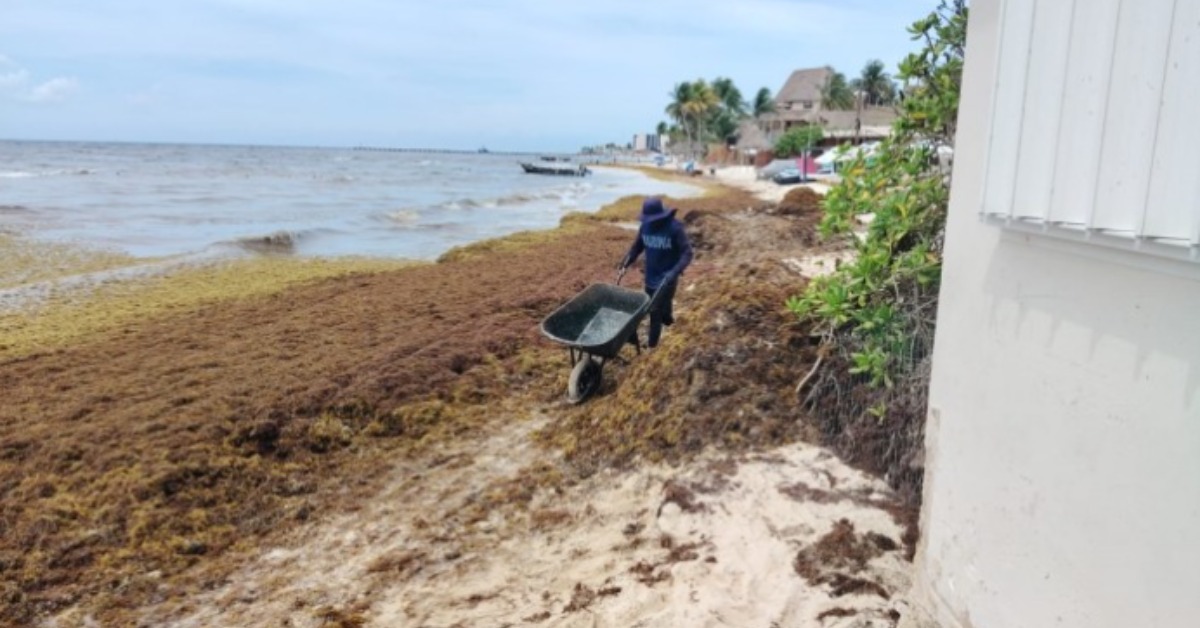
These federal operations work alongside state and municipal crews, private contractors and volunteer groups in daily cleanups. Each morning, tractors and flatbed trucks haul tonnes of seaweed away, while manual crews rake remaining debris to keep hotels and public beaches usable.
Community solutions and best practices
Local leaders say quick adaptation has become essential. In Puerto Morelos, authorities installed a floating barrier that intercepts sargassum before it reaches shore. The so‑called “sargassum curtain” has cut beach landings by over 80 percent, according to municipal reports, and officials hope to replicate it in other coastal towns.
“The barrier gives us breathing room,” said Puerto Morelos’ tourism director. “It’s not perfect, but it keeps the beach open and protects swimmers.”
Meanwhile, the Quintana Roo government has launched an awareness campaign urging hotel operators and resort guests to avoid storing algae on dune vegetation—an ecological no‑go that causes erosion and kills native plants. Instead, collected sargassum is being tested for use in bio‑fuel, fertilizer and construction bricks, though large‑scale applications remain experimental.
Impacts on tourism and health
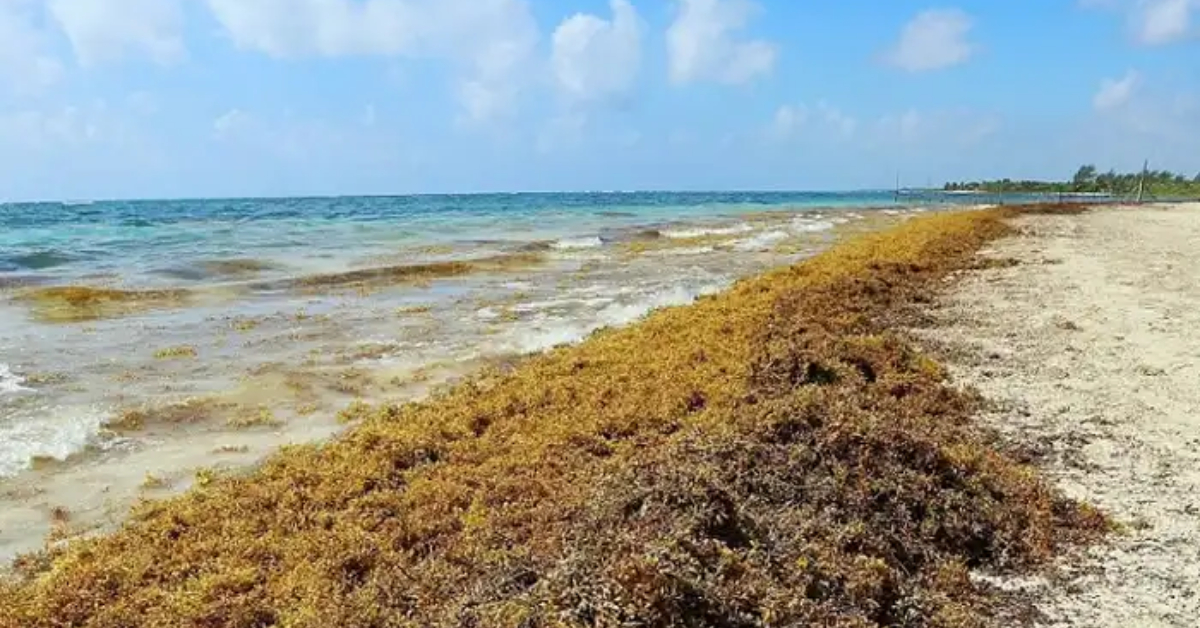
Sargassum brings more than an eyesore. As it decomposes, it emits hydrogen sulfide gas, which can irritate eyes, skin and lungs—especially for children and people with asthma. The rotting mats also foul coastal waters, disrupting snorkeling, diving and marine wildlife.
Tourism businesses report guest complaints rising in peak months, prompting some hotels to offer complimentary masks and extend indoor amenities to keep visitors comfortable. Still, hoteliers remain optimistic: clear‑water days after cleanup draw strong bookings, and many travelers factor in occasional brown‑water advisories when planning stays.
With August pegged as the worst month, authorities know their window for damage control is narrow. Federal Navy assets will remain on high alert, while local teams prepare for rapid response. Ciemad plans further research into sargassum’s nutrient sources, hoping to predict future blooms more accurately and advise long‑term mitigation strategies.
For now, Quintana Roo’s beaches sparkle more often than not, but the “unwelcome visitor” remains a reminder that climate‑driven changes demand constant vigilance—and creative solutions—to keep Mexico’s Caribbean coast open for business.
sargassum, Riviera Maya, Quintana Roo, tourism, environmental challenge, Ciemad, SEMAR