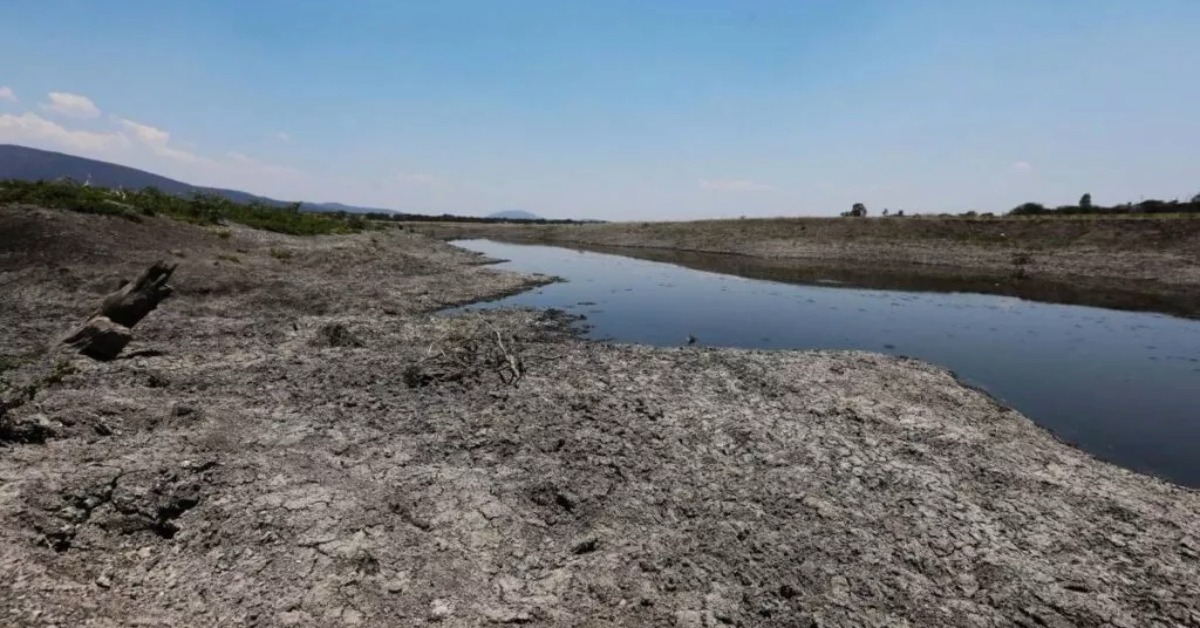
Severe Drought in Baja California: Baja California continues to suffer extreme drought conditions, emerging as one of Mexico’s most parched areas in 2025. The state was highlighted in the July 31 national Drought Monitor report by CONAGUA (Mexico’s National Water Commission) as “one of the entities most battered by drought” in the country. Large portions of Baja California – especially the central and southern inland zones – are categorized under severe to extreme drought on the monitor’s scale, reflecting prolonged rain deficits and high temperatures.
According to CONAGUA’s data, Baja California has seen meager rainfall this year, well below historical averages. The typically arid peninsula relies on winter rains (which were sparse) and the North American monsoon’s summer storms (which have been erratic). As a result, reservoirs like the Abelardo L. Rodríguez and El Carrizo dams near Tijuana are at concerningly low levels. Rural aquifers in the San Quintín valley and Mexicali Valley have also been overdrawn, with little recharge due to lack of precipitation. The impact on agriculture is significant – farmers in Mexicali’s irrigation district have faced water delivery cuts, affecting wheat and vegetable crops.
Water Restrictions and Wildfire Risk
In urban centers such as Tijuana and Ensenada, authorities have enacted water-saving measures. Residents have been asked to reduce usage, and in some neighborhoods, rotational water supply schedules (tandeos) have been implemented to ration available water. This is reminiscent of the severe drought of 2022 when Tijuana endured periodic shutoffs. Baja California’s state water commission reports that while the situation is being managed, continued drought could force stricter controls. “We urge the public to conserve water – Baja California is among the most drought-stricken states,” a CONAGUA official said, underscoring the monitor’s findings.
The dry conditions also elevate wildfire risk across the state’s chaparral and desert scrub landscapes. Already this year, a number of brushfires have flared in the hills east of Tijuana and Tecate. Firefighters warn that a single spark could rapidly escalate, given the desiccated vegetation. Normally, July sees some monsoonal storms in the mountains, but those have been infrequent, so the typical greening hasn’t occurred and fire risk remains high.
Other states are enduring drought
Baja California is not alone – northern Mexico in general has endured drought, including Sonora, Chihuahua, and Nuevo León. However, the Drought Monitor shows Baja California as particularly hard-hit because it entered the year with deficits from prior dry years and has less resilient water infrastructure than some mainland states. It lacks large rivers (apart from the Colorado River which barely trickles into Mexicali due to U.S. upstream use). Thus, Baja depends on local rainfall and some Colorado River allotment, both in short supply.
CONAGUA’s monitor places much of Baja in the “D2 Severe Drought” category, with pockets of “D3 Extreme Drought” in central Baja’s Sierra de Juárez region. This is reflected by on-ground realities: wells going dry in rural ejidos, and ranchers having to truck in water for livestock. Some communities in the interior, such as those near San Felipe, have been relying on water deliveries by government tankers as local springs have dwindled.
When will relief arrive
The outlook for relief is uncertain. The Pacific hurricane season could indirectly help if a storm’s remnants bring rain northward, but those are hit-or-miss. Climate experts note that El Niño conditions developing in the Pacific might shift rain patterns later in the year, potentially delivering a wetter winter to northwestern Mexico. But until then, Baja Californians must brace for a tough summer-fall.
The government of Baja California has launched cloud-seeding attempts in June to induce rainfall over watersheds, though results are unclear. They are also accelerating medium-term projects like a desalination plant expansion in Ensenada (to tap the Pacific Ocean) and repairs to leaky water mains to reduce waste. “Drought is a recurring challenge here – we’re investing in more resilient water supply measures,” said Governor Marina del Pilar Ávila. She has convened a drought task force coordinating with federal agencies to ensure drinking water needs are met.
The new normal
Residents are adjusting to a “new normal” of water scarcity. In Mexicali, some are reusing greywater for gardens; in Ensenada, hotels have installed rainwater harvesting (though rain is scant, every bit counts). Public campaigns urge simple actions like short showers and fixing home leaks.
The drought’s silver lining, if any, is that it has heightened awareness about water’s value. Baja California’s plight illustrates the broader challenges Mexico faces as climate change likely intensifies extremes – severe drought in one region, while others (like the south) battle flooding. As one farmer in the Valle de Guadalupe wine country lamented, “Either we pray for rain or learn to live with less water.” For now, they are doing both.