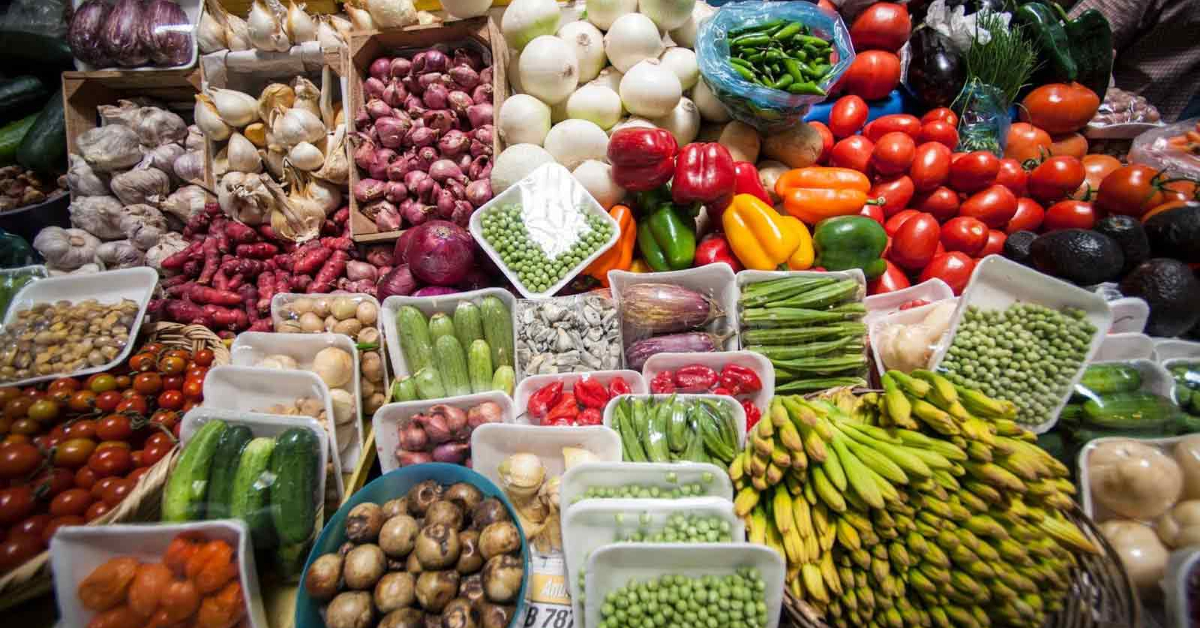
Food prices can feel abstract until a federal comparison places one state near the top of the national ranking. That happened in Baja California Sur at the end of March, when the monitored cost of a standard 24-item basket moved above the government’s 910-peso reference. The figure does not mean every supermarket in the state charges the same. But it does offer a useful snapshot of pressure on everyday shopping, and it helps explain why grocery costs remain a practical concern for households.
Baja California Sur climbs near the top of the list
Baja California Sur ranked among the most expensive places in Mexico for the basic food basket in March, according to the latest federal price comparison. The state ranked third nationally, with a monitored basket priced at 942.50 pesos. Within its Centro Norte region, only Zacatecas posted a higher figure. That result placed Baja California Sur above the federal reference price that officials have used as a benchmark for the basket under the anti-inflation agreement.
That headline number matters because it turns a broad inflation story into something more concrete. Grocery pressure is easier to understand when it is tied to a basket of everyday items that many households actually buy. It also matters in Baja California Sur because the state has long faced concerns about the cost of daily life, especially in cities that serve tourism, retirees, and a fast-growing service economy. For many readers, the issue is not abstract economics. It is what a regular supermarket trip costs at the end of the week.
What the basket actually measures
The Profeco basket is not a full cost-of-living index, and it is not a statewide average. It is a weekly comparison of 24 products considered basic household purchases. The monitored basket includes staples such as oil, rice, beans, eggs, milk, beef, pork, chicken, fruit, vegetables, tortillas, bread, pasta, sardines, soap, and toilet paper. The government presents it as a reference for what a family of four would need for roughly one week.
That distinction is important. The ranking does not mean every store in Baja California Sur is charging 942.50 pesos. It means that one monitored basket in one specific store reached that level during the comparison period used for the late-March report. Even so, the exercise is useful because it compares like with like. It tracks the same mix of essential products across regions, using named retail outlets, making it easier to see where prices are higher and where shoppers are finding some relief.
Why this matters beyond one week of shopping
The result arrives at a time when inflation is again putting pressure on household budgets across Mexico. National inflation reached 4.59 percent in March, according to INEGI. The agency also reported that the minimum consumption basket rose 4.56 percent year over year. On top of that, some food-sensitive categories moved sharply during the month. Fruits and vegetables rose 10.75 percent in March alone, showing how quickly basic shopping costs can shift.
For readers who are new to Mexico, this is also a reminder that there are different ways to measure prices. A national inflation rate describes the overall change in consumer prices. The Profeco basket, by contrast, is a narrower tool. It gives a real-world check on the cost of a specific group of essentials. That makes it useful for families, retirees, and anyone trying to understand why the total at the checkout line can feel higher even when a national average does not fully capture the weekly strain.
A snapshot, not the final word
The late-March ranking should be read as a warning sign, not a final verdict on all grocery shopping in the state. Prices can move from week to week, and Baja California Sur’s own March numbers showed that kind of volatility. Earlier in the month, the monitored basket was much lower. It then spiked, dropped again, and rose back above the 910-peso reference by the close of March. That tells readers two things at once: prices are not fixed, and pressure on essentials remains real.
There is also a broader reason the story resonates. In household spending data for Baja California Sur, food takes up a large share of current expenses. That helps explain why changes in staple prices draw attention quickly. Housing often dominates the conversation about affordability in Mexico’s coastal and expat-heavy markets. But for many residents, the more immediate signal comes from the supermarket. When the federal basket in Baja California Sur lands near the top of the national table, it adds another piece of evidence that everyday costs are still running hot.