An aerial census of Baja California’s harbor seals turned up a shock: numbers have collapsed since 2016. Researchers from CICESE and UABC say warmer seas and human disturbance are driving the drop, and they documented the grim math from Coronado down to Asunción. The species is already under “special protection” in Mexico, but the team argues that status isn’t keeping pace with reality. What they found from the air, why the ocean’s heat matters, and how coastal rock mining and tourism pressure can push seals off their last safe ledges.
Baja’s harbor seals are blinking out along the peninsula. A new analysis by researchers at CICESE and UABC found the population dropped from 7,380 animals in 2016 to 2,863 in 2022 — a 61.2 percent fall in just six years. The team conducted standardized aerial surveys during the molting season, counting seals from Coronado to Asunción, and then modeled trends across colonies. Their takeaway was blunt: every known site is trending down, and far fewer colonies remain active today than a decade ago.
The methods were straightforward and difficult to dispute. Pilots maintained an altitude of 300 meters along the coast while observers photographed haul-outs, later tallying seals with imaging software to avoid double counts. The researchers say that in 2009, there were reports of 44 colonies; between 2016 and 2022, they confirmed only four. That contraction mirrors what residents and fishermen have noticed informally: long-used rock shelves and pocket beaches are quiet now, or used only sporadically.
Baja harbor seal decline
The drivers start offshore. The study links the crash to a measurable warming of surface waters — about 0.7°C across the survey window — which pushes prey out of reach and leaves females without the fat reserves needed to carry and nurse pups. That picture lines up with broader records of repeated, long-lived marine heatwaves in the California Current since 2019, events known to scramble food webs from plankton to predators.
What’s happening onshore compounds the stress. The team singles out the extraction of piedra bola — round cobbles trucked off beaches for construction and landscaping — as a frequent source of disturbance. Heavy vehicles and workers on narrow strips of coast push resting seals into the water, and repeated flushes can lead to abandoned haul-outs. Federal inspectors have flagged the practice before; in 2017, PROFEPA shut down a cobble-mining project in Ensenada and warned that such work alters beach morphology and harms coastal wildlife.
Across the peninsula, harbor seals historically used rocky ledges and islands such as Coronado, Todos Santos, San Martín, San Jerónimo, Natividad, Cedros, San Benito, San Roque, and Asunción. The new counts suggest those havens are thinning out unevenly. Islands bathed by more productive waters — Todos Santos, Natividad, San Benito, San Roque, San Jerónimo — are declining more slowly, hinting that food access still matters even in a warming ocean. That pattern shows up in recent scientific write-ups examining Baja colonies within the Southern California Current.
What changes now
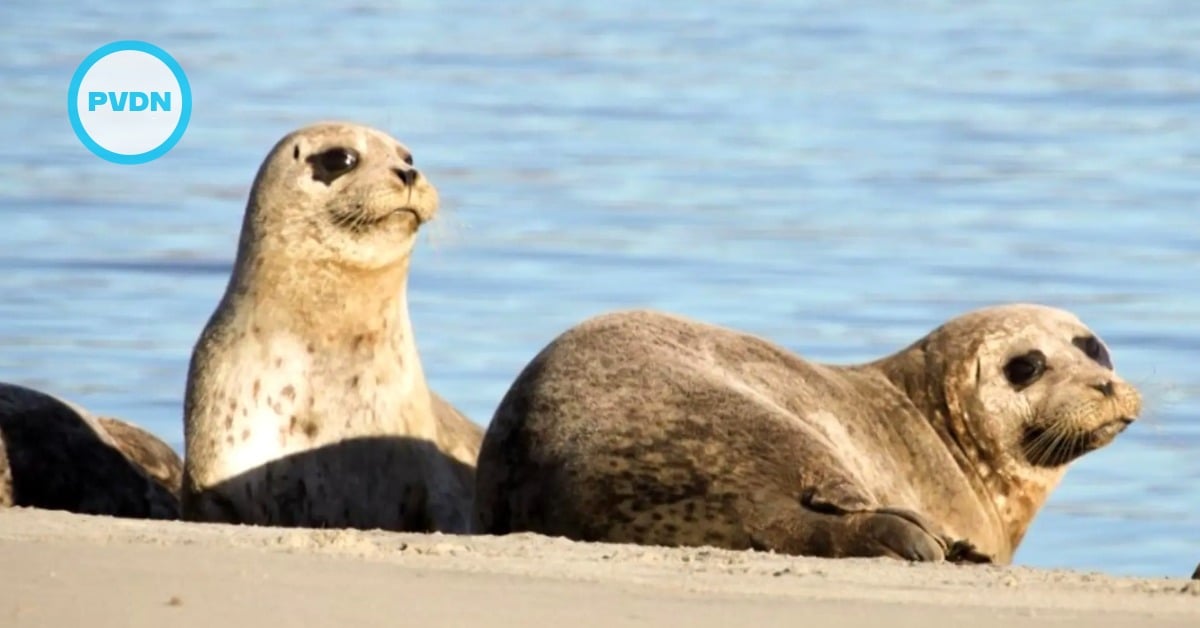
Legally, the Pacific harbor seal is listed under Mexico’s NOM-059 as Sujeta a Protección Especial — the lowest of the risk categories. The researchers now argue for elevating that status to “Threatened,” matching the steep drop they documented and giving authorities more tools to limit disturbance at key rookeries. Prior work by CICESE scholars and NOM-059 summaries confirms the species’ current category; updating it would align law with the field reality. Baja harbor seal decline is no longer a trend line on a graph — it is something you can see from the air.
Practically, the fixes aren’t exotic. Clamp down on cobble extraction and motorized traffic on beaches that seals still use. Enforce buffer distances for tourist boats and shore visitors during molting and pupping. Treat marine heatwaves as predictable hazards, not surprises, and adjust local protections when they flare — more patrols, temporary closures, and seasonal signage before busy holiday weeks. Science gives Mexico a clear, current baseline. Taking the pressure off the last reliable haul-outs could buy the colonies time while the ocean cools — and ensure that children on the coast still spot those speckled faces hauled out on the rocks next spring.