When Baja Sur floods, streets turn into arroyos fast. Lawmakers now want those streets closed as a rule, not a judgment call. The State Congress approved a unanimous resolution urging the National Guard, Civil Protection, and all five city halls to close road sections that serve as stormwater channels. One deputy put it bluntly: most weather deaths come from risky choices. The idea is simple—close first, argue later—so people don’t gamble with fast water. Here’s what passed, why it matters, and what happens next.
Baja California Sur’s Congress approved an exhort for authorities to close streets and highway cuts that become arroyos during heavy rain. The push asks the National Guard, the state Civil Protection office, and all five municipalities to create and apply a preventive closure plan. It passed unanimously after Morena deputy Guadalupe Vázquez Jacinto presented it.
Another deputy backed the move with a stark line: “Seventy percent of weather-related deaths are due to imprudence.” She argued that closures save lives when people try to cross fast water. Lawmakers framed the message as coordination across levels of government, not blame.
Why officials want automatic Baja Sur arroyo closures
This month’s storms reminded everyone how quickly dry channels surge. The federal meteorological service warned of intense rain, wind, and surf as Lorena and Mario brushed the state, and Civil Protection repeated the same rule each time: do not try to cross arroyos. Those alerts set the stage for a policy that closes known watercourses before the first vehicle enters.
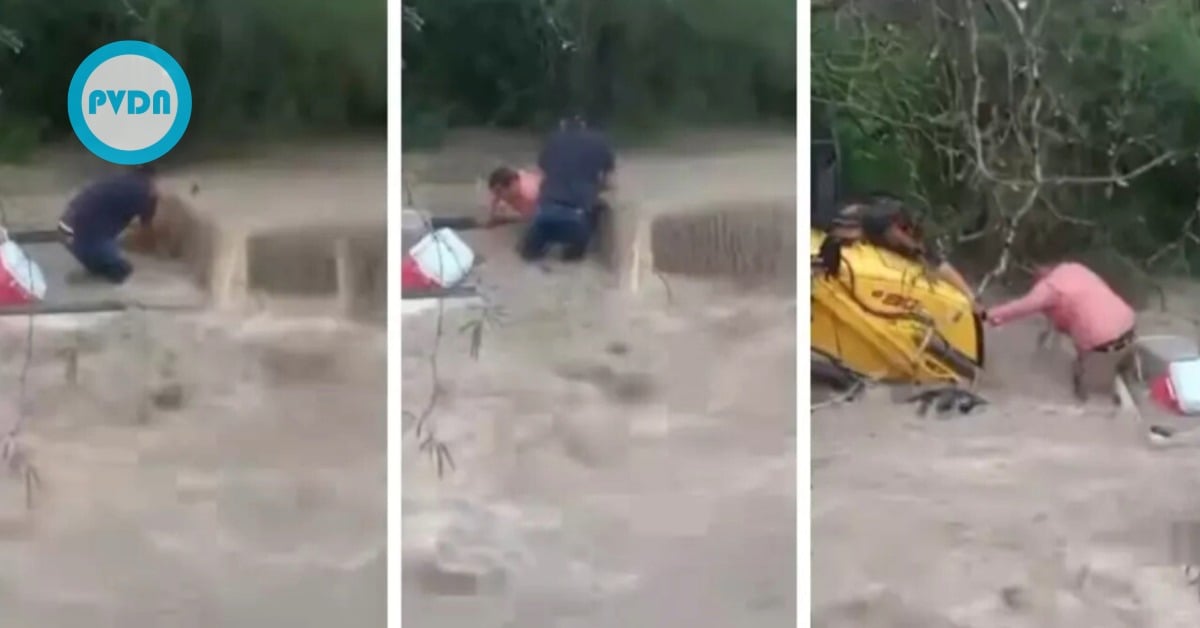
Local reporting has documented how people die in these events. Police and rescuers have tied past fatalities to drivers and pedestrians who attempted a crossing and were swept away. That pattern is precisely what Congress aims to break with planned barricades and early roadblocks.
What changes on the ground if cities adopt this
If city halls follow through, we should see mapped closure points, pre-positioned barriers, and simple public rules. Crews can close trouble spots as soon as runoff starts, then reopen after inspections. The state’s guidance already tells residents to stay put during intense rain and never cross flowing water; the plan gives that guidance teeth when it matters most. The proof will be in the next storm: faster closures, fewer gambles, and safer mornings after.