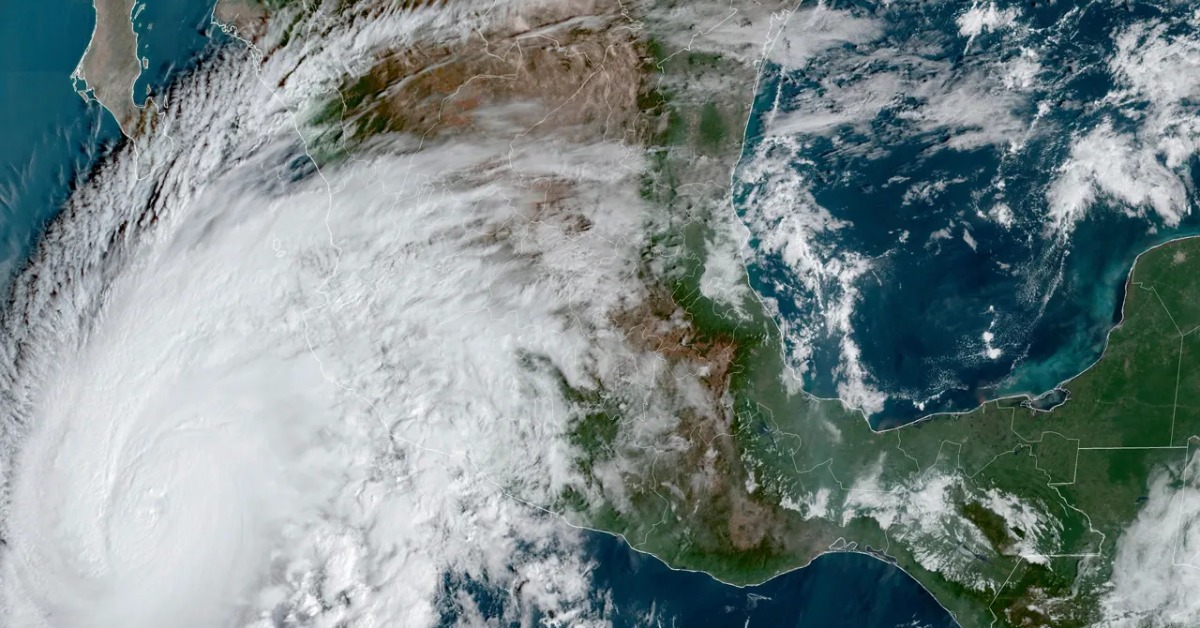
Los Cabos is among the areas being watched closely as Mexico prepares for an active Pacific hurricane season, with forecasters expecting more tropical systems than usual in 2026.
The Eastern Pacific season officially begins on May 15 and runs through November 30. Before the season starts, Mexico’s weather authorities have projected 18 to 21 tropical cyclones in the Pacific basin. That includes tropical storms, hurricanes, and several systems that could become major hurricanes.
For Los Cabos, the warning is not only about a direct hit from a hurricane. A storm passing offshore can still bring dangerous rainfall, rough seas, strong winds, and sudden flooding. That matters in a municipality where dry streambeds can turn into fast-moving channels within minutes.
Local civil protection officials have paid particular attention to arroyos, unstable hillsides, and homes built with fragile materials. These areas can become dangerous when heavy rain moves across the southern Baja California peninsula.
Why the Pacific outlook matters for Baja California Sur
The Pacific side of Mexico is expected to be more active than average this year. Forecasts call for 9 to 10 tropical storms, 5 to 6 Category 1 or 2 hurricanes, and 4 to 5 major hurricanes in the Pacific.
That does not mean every storm will threaten land. Many Pacific systems remain offshore or weaken before reaching populated areas. Still, Baja California Sur often feels the effects of storms that track near the peninsula, even when the center does not make landfall.
Los Cabos has seen this pattern before. Heavy surf, road flooding, beach closures, and shelter openings can occur even when a hurricane passes at sea. The local concern is that rain can arrive quickly over desert terrain that does not absorb water well.
This is why storm preparation in Los Cabos is not limited to wind damage. Flooding, blocked roads, power interruptions, and access to shelters are often the more immediate concerns for residents and visitors.
El Niño adds uncertainty to the season
The 2026 forecast is also being monitored due to changing Pacific Ocean conditions. U.S. climate forecasters say El Niño is likely to emerge between May and July and may persist through the end of the year.
El Niño usually means warmer surface waters in parts of the Pacific. Warmer water can provide more energy for tropical systems, although storm formation still depends on several factors. Wind shear, moisture, and atmospheric patterns also matter.
This makes the outlook more serious, but not exact. Seasonal forecasts show the expected number of systems across a broad ocean basin. They do not predict where a storm will form, where it will travel, or whether Los Cabos will take a direct hit.
For residents, the practical message is simpler. An active season increases the need to be ready early, especially in areas that already flood or lose access during heavy rain.
The local risk is often in the arroyos
In Los Cabos, arroyos are one of the most important risk points during storms. These dry channels may look harmless through much of the year. During heavy rain, they can carry large volumes of water with little warning.
That poses a danger to homes, vehicles, and pedestrians. Roads that cross low areas can become unsafe quickly. Drivers may underestimate the force of moving water, especially at night or during poor visibility.
Hillside areas carry a different risk. When rain saturates unstable slopes, mud, rocks, and debris can move downhill. Homes built on or below these slopes may face added danger during prolonged rainfall.
Officials have also warned about homes made with weak materials. These structures may not withstand strong winds, heavy rain, or debris flow. For families in these areas, knowing the nearest temporary shelter before a storm forms can make a major difference.
Shelters are already being reviewed
Los Cabos officials have begun inspecting 44 temporary shelters ahead of the rainy and cyclone season. The review focuses on safety, access, basic services, electricity, bathrooms, connectivity, and general operating conditions.
The goal is to make sure shelters are ready before a storm emergency. Authorities are also preparing an updated shelter list so families in vulnerable areas can identify the closest safe location.
For foreign residents, this is an important detail. Many expats know their neighborhood well in normal weather, but may not know which school, public building, or community site becomes the nearest shelter during a storm.
That information is best checked before heavy rain begins. Once a storm is approaching, roads may be congested, flooded, or closed. Power and cell service can also become unreliable.
What residents should do before the first storm
Residents in Los Cabos should use the early-season warning as a prompt to review basic preparations. That includes knowing the nearest shelter, checking evacuation routes, and keeping important documents protected from water.
People living near arroyos or on unstable slopes should pay close attention to local alerts. If authorities recommend evacuation, leaving early is safer than waiting until water is already moving through nearby streets.
Foreign residents should also make sure they can receive warnings in Spanish. Local civil protection notices, municipal alerts, and weather updates may arrive first in Spanish. Translation apps can help, but it is better to follow official channels before a storm is close.
A basic emergency plan should include drinking water, medications, phone chargers, flashlights, pet supplies, and enough food for several days. Residents should also know how to shut off gas, secure outdoor items, and protect windows if a storm approaches.
A forecast is not a landfall prediction
The outlook does not mean Los Cabos will be struck by a major hurricane this season. It means the Pacific basin is expected to produce more systems, and Los Cabos sits in a region where storm impacts are possible.
The distinction matters. Seasonal forecasts are useful for preparation, not panic. They give authorities time to inspect shelters, update risk maps, and warn residents before the season becomes active.
For Los Cabos, the greatest concern may be the familiar combination of heavy rain, exposed terrain, and people living in vulnerable zones. A storm does not need to be historic to cause serious disruption if it sends intense rainfall into arroyos and low-lying areas.
The safest approach is early preparation, regular monitoring, and quick action when official warnings are issued.