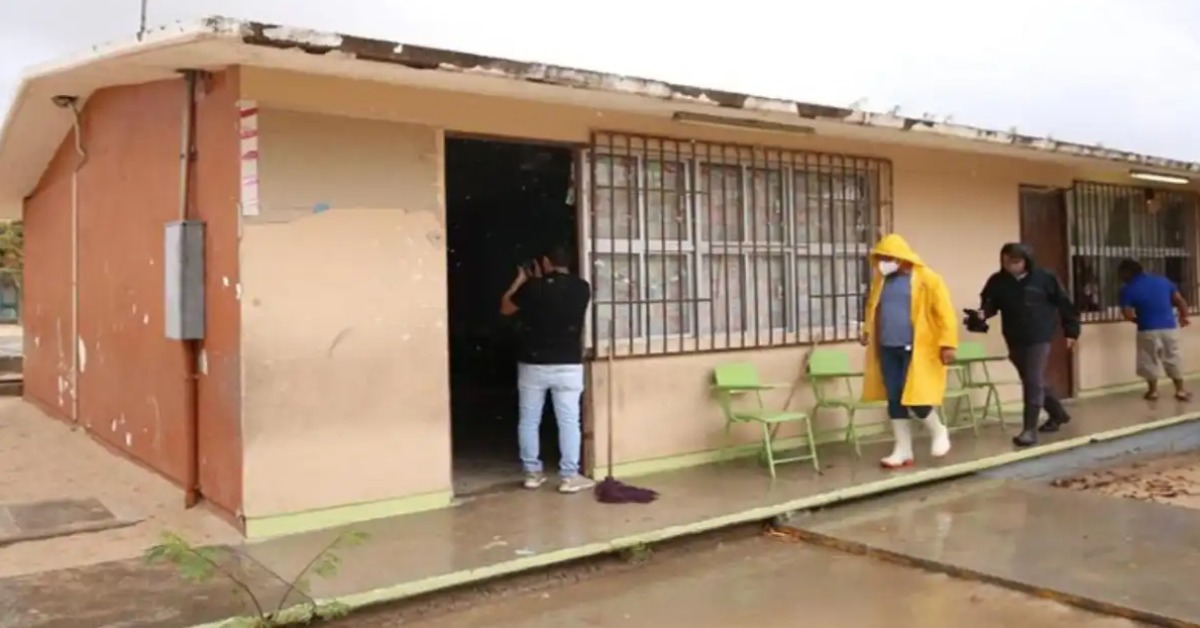
Los Cabos officials have begun inspecting 44 temporary shelters that could be used during the 2026 rainy and hurricane season, as the municipality moves into its annual storm-preparation period.
The review is being led by Civil Protection and Risk Management officials. The goal is to confirm that each building can safely receive residents in the event of a storm, flood, or other emergency requiring evacuations.
The inspections focus on basic yet important conditions. Officials are checking electrical systems, bathrooms, access points, connectivity, and the general condition of each property. The review is also meant to confirm whether the shelters can operate properly during an emergency.
Municipal Civil Protection Director Francisco Cota Márquez said the work began in the northern communities of Miraflores, Santiago, and La Ribera. The inspections are expected to continue in San José del Cabo and Cabo San Lucas.
Once the review is complete, the municipality plans to update its registry of available shelters. That list is meant to help families in vulnerable areas know where to go before an emergency happens.
Why this matters in Los Cabos
The shelter review comes before the official start of the Pacific hurricane season, which runs from May 15 through November 30. The Atlantic season begins June 1, but Los Cabos is primarily exposed to systems that form in the eastern Pacific.
For many residents, hurricanes are not only a wind event. In Los Cabos, some of the greatest risks include flooding, arroyo runoff, road closures, power outages, and damage to homes in exposed areas.
That is why shelter readiness matters before the first named storm forms. A building listed as a shelter must be more than available. It must be accessible, safe, sanitary, and able to support people who may arrive with little notice.
This is also important for foreign residents and long-stay visitors who may not be familiar with local evacuation routes. In a coastal municipality with a large tourism economy, emergency planning has to account for people who may not speak Spanish or understand how quickly storm conditions can change.
What inspectors are looking for
The current review is not just a paperwork exercise. Shelter inspections usually focus on whether a building can function during the kind of disruption a storm can create.
Electrical service is important because shelters may need lighting, charging access, and basic communications. Sanitary conditions matter because crowded shelters can lead to health problems if bathrooms, water, and cleaning systems are unavailable. Access is also key, especially when rain makes some roads difficult or unsafe.
Connectivity has become a larger issue in recent years. Families need official updates, and emergency workers need ways to coordinate with municipal, state, and federal agencies. A shelter without reliable communication can create problems during a fast-moving event.
The updated shelter registry should also help authorities decide which buildings are best suited for different areas. Some shelters may be closer to flood-prone neighborhoods, while others may be more useful for communities farther from the main urban corridor.
A wider push before the 2026 season
Los Cabos officials are also participating in national hurricane-season coordination efforts. These meetings are used to review prevention, response, and recovery protocols before storms begin affecting coastal states.
National forecasts for 2026 point to an active Pacific season, with 18 to 21 named systems expected. Forecasts do not mean those storms will hit land, and they do not identify where impacts may occur. They do, however, give emergency agencies a planning window.
For Los Cabos, early preparation is part of normal hurricane-season management. The municipality must plan for permanent residents, workers, tourists, and people living in areas where flooding or unsafe housing can increase the likelihood of evacuation.
The local hotel sector is also part of the larger emergency picture. Los Cabos has previously worked with hotels on safe temporary shelter planning, which matters in a destination where visitors may be present when a storm warning is issued.
What residents should do now
For residents, the shelter review is a reminder to prepare before a storm is imminent. The most useful first step is knowing whether your home is in a flood-prone area or near an arroyo. People who live in vulnerable zones should identify the nearest shelter once the updated municipal list is released.
Foreign residents should also keep copies of passports, immigration documents, medical information, and insurance papers in a waterproof bag. It is useful to have a small emergency kit ready before the rainy season begins.
Pet owners should plan ahead as well. Not every shelter can receive animals, and rules may vary depending on the emergency. Owners should have carriers, leashes, food, water, and vaccination records ready in case they need to move quickly.
The main point is simple. Shelters are a last resort, not a first plan. People who can safely stay with family, friends or in secure lodging may not need a public shelter. But when authorities call for evacuation, knowing the nearest safe place can save time.
The inspection of 44 temporary shelters in Los Cabos is an early step in the municipality’s 2026 hurricane-season preparation. It does not mean an emergency is underway. It means officials are checking whether the buildings that may be needed later are ready now.
For residents and visitors, the message is practical. Hurricane season is not only about tracking storms. It is about knowing where to go, what to carry, and how to respond if local authorities issue evacuation instructions.