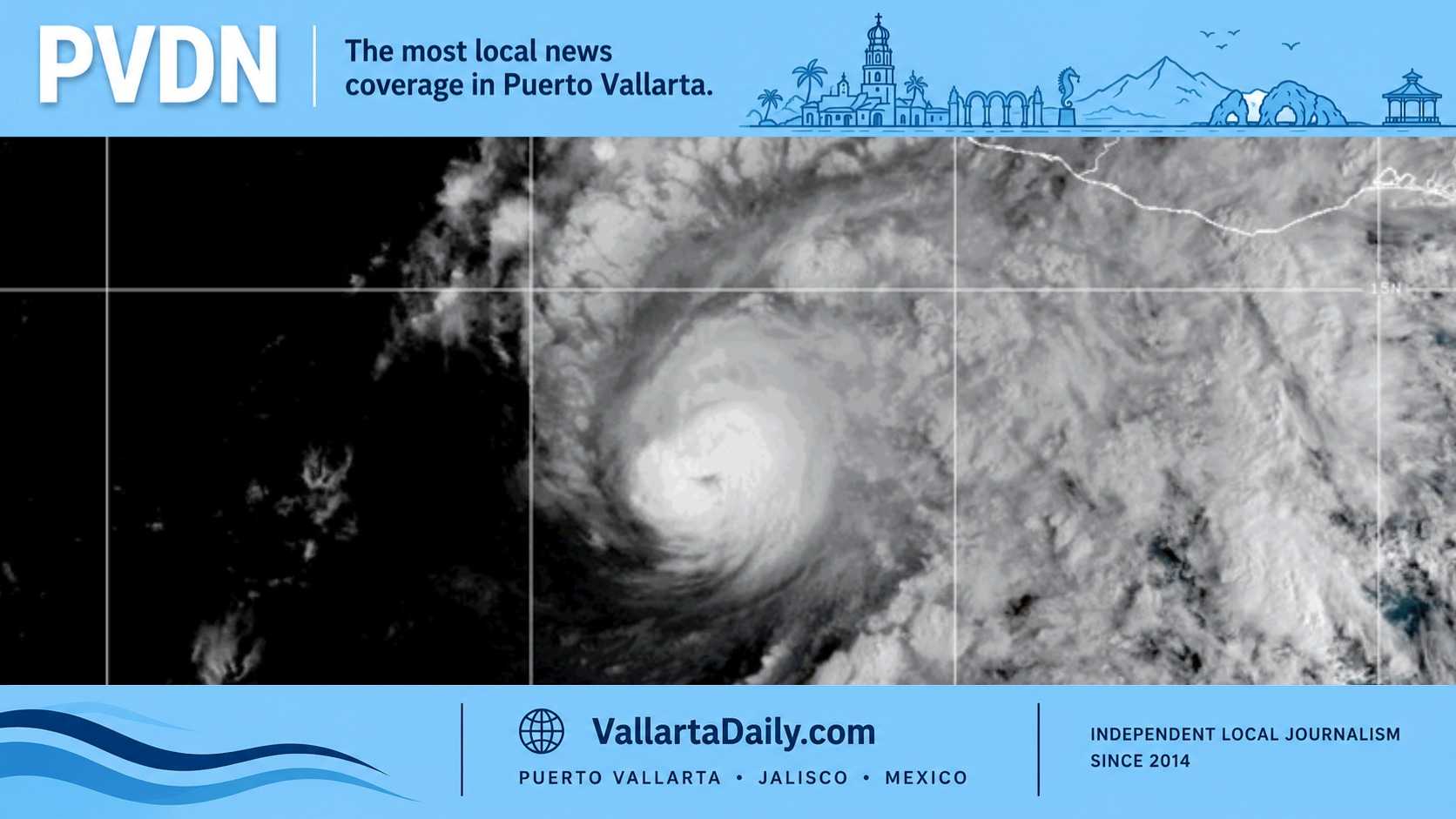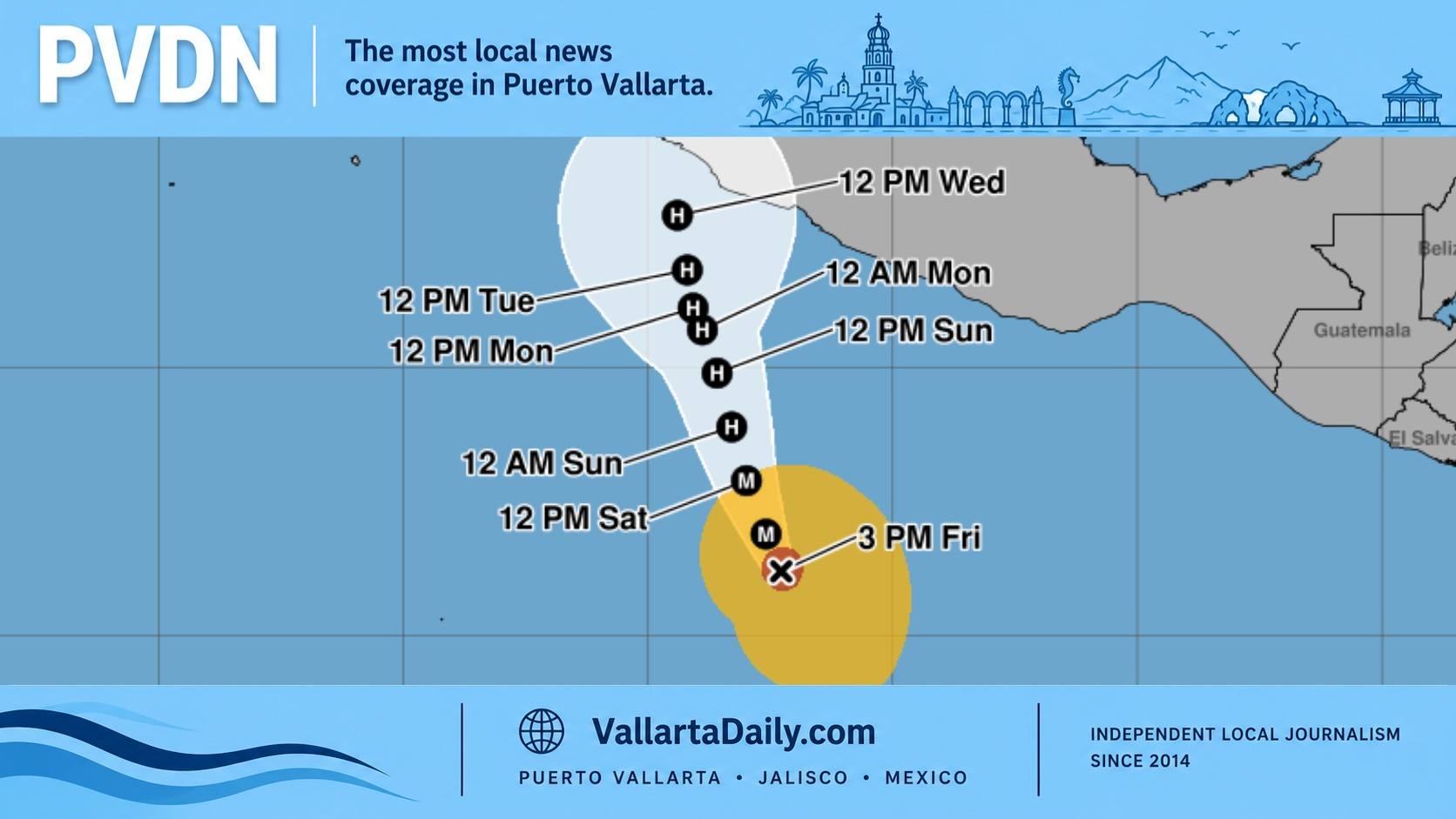
Mexico’s national civil protection coordination will meet in Boca del Río, Veracruz, from April 22 to 24 to define operational protocols for the 2026 rains and tropical cyclone season. The meeting is more than a ceremonial start. It is where federal, state, and local authorities align on how they will respond when storms threaten communities, ports, highways, tourist zones, and basic services.
That matters because Mexico’s cyclone season is not treated as a single weather story. It is managed as a national risk period that can trigger flooding, landslides, storm surges, transport disruptions, and prolonged power failures. In practice, these meetings help determine how agencies share information, how emergency warnings move through the system, and how quickly shelters, evacuation routes, and local response teams can be activated when conditions worsen.
The official 2026 seasonal forecast is also expected to be presented during the event. That forecast will cover both the Pacific basin and the Gulf of Mexico and Atlantic side, giving authorities a shared baseline before the season begins. For readers, that forecast will matter less as a crystal ball and more as a planning signal. It tells officials where attention should concentrate early, even before individual storms form.
What officials are preparing before the season starts
The agenda points to a practical focus. Workshops tied to the Veracruz meeting include the Incident Command System, damage assessment, temporary shelters, early-warning systems, risk scenarios, drones for flood analysis, and local risk-reduction planning. Those subjects show what the government sees as the real challenge. The issue is not only tracking storms. It is making sure institutions can act in a coordinated way when conditions change quickly.
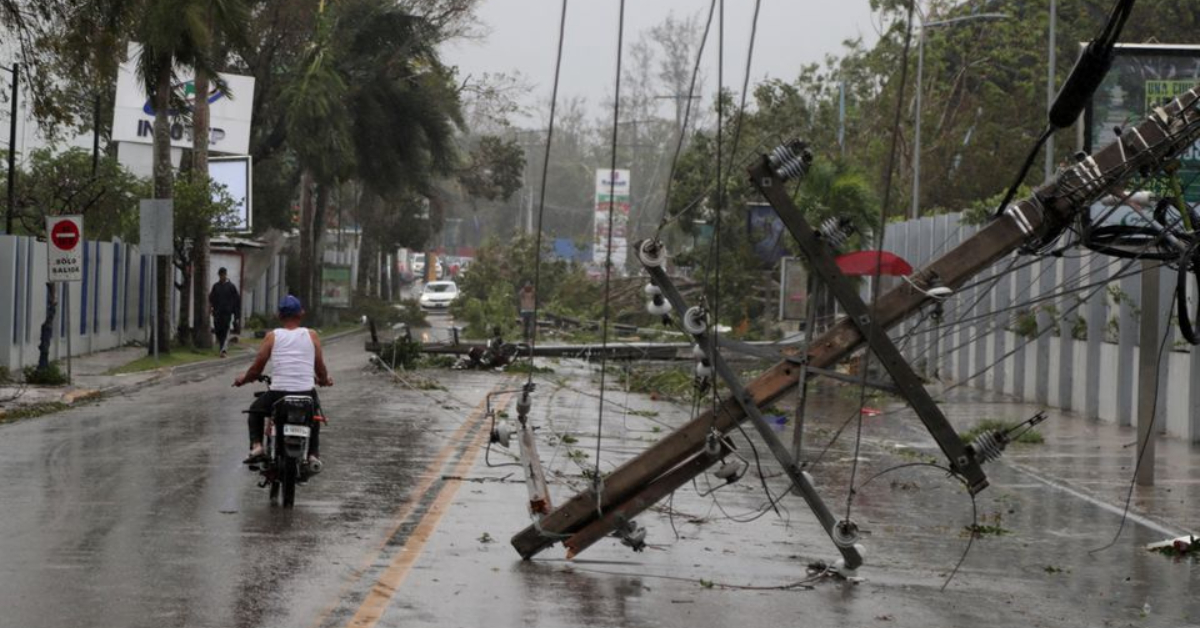
This is especially important in Mexico, where the effects of a cyclone often extend beyond the point of landfall. A storm can strengthen surf, close ports, flood low-lying neighborhoods, isolate communities, and affect airports, highways, and tourism infrastructure well before or after the eye passes. Civil protection planning aims to reduce downstream problems by defining clearer roles in advance.
Mexico also relies on the SIAT-CT early warning system for tropical cyclones. That system is designed to connect weather monitoring with public alerts and institutional action. For residents, the basic lesson is simple. Preparation is not just about watching a storm map. It is about knowing which official warnings matter, where local shelter information comes from, and what instructions override routine plans when authorities raise the alert level.
Why Baja California Sur residents should pay attention
For Baja California Sur, the Veracruz meeting is relevant even though it is taking place on the Gulf coast. The official forecast will include the Pacific, which is the basin that most directly affects the peninsula. Baja California Sur does not need a major hurricane landfall to feel impacts. Strong outer bands, high surf, heavy rain, flash flooding, washed-out roads, and port restrictions can still disrupt daily life, especially in coastal and tourist areas.
The state also sits in a part of Mexico where storm awareness matters for both residents and visitors. Tourism, marine activity, road travel, and basic household planning can all be affected during the season. That is why pre-season protocol meetings matter outside Veracruz. They shape the response framework that local authorities rely on later, including warnings, coordination, shelter activation, and public messaging.
For foreign residents, the key point is that Mexico’s system may not always look the same as what they know in the United States or Canada. The agencies are different, the warning terms can be different, and local civil protection instructions carry special weight. Understanding that before the season starts can prevent confusion when a storm is still offshore but officials begin changing school schedules, closing beaches, or issuing port restrictions.
What readers can do before the first storms form
The most useful takeaway is not to wait for a named storm. The Pacific season officially begins in mid-May, and the Atlantic season begins on June 1. That leaves a short window for simple preparation. Households should know their most reliable information source, review what local authorities use for alerts, and think through basics such as medications, documents, charging devices, cash, drinking water, and what they would do if roads or services were disrupted for a day or two.
Preparation also means reading warnings correctly. A seasonal outlook is not a storm forecast, and a storm track does not show every possible impact zone. Rain, waves, and flooding often become the biggest danger, especially for people who assume the risk ends if a storm center stays offshore. That is one reason authorities spend so much time on coordination before the season starts. The hardest part of emergency management is often not the weather itself, but how fast people understand the risk and act on it.
For Baja California Sur, the coming federal forecast will be worth watching closely. But the bigger story is already clear. Mexico is moving from general awareness into operational readiness, and that shift affects the peninsula whether the first serious threat arrives early or late in the season.