Cancun’s beaches faced a massive seaweed challenge last year, with waves of sargassum washing ashore. Instead of treating it as a seasonal nuisance, the city turned beach cleaning into a daily mission. Now officials are revealing the year’s staggering haul of removed seaweed – and pinpointing which months and shorelines were hit the hardest. The scope of the cleanup is eye-opening. But beyond the numbers, what does this relentless effort mean for the experience of tourists and residents who cherish Cancun’s shores?
Keeping Cancun’s famous white-sand beaches beautiful is not a part-time job. It’s an everyday commitment – one that led to an astounding 16,000-plus tons of seaweed being removed from the city’s shores in the past year. City officials in Cancun, Quintana Roo, recently released figures showing how their year-round beach-cleaning program tackled waves of sargassum (a brown seaweed) that continued to arrive throughout 2025. Their efforts have protected both the environment and the tourism that depends on pristine coastlines.
“This is the work of perseverance and the commitment of many hands and many hearts who deeply love this place. It reflects our commitment to our home, Cancun – the number one tourist destination in Mexico and Latin America,” said Mayor Ana Patricia “Ana Paty” Peralta, crediting the relentless cleanup crews for their dedication. The city’s ongoing effort, she noted, is a point of pride and a promise to both locals and visitors that Cancun’s beaches will be cared for in every season.
Year-Round Cleanup Effort
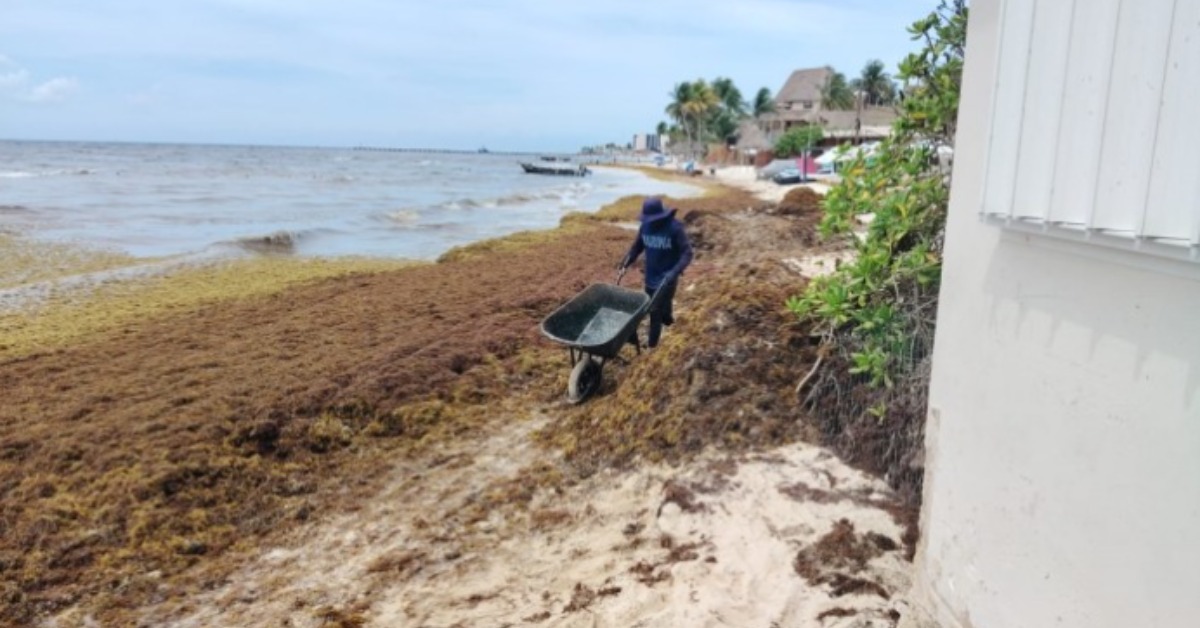
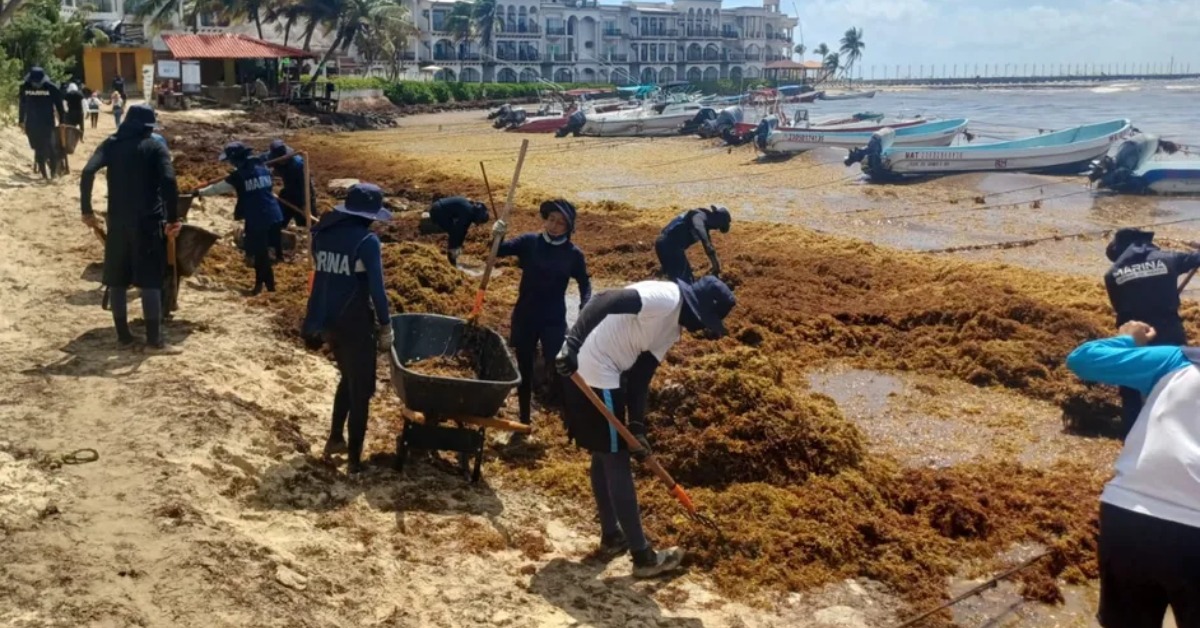
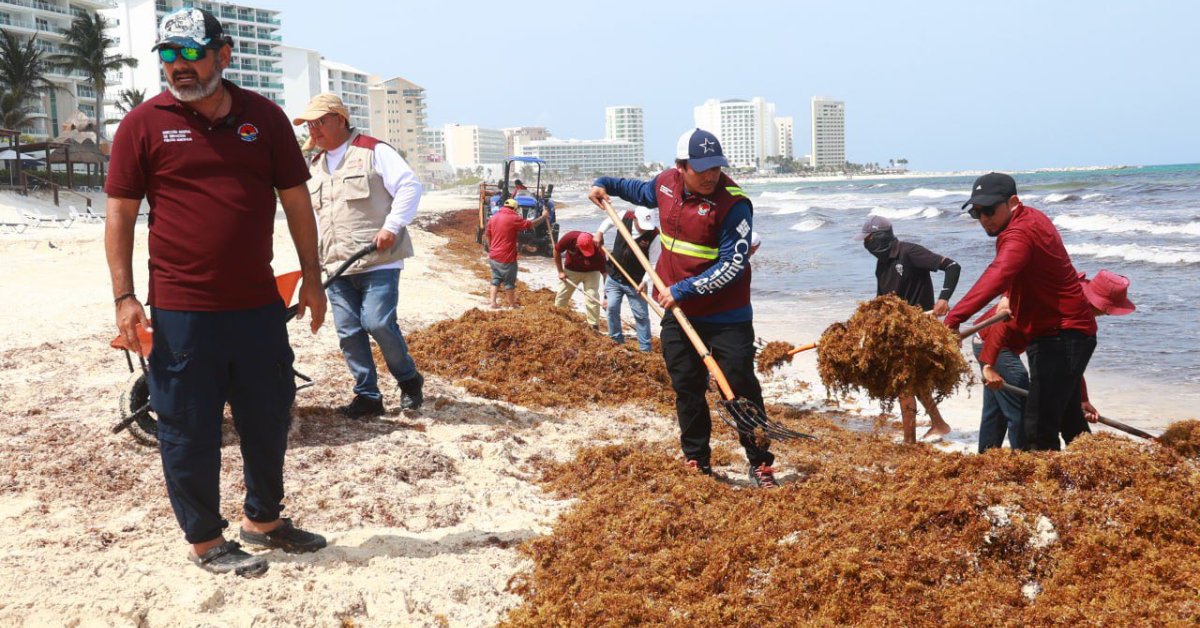
The beach cleanup in Cancun isn’t confined to peak tourist season – it’s a permanent, year-round operation. Every morning, teams from the municipal Public Services department and the Zona Federal Marítimo Terrestre (Zofemat) hit the sands to collect seaweed and debris. In fact, the city currently deploys roughly 90 workers across seven public beaches each day as part of this brigade. Crews often start at dawn (around 5 a.m.) to ensure the shorelines are fresh and welcoming by the time locals and tourists arrive to stroll or swim. This daily vigilance means that even during quieter months, when little sargassum washes in, workers remain on standby to keep beaches spotless and address any unexpected arrivals.
Such constant attention proved crucial in 2025, a year that saw especially large sargassum landfalls. By maintaining routine cleanups even in the off-season, Cancun was ready to respond quickly whenever the seaweed surged. The close coordination between city workers and federal maritime zone staff has made the operation more efficient. It also sends a clear message: no matter the time of year, Cancun is committed to preserving the natural beauty of its coastline.
16,000 Tons of Sargassum Removed
Over the course of 2025, Cancun’s cleanup brigades removed over 16,600 tons of sargassum from the city’s beaches. To put that in perspective, that’s roughly the weight of 8,000 pickup trucks filled with wet seaweed. This massive haul of algae didn’t arrive all at once, nor evenly along the coast. One beach – Playa Delfines – caught nearly half of all the sargassum that landed in Cancun last year. (Delfines sits at the south end of the Hotel Zone and faces the open Caribbean, making it naturally the first point where drifting seaweed piles up.) Other heavily affected spots included Playa Coral and Playa Chac Mool, which also saw substantial mounds of the brown algae. In contrast, some more sheltered beaches (like Playa Las Perlas and Playa Ballenas) experienced only minimal seaweed landings, and a few north-facing beaches – among them Playa Langosta and Playa Tortugas – reportedly saw none at all in 2025.
The timing of the invasion was just as critical as the location. According to the city’s report, summer brought the most intense sargassum waves. August alone dumped approximately 6,700 tons of seaweed on Cancun’s shores – about 40% of the entire year’s accumulation in a single month. That peak was followed by a still sizeable surge in September (around 2,800 tons) and another in July (about 2,500 tons). In stark contrast, the winter months of January, February, and December saw virtually no sargassum washing up. The data confirms what seasoned residents already know: Cancun’s beaches are generally clear in the winter, while mid-summer is when the “brown tide” hits hardest.
Protecting Tourism and Community
For a tourism powerhouse like Cancun – which welcomes millions of visitors each year – clean beaches aren’t just nice to have; they’re essential. City officials stress that keeping the shoreline free of sargassum is critical to maintaining Cancun’s status as a top tropical destination. Locals, including the expat community, also count on these beaches for recreation and natural beauty in their daily lives. The seaweed is unsightly and can smell foul as it decays, deterring swimmers and sunbathers. Swift removal is therefore as much about protecting the local economy as it is about safeguarding the environment.
Importantly, Cancun’s fight against sargassum isn’t limited to paid crews. In 2025, the city organized dozens of community cleanups and awareness programs. Officials report that they held 48 volunteer beach cleaning events and 19 environmental education sessions over the year, drawing about 3,250 participants from civil associations, businesses, schools, and the general public. This community involvement not only helped haul away even more seaweed but also fostered a shared sense of responsibility for the coast. Many residents and expats feel deeply connected to Cancun’s beaches, and that enthusiasm translates into hands-on help to keep the sands as pristine as possible.
The broader region is taking a similar all-hands-on-deck approach. Cancun is not alone in grappling with sargassum – neighboring resorts along the Mexican Caribbean, from Playa del Carmen to Tulum, face the same challenge each year. An unusual bout of strong winds in January 2026 even pushed rafts of seaweed ashore weeks before the typical season. This prompted rapid cleanup responses across multiple destinations. Hundreds of tons were cleared in nearby Playa del Carmen and even on Isla Mujeres within days. Local authorities (along with Mexico’s Navy, which oversees offshore containment) have been beefing up their defenses. They are extending floating barriers at sea and coordinating early-season strategies to ensure tourism isn’t disrupted by the next big influx.
Thanks to such proactive measures, Cancun’s shores remain remarkably resilient against the sargassum threat. No one can control the currents or completely prevent seaweed from washing in, but the year-round vigilance is clearly making a difference. For people living in Cancun and those visiting, this means bluer waters and cleaner beaches for more days of the year. In the face of a natural challenge that isn’t going away, Cancun is showing that dedication and teamwork can keep its tropical paradise as inviting as ever.