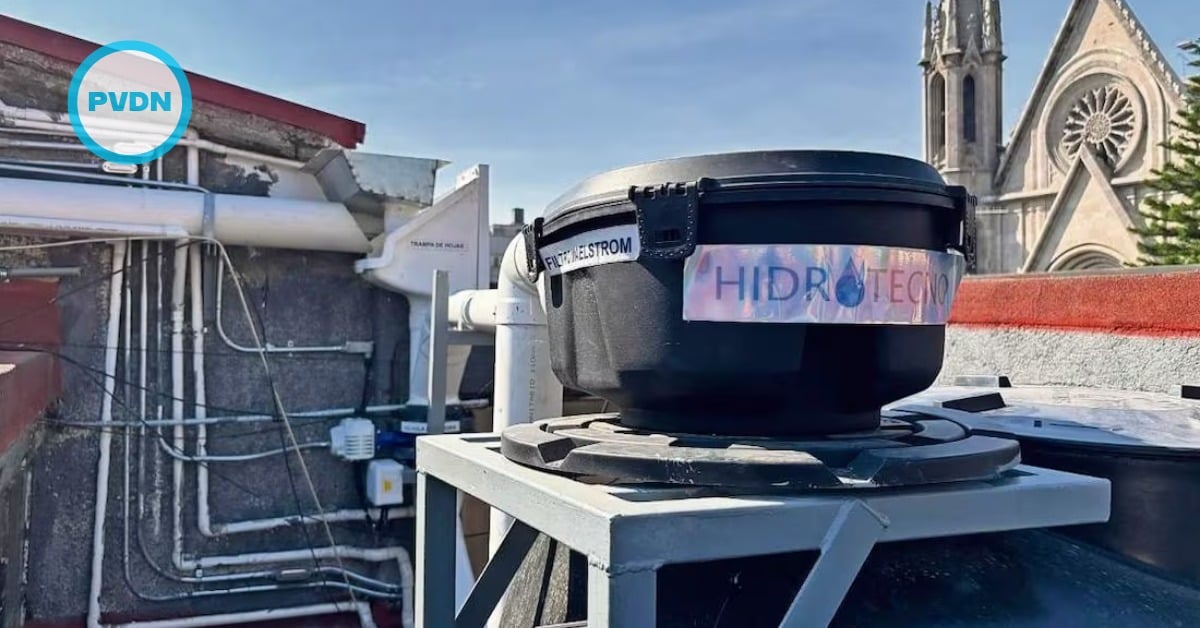
Mexico City’s Works and Services Secretariat plans to equip 21 public markets with rainwater systems by the end of 2025, a program valued at 20 million pesos. The upgrade began in March and now forms part of the capital’s broader push to make basic services less vulnerable to drought and infrastructure shocks. According to the brief, the Works Secretary will deliver to the local Congress that the city already had seven systems in place by August, spanning 5,950 square meters of collection area. Mixcoac, Beethoven, Morelos, and Martínez de la Torre are among the markets on the list.
The first install went live at Mercado Martínez de la Torre in Cuauhtémoc. City Hall’s technical note puts the rooftop capture area at 860 square meters, with an expected yield of about 630,000 liters a year once filtration and storage are factored in—enough to run the market on rain alone for roughly four months of the wet season, officials say.
This market-focused effort doesn’t start from zero. Mexico City has years of experience seeding household systems under Sedema’s Cosecha de Lluvia program, which scaled rooftop capture and basic potabilization block by block. What’s new is the move into large public markets—complex buildings with heavy daily water needs for cleaning, food prep, and sanitation. A dedicated project page from the Works Secretariat details that “maintenance and rain capture” are now bundled into the capital’s market rehabilitation playbook.
Scope matters. The city counts more than three hundred markets—Sedeco’s 2024 program materials reference 339 centros de abastos across the 16 boroughs—so outfitting 21 is a first pass, not a finish line. But it aligns with new capital investments under “Mercados que Florecen,” an initiative announced in October to rehabilitate 80 markets with 240 million pesos in works, parallel to the 20-million-peso rainwater systems line. The result is a layered policy: fix roofs and wiring while adding cisterns and gutters that capture rainwater.
Context also matters. This year’s rains refilled reservoirs dramatically. As of November 5, 2025, Conagua data reported Cutzamala at roughly 97.4% storage—its highest level in a decade—after a bruising 2023–24 dry spell. That rebound eases immediate pressure, but the Works Secretariat is right to call Mexico City’s water crunch “structural,” rooted in aquifer over-extraction, pipe losses, and a growing metropolis. Banking rain where it falls doesn’t fix everything; it does trim peak demand and adds resilience right where people buy their food.
By August, officials counted seven market systems installed and running. The expansion to 21 by December represents a modest course correction from March, when City Hall framed the phase as 20 markets. That extra site underscores how this policy has been evolving in real time as budgets and rehab schedules move.
What it changes on the ground
For vendors, the most significant difference is reliability. Many markets have lived with inconsistent pressure or outright dry hours, forcing expensive tanker deliveries and workarounds that cut into margins. A well-sized rooftop system with basic treatment can buffer those gaps, especially in the wet months when usage peaks and roofs do the heavy lifting. City communications emphasize four months of rain-only operation at Martínez de la Torre; that won’t translate one-for-one to every market, but it’s a tangible benchmark to measure against at sites with similar roof areas.
There’s a policy argument here, too. The capital has been pouring money into market upgrades—wiring, fire safety, drainage, structural fixes—after years of deferred maintenance. Folding in rain capture means each rehab dollar buys resilience, not just repairs. October’s announcement to fund 80 markets this year under the new program signals that political priority, while Sedeco’s broader plan keeps the whole network of markets—over 300—on the books for attention.
On water security, the timing is strategic. Cutzamala’s strong storage this fall is the best window to install systems and train staff before the next dry cycle; even with reservoirs near full today, the city’s history shows how quickly levels can slide when rains falter. In August, for instance, the system’s storage was reported at 67.9%, a relief compared to last year but still below comfort for a megalopolis. Building market-level buffers while the big system breathes gives neighborhoods a little more room when the dry season bites again.
If the rollout hits the mark—21 markets with capture and potabilization by December—the test will be simple: fewer water-related shutdowns, fewer tanker runs, cleaner floors, cooler heads. It’s incremental, yes. But in a city where millions of small routines add up to survival, catching the rain where people shop may be one of the smarter, easier wins the government can lock in before the subsequent shortage reminds everyone why these systems matter.