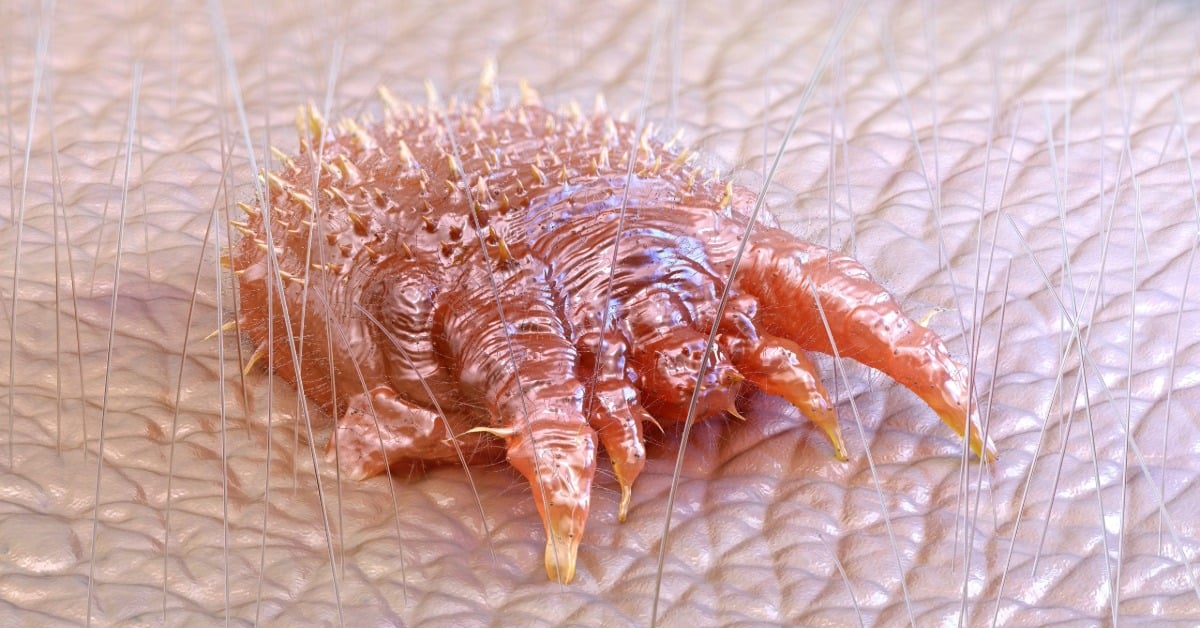
Scabies, a neglected parasitic skin disease, is surging in Chiapas. Fresh figures show 2,316 cases so far this year, putting the state at the top of Mexico’s tally. That number has more than doubled since mid-July and aligns with federal surveillance that tracks scabies week by week. Doctors point to tight living quarters, delayed diagnosis, and treatment gaps as drivers of spread. What does this mean for families, schools, and clinics in the state—and what works to stop transmission quickly? Our full report breaks it down with data and expert guidance.
Chiapas scabies cases
Chiapas now leads the country in human scabies, with 2,316 cases recorded so far this year, according to a health-desk note published on September 2. The outlet cites the federal epidemiological system that compiles weekly state totals. The figure is well above last year’s pace, signaling an apparent uptick.
Only weeks ago, Chiapas ranked second nationally with 1,015 confirmed cases through epidemiological week 27, accounting for roughly 17.4% of Mexico’s total at that point. That context helps explain the sharp climb to today’s number and why the state has moved into first place.
Mexico’s Boletín Epidemiológico—the federal week-by-week surveillance report—lists escabiosis (B86) among notifiable skin conditions and is current through week 34 for 2025. These bulletins serve as the backbone for the case counts cited by local outlets.
What is driving the surge
Scabies spreads through prolonged skin-to-skin contact. Overcrowded housing and limited access to timely care make transmission easier and control harder. Local coverage in July flagged those two factors explicitly while documenting the early rise in Chiapas. That assessment aligns with what dermatologists have observed in other regions experiencing spikes.
The disease is common worldwide and hits lower-income communities hardest. The World Health Organization classifies scabies as a neglected tropical disease, underscoring the social and economic burden when cases go untreated.
How scabies spreads and who is most at risk
The mite Sarcoptes scabiei var. hominis burrows into the skin, triggering intense nighttime itching and a rash. Households, schools, shelters, prisons, and long-term care facilities are typical settings for spread because close contact is frequent and sustained. Early recognition and treatment of the entire household or close-contact circle are critical to break chains of transmission.
Treatment, at home and at scale
Mexico’s clinical guidance lists permethrin 5% topical cream as first-line therapy and ivermectin as an effective oral option. For outbreaks in institutions or communities with high prevalence, evidence supports mass treatment strategies that medicate everyone in the exposure network at once to stamp out reinfestation. Programs that use ivermectin at scale have shown significant, rapid drops in prevalence.
For families, that same idea applies on a smaller scale: treat the patient and close contacts simultaneously, wash or isolate bedding and clothing, and schedule a follow-up to catch any persistent cases. These basics prevent the typical cycle of “getting better, then getting it again.”
What the numbers can and cannot tell us
The federal bulletin is reliable for trends but has limits. It aggregates preliminary reports and updates them weekly, so totals can shift as late data arrive. It also counts cases, not transmission settings. That means we know Chiapas has the most cases right now, but we do not yet have a granular picture of where the spread is most intense—households, schools, or specific municipalities. Still, the public trackers are up to date for late August, which aligns with this week’s local reporting.
Why this matters now
Chiapas is already managing other parasitic and vector-borne health pressures this year, and each one competes for clinic time, lab capacity, and outreach budgets. Recent human cases of myiasis in the state, though unrelated to scabies, illustrate the broader demand on public health teams in southern Mexico. When clinics are stretched, conditions like scabies can spread longer before being diagnosed and treated.
What to watch next
Watch for whether Chiapas health authorities announce targeted actions: school-based screenings, bulk purchases of permethrin or ivermectin, and public messaging that nudges entire households to treat together. In past outbreaks elsewhere, those steps shortened the curve. If case growth slows in the following few weekly bulletins, it will be an early sign that those measures are taking hold.