Highways went dark before sunrise, only to wake up burning. An overnight security sweep in central Chiapas set off road blockades, trucks ablaze, and bursts of gunfire that sent parents racing to schools. Officials confirmed joint operations but kept quiet on arrests, while residents pointed to a familiar name tied to the power struggle at the border. What happened on the ground today—and what it says about who runs the roads between Villaflores, Jiquipilas, Cintalapa, and Ocozocoautla—is bigger than a single raid. Here’s the sober, human-level picture.
The smoke started with dawn. By mid-morning, highways in central Chiapas were choked with burned trucks and cars, the air clipped by bursts of gunfire. A joint operation before sunrise by the Army, National Guard, and state police sparked a day of chaos as alleged members of the Cártel Jalisco Nueva Generación and its local arm retaliated with road blockades across the region.
Parents rushed to pull children from classrooms as word of the shootouts spread. In multiple communities near Cintalapa, residents described convoys of troops moving in, arrests at first light, and then exchanges of fire that rolled into the day. Classes were suspended and travel turned risky, with routes shut by flaming vehicles.
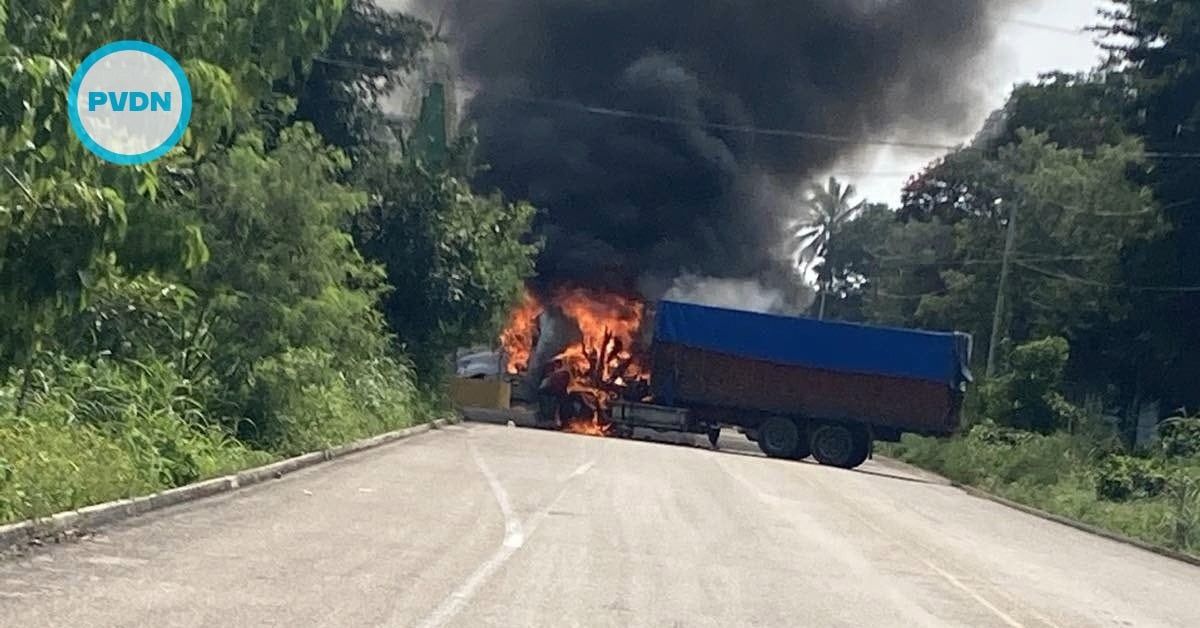
The blockades weren’t isolated or symbolic. Reports and images from the ground showed key arteries snarled in at least four municipalities—Ocozocoautla, Jiquipilas, Cintalapa, and Villaflores—effectively sealing off parts of the Fraylesca and Mezcalapa zones and interrupting movement toward Oaxaca. Local outlets documented stretches of the Jiquipilas–Arriaga toll road brought to a standstill after gunfire and vehicle burnings. As of early afternoon, closures and intermittent passage continued.
What we know so far
State and federal authorities confirmed an inter-agency security deployment but did not immediately publish specifics on arrests or casualties. On the ground, the picture was clearer than the official line: trailers and private cars were commandeered and torched to hold roads, while armed groups clashed with security forces across several points. Newsrooms in Tuxtla Gutiérrez and local correspondents in Villaflores and Ocozocoautla tracked the same arc—raids at dawn, retaliation by mid-morning, and highways blocked for hours.
Neighbors in Cintalapa repeatedly named a target. They said the operation aimed at Juan Manuel Valdovinos, known locally as “El Señor de los Caballos,” described in past coverage as a key CJNG operator in the state. Authorities have not confirmed that claim. Some regional outlets framed his possible detention as the trigger, while others reported only that he was the objective of the sweep. Until officials say otherwise, his status remains unverified.
In Villaflores, witnesses counted a dozen or more vehicles set ablaze to seal the city’s entrances and exits. Drivers were reportedly forced from their trucks before the fires. That tactic—shock, shutdown, and fear—mirrored previous cartel responses in Mexico when security forces move on high-value suspects.
CJNG Chiapas blockades and the border fight
The violence fits a longer border storyline. The CJNG and its offshoot, known as the Cártel Chiapas–Guatemala, have pushed into routes long fought over by rivals, exploiting the crossings and feeder roads that make Chiapas both a trade corridor and a smuggling lifeline. Earlier this fall, Guatemalan and Mexican cooperation led to the arrest of a suspected CCh-G cell boss nicknamed “El Peque,” a sign of sharper cross-border pressure. That pressure invites blowback when operations impact local command structures closely.
Reports over the past two years have traced how CJNG operators tried to burrow into Chiapas despite resistance from Sinaloa-aligned factions, turning towns into staging grounds and highways into leverage. Today’s blockades are part of that pattern: seize the road, freeze the state, send a message. None of it is new; it is only closer to the capital of Chiapas than many residents have seen in months.
For people living through it, strategy talk is beside the point. Families measured the day in canceled classes, missed clinic visits, and calls to relatives stuck on roads they no longer recognized. Truckers slept sitting up, engines off, waiting for a green light that might not come. Even as the government’s joint operation continued, locals weighed risk over every errand, a routine calculus in places where the line between “public road” and “private show of force” keeps blurring.
By late afternoon, authorities were still clearing burned hulks and reopening stretches where they could. The official accounting will arrive later, detailing the number of detainees, the number injured, and what was seized. The lived accounting has already been posted in thick black smoke over central Chiapas—and in the sudden quiet outside schools that never rang the final bell.