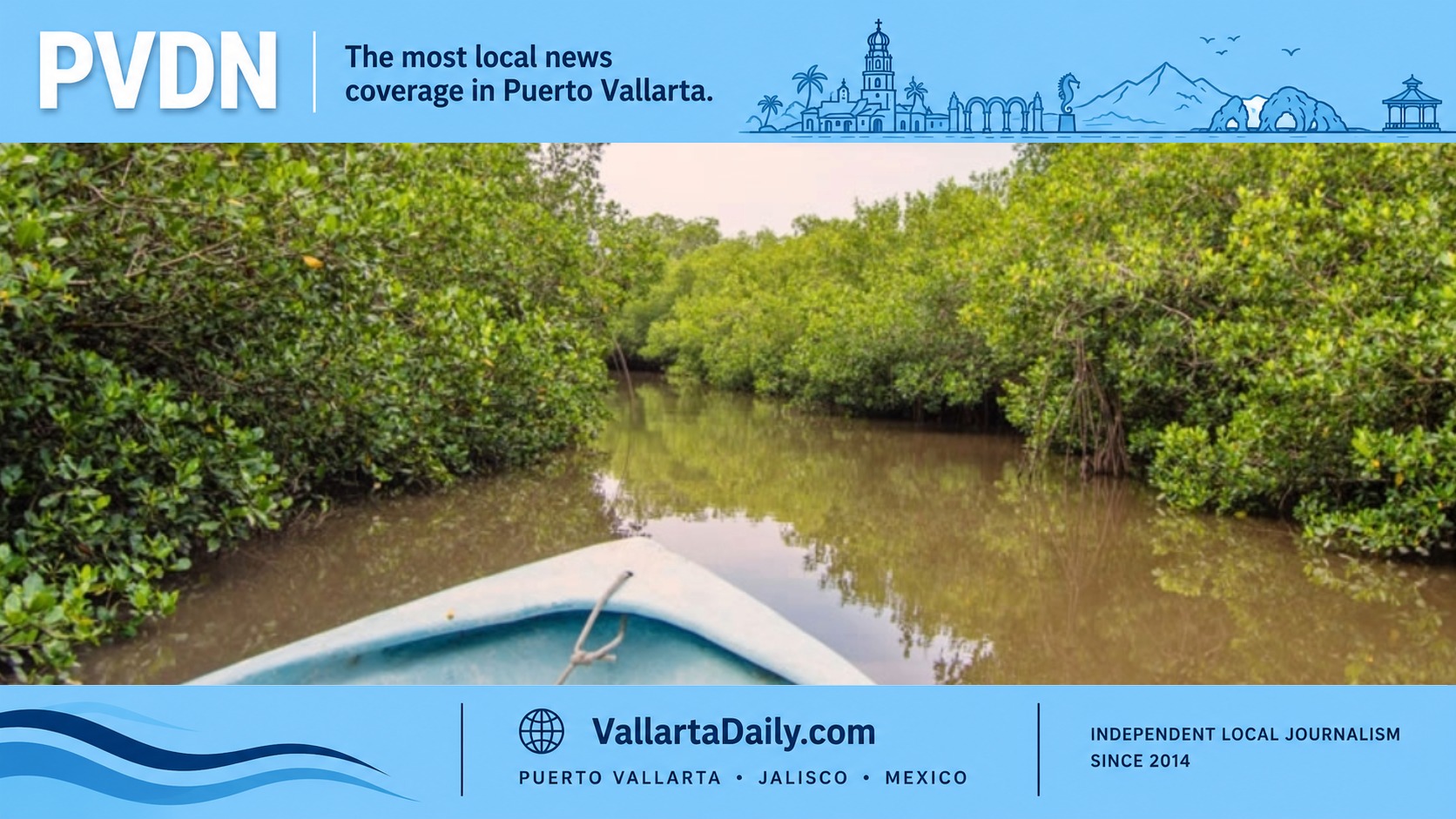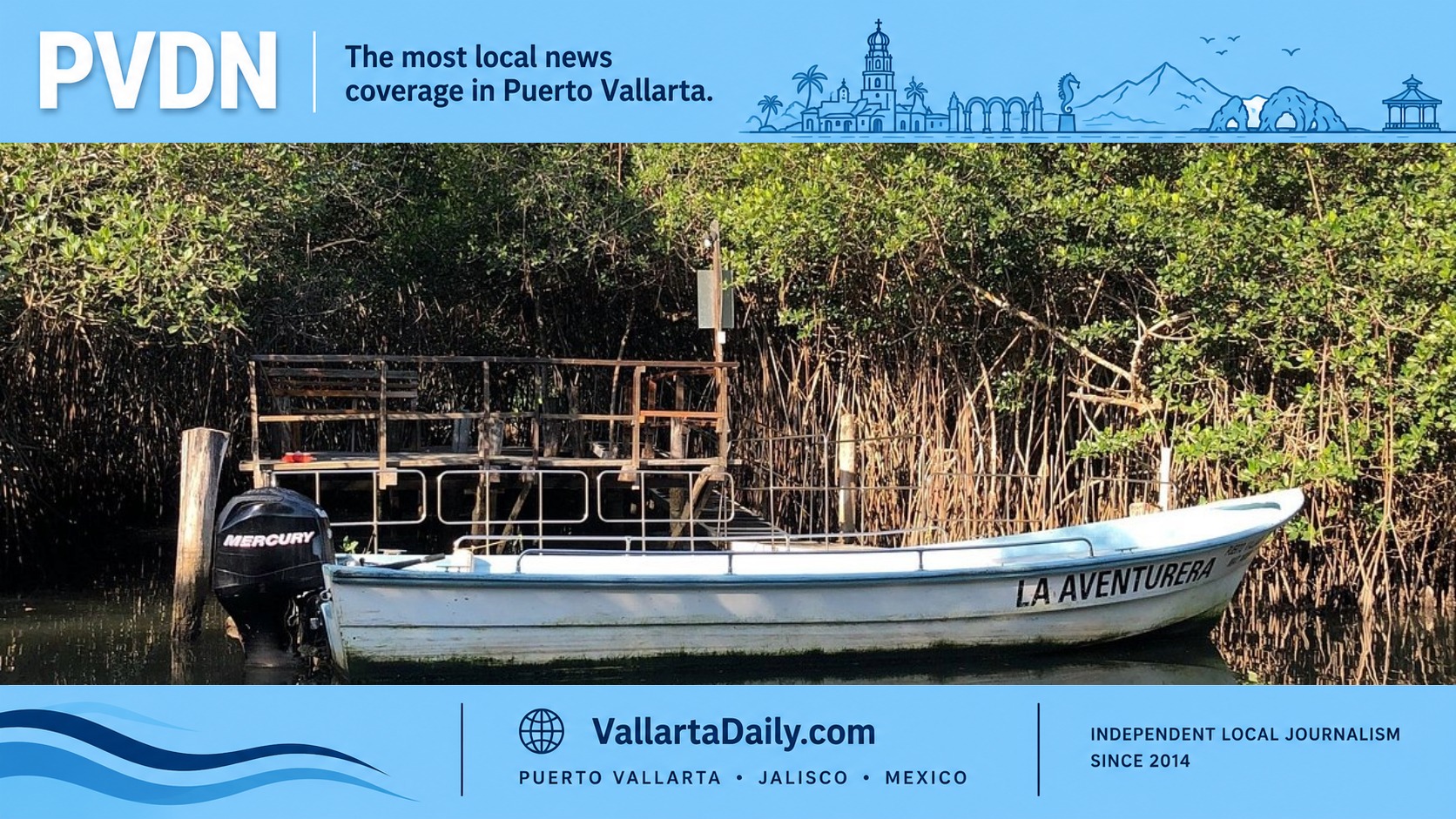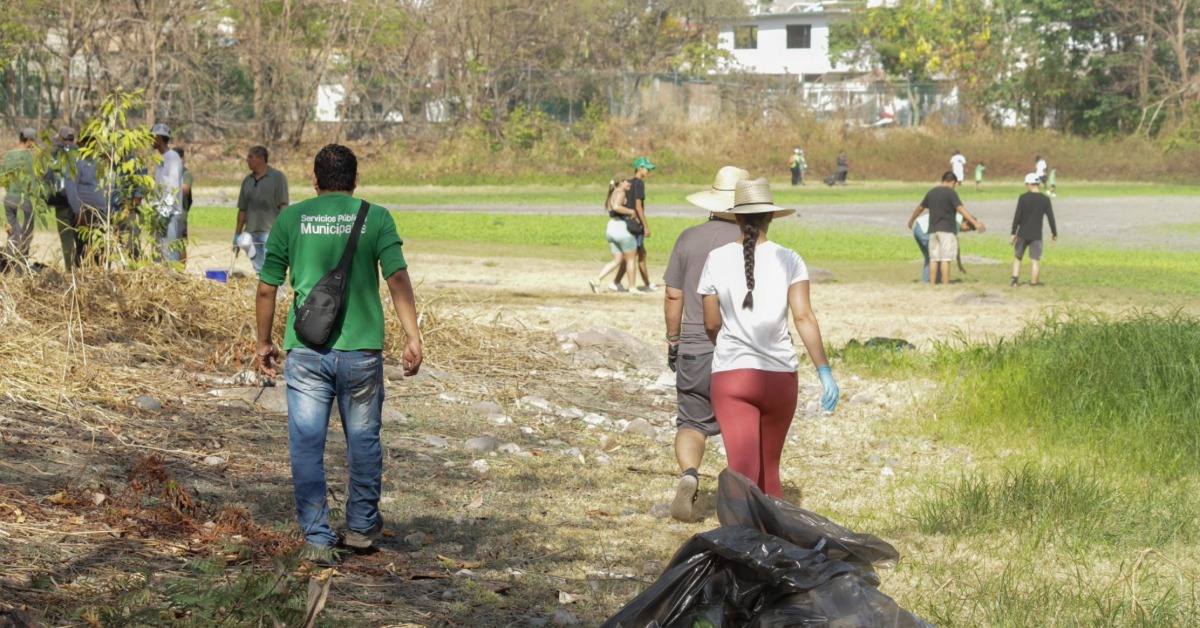
A cleanup at Laguna del Coapinole pulled far more than a few bags from the water’s edge. City crews, volunteers, youth staff, and conservation workers removed about half a ton of waste from the urban wetland, where earlier concerns about drought, turtles, and sediment had already put the lagoon back in the public eye. The work also brought a small wildlife rescue and another reminder that Coapinole’s problems are tied to daily habits around trash, water, and urban growth.
You won’t believe what crews found in Coapinole Lagoon
Puerto Vallarta’s environmental crews removed about 500 kilograms of waste from Laguna del Coapinole during a cleanup tied to World Environment Day, the latest intervention in a small urban wetland that has spent weeks under public attention.
The work was led by the city’s Dirección de Sostenibilidad Ambiental, which described the lagoon as a municipal natural heritage site in a cleanup notice published Monday. Crews collected solid urban waste and other materials that damage the ecosystem.
Workers also found a turtle during the route. The animal was rescued and moved to a safer site, according to the cleanup account. The public notice did not identify the species.
Roberto Ornelas, director of Environmental Sustainability, headed the cleanup. Regidor Christian Bravo Carbajal also joined, along with staff from the Dirección de Juventudes, and Indira Berroterán and Sebastián Flores of Estudiantes Conservando la Naturaleza A.C., as well as citizen volunteers.
City officials used the cleanup to repeat a simple warning. Do not dump waste in the lagoon. Do not disturb wildlife. Reports of environmental risks can be made at 322 688 2368.
A small lagoon under pressure
The cleanup came one week after officials and biologists addressed public concern over falling water levels. During that earlier briefing, Ornelas and Sebastián Flores Guerrero, who monitors the Casquito de Vallarta turtle program for Estudiantes Conservando Naturaleza A.C., described Coapinole as a “laguna urbana intermitente,” an intermittent urban lagoon that rises and falls with seasonal rain and drought.
Ornelas also said, “There is no evidence of a mass turtle die-off related to this situation,” according to the environmental briefing. The city’s position was not that Coapinole has no problems. It was that the low water level by itself was not proof of a sudden collapse.
Specialists pointed to deeper issues. Sediment has built up over roughly 20 years, reducing the lagoon’s ability to hold water. Authorities said they are working with SEMARNAT on supervised desilting work, while also planning cleanups, fence repairs, and mesh over grates to keep turtles from moving into traffic.
Turtles bring added attention to Coapinole
The rescued turtle was one small part of the cleanup, but turtles are one reason Coapinole draws attention beyond a routine public works note.
The lagoon sits within a narrow habitat story tied to the Casquito de Vallarta, or Vallarta Mud Turtle. The species, Kinosternon vogti, is listed as critically endangered by the IUCN Tortoise and Freshwater Turtle Specialist Group and is restricted to the Bahía de Banderas Valley in western Mexico. The same scientific profile calls it the smallest known turtle species.
Estudiantes Conservando la Naturaleza A.C., which joined Monday’s cleanup, says the Vallarta Mud Turtle survives in freshwater lagoons and floodplains, with fewer than 500 individuals estimated in the wild. The group also lists habitat loss, roadkill, illegal collection, fires, and displacement by exotic turtles among the threats.
Flores Guerrero previously explained that native turtles can enter estivación, a dormant survival state during dry periods. That allows them to remain buried for months with little need for water or food. The invasive red-eared slider, by contrast, has been documented in high numbers at the lagoon and is less adapted to those dry cycles.
Part of a larger city waste week
Days earlier, the city signed a collaboration agreement with WWF México to enter the Plastic Smart Cities program. Mayor Luis Munguía said the agreement commits the city to work toward “a cleaner and healthier Puerto Vallarta,” according to WWF México’s June 5 statement.
The agreement calls for a diagnostic of the points where plastics enter the natural environment and follows Puerto Vallarta’s move to join WWF’s Plastic Smart Cities. The Coapinole cleanup was smaller and more local, but it dealt with the same basic chain of waste, water, and habitat.
Coapinole has appeared repeatedly in local environmental discussions, including recent concern over low water levels at the lagoon and earlier reporting on how a drying lagoon can threaten endemic species.
The city said conservation of the lagoon requires ongoing attention, including keeping waste out of the area and respecting wildlife. Monday’s count put the latest haul at about half a ton.