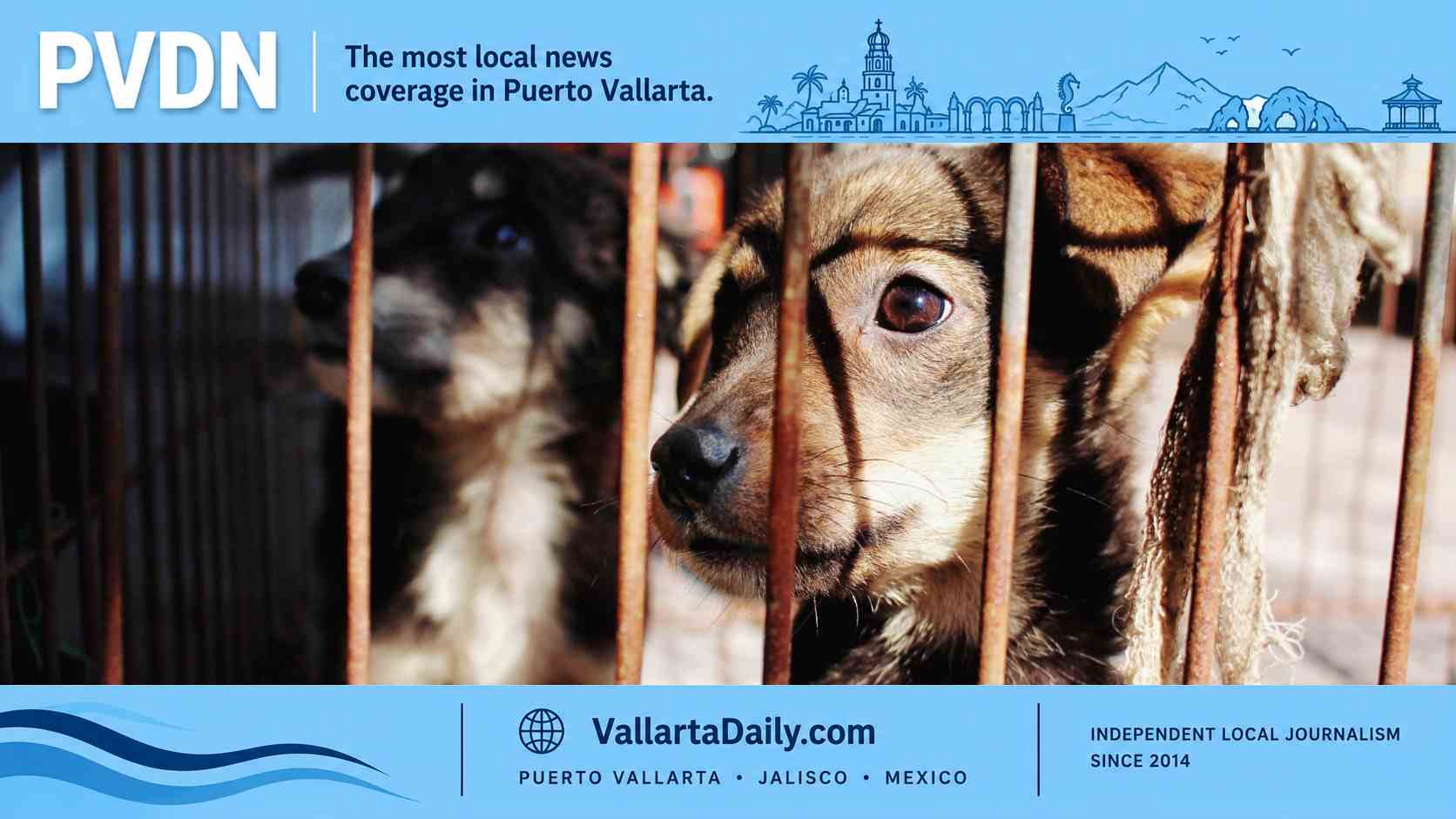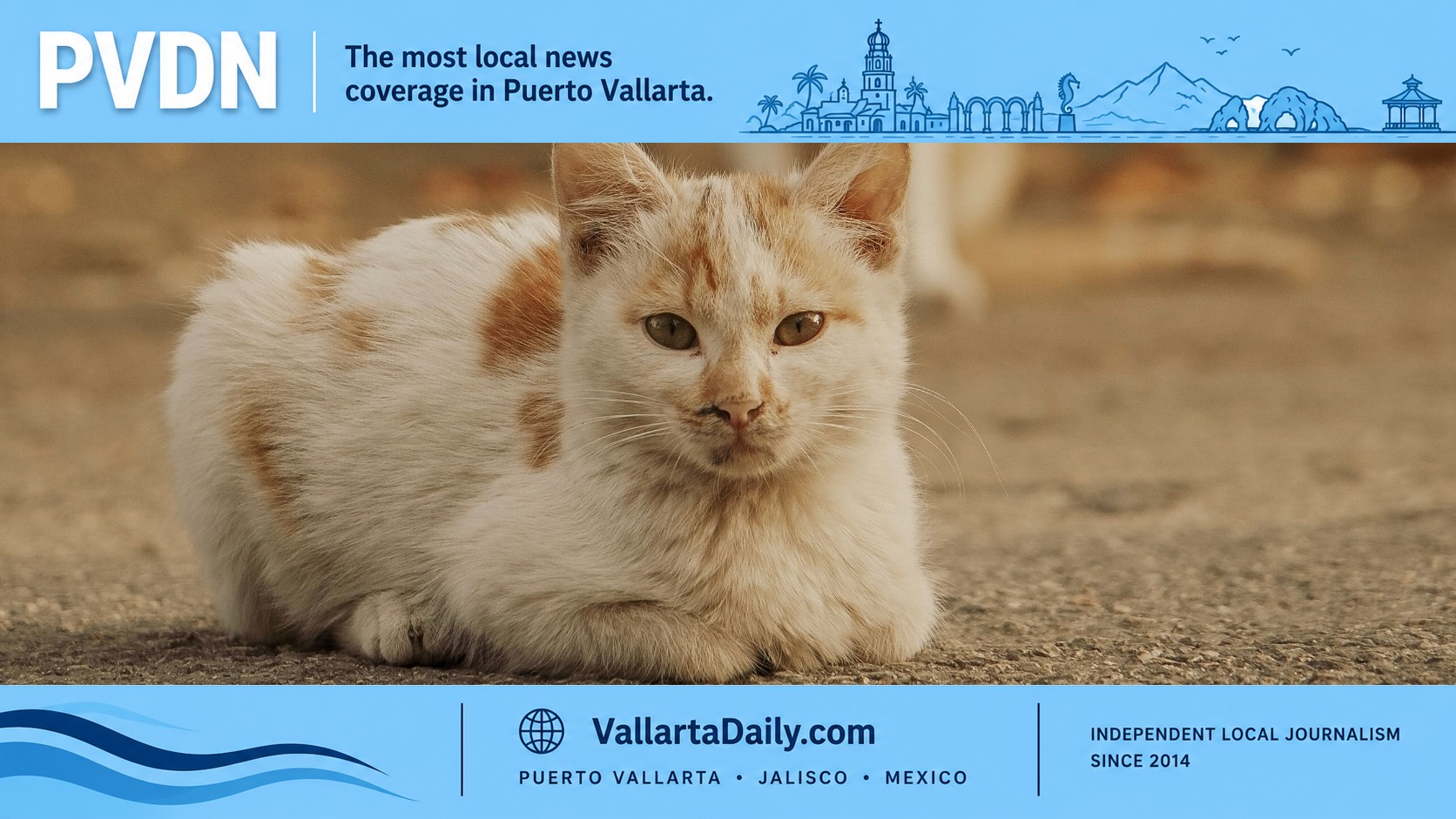
Puerto Vallarta, Jalisco, July 11, 2026 — Repeated dumping of kittens on Cuale Island is overwhelming volunteer rescue efforts and introducing domestic predators into a small urban habitat already shared by birds, iguanas, opossums, and other wildlife.
Residents who care for cats on the island said two boxes containing 11 kittens were abandoned about three weeks ago, the latest in a continuing series of litters left in the public space. Volunteers have been feeding cats, arranging veterinary treatment, sterilizing animals and seeking adoptive homes, but new arrivals repeatedly erase much of that progress.
The residents also reported finding cats killed after encounters with dogs that were allowed to roam off-leash. They previously organized informal patrols to confront people abandoning animals, but ended those efforts after arguments and threats. Signs asking people not to leave cats have not stopped the dumping.
The concentration of cats creates a second problem beyond the animals’ condition. Cuale Island is a narrow strip of vegetation between Centro and the Romantic Zone, rather than an isolated vacant lot. The same paths, trees, and riverbanks used by the cat colony also support nesting and feeding areas for chachalacas, smaller birds, reptiles, and mammals.
A University of Guadalajara study examining feral animals at the Estero El Salado offers nearby evidence of how domestic species enter Puerto Vallarta’s remaining wildlife spaces. Researchers recorded cats and dogs alongside native mammals and found cat activity peaked around dawn, when many birds and other animals are also active. The study reviewed extensive evidence linking feral cats with predation on birds, reptiles, amphibians and small mammals. It did not study Cuale Island directly, but it documents the ecological conflict already present elsewhere in the city.
Puerto Vallarta’s rules already address most of the conduct described by residents. The municipal animal-protection regulation in the city’s current rules directory defines abandonment as failing to provide an animal in one’s custody with housing, food, medical care, and other basic needs. It requires owners to control reproduction and keep animals restrained in public spaces.
The regulation states that a person unable to keep a pet must find alternative housing and care and may not abandon the animal. Complaints may be submitted by telephone, in writing or electronically, and municipal inspectors are assigned to investigate animal mistreatment and related violations. Available penalties include warnings, community service, fines, animal seizure, and administrative arrest lasting up to 36 hours.
The difficulty on Cuale Island appears to be catching offenders and stopping the arrival of new animals. Sterilization can slow reproduction within an existing colony, but it does not prevent someone from leaving another box of kittens the following week. It also does not eliminate predation by cats already living outdoors. A Puerto Vallarta wildlife specialist raised the same distinction in 2023, warning that sterilization alone would not end hunting pressure on native species.
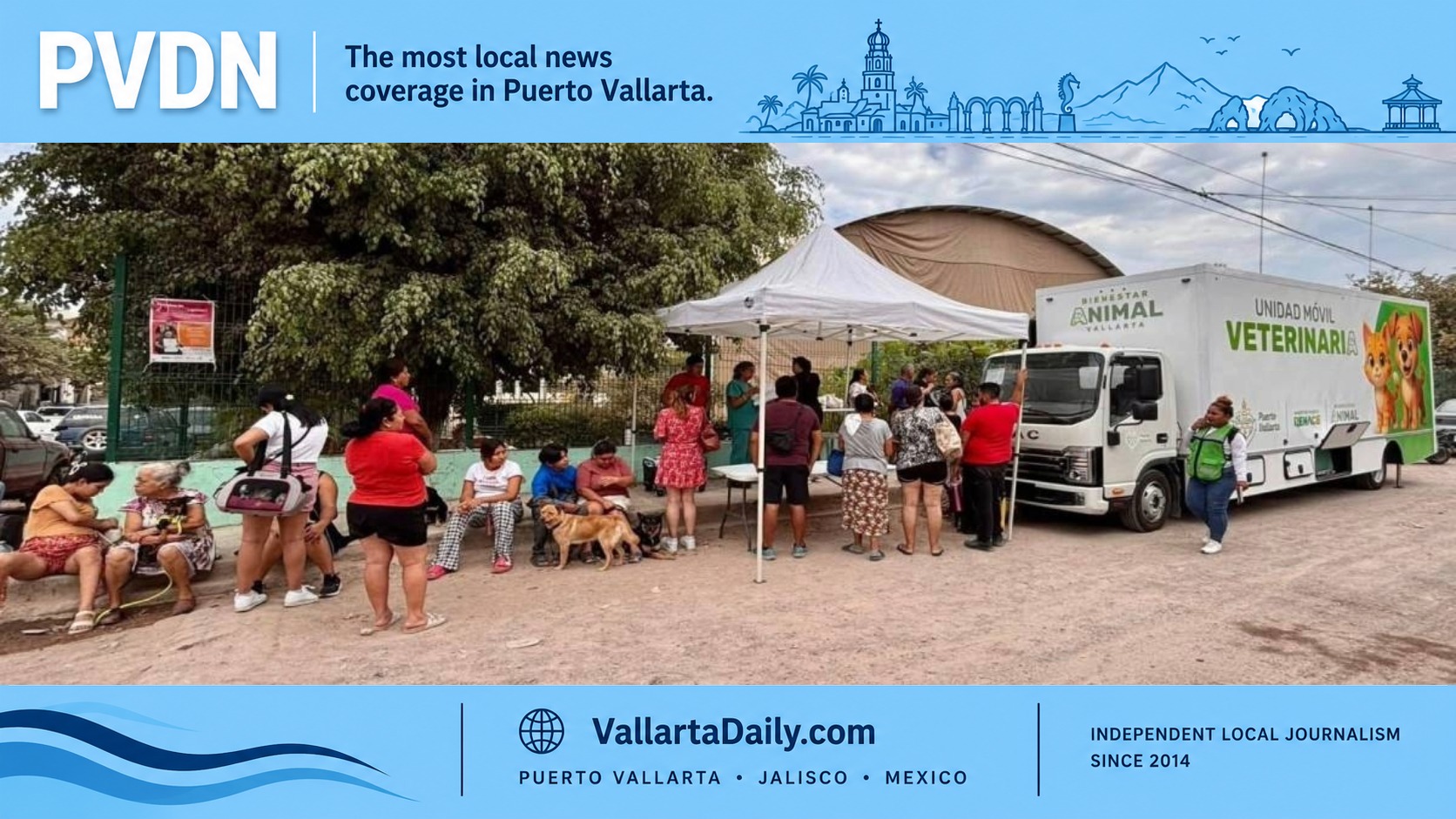
Municipal records show that Puerto Vallarta has expanded its broader animal-welfare work. The Animal Welfare Department reported 529 dog and cat sterilizations during 11 campaigns in the first three months of 2025. It also handled 120 public reports and issued 59 warnings during that period. The city continued operating its mobile sterilization unit in 2026, and Vallarta Daily reported its May clinic schedule.
The city has also moved ahead with plans separating shelter, veterinary and adoption functions, following years of crowding and deterioration at the existing municipal facility. Those projects could add capacity, but they do not replace an island-specific response capable of documenting the colony, removing adoptable kittens, coordinating sterilization, controlling loose dogs and identifying people who abandon animals.
No island-specific census, surveillance operation or management plan was visible in municipal notices reviewed early Saturday. Without action at the point where animals are being left, volunteers remain responsible for both the cats already living there and any new litter that appears.
People who witness an animal being abandoned can contact the Puerto Vallarta Animal Welfare Department at 322 380 2950 or [email protected]. Reports should include the location, time, description of the person or vehicle involved, and any photographs or video captured safely.