Tlajomulco de Zúñiga, Jalisco, August 17, 2026 – A blocked veterinary inspection led Jalisco prosecutors to obtain a court order and remove 20 dogs and cats from a crowded home in the Villas de San Gilberto subdivision.
The case began when municipal authorities detected numerous animals living with poor hygiene and possible overcrowding. A municipal veterinary team went to the property to assess their condition but was denied entry.
Officials then filed a complaint with the Public Ministry. Prosecutors requested a search warrant, which was approved by a judge and executed by agents assigned to the Vicefiscalía en Investigación Regional.
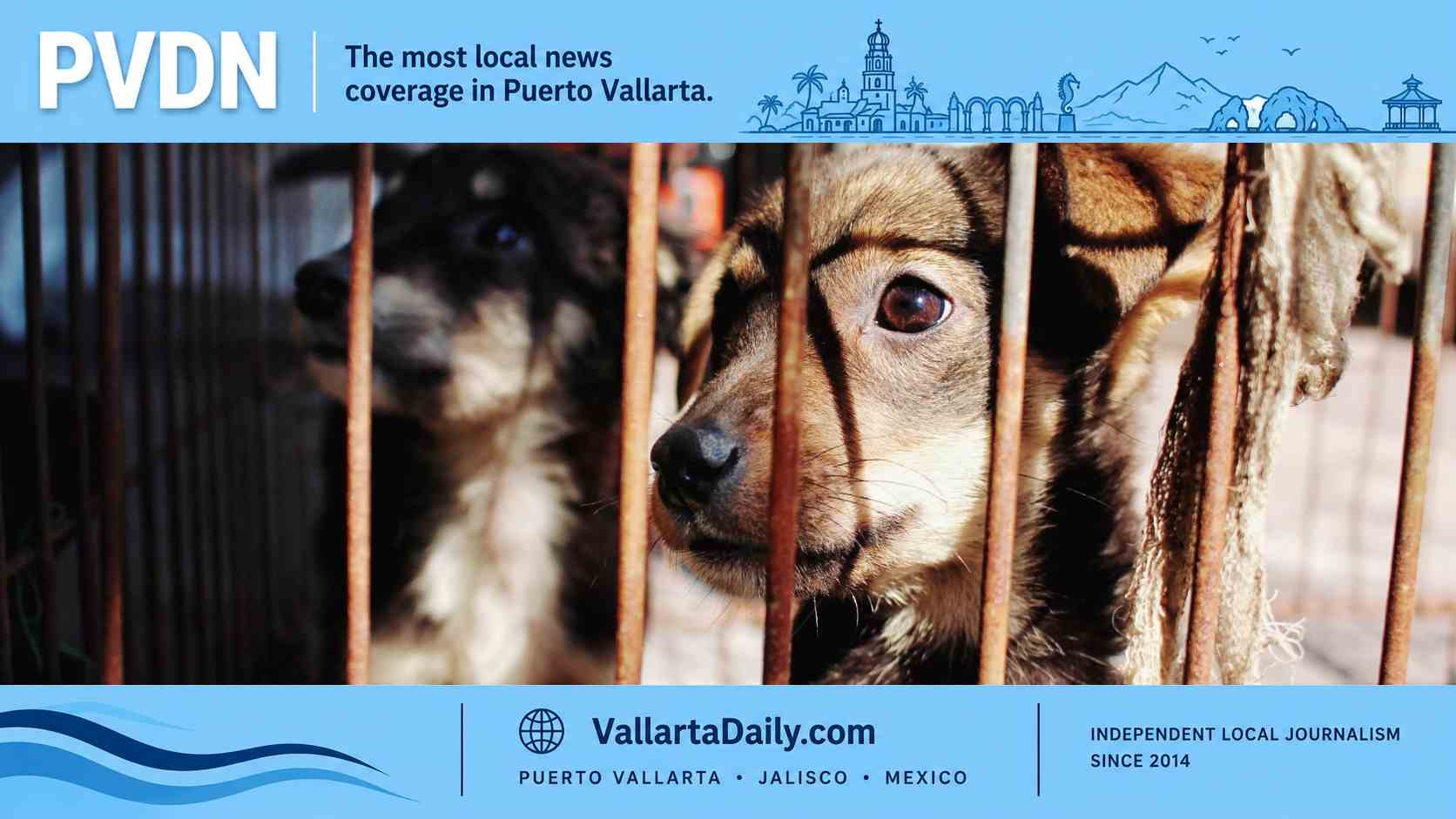
Inside the property, investigators found eight dogs of different sizes and 12 cats. Nine of the cats were kittens estimated to be about one month old. The animals were confined to a limited space surrounded by unsanitary conditions, according to details released after the search.
All 20 animals were transferred to Tlajomulco’s Dirección de Acopio y Salud Animal, where veterinary personnel assumed their care and custody during the continuing investigation.
The case moved from a municipal welfare inspection into the criminal system after veterinarians could not enter the private property. The complaint allowed prosecutors to present the reported conditions to a judge and seek legal authorization to inspect the home and remove the animals.
Jalisco law does not limit animal cruelty to acts of physical violence. Article 305 of the current state criminal code includes acts or omissions that cause pain, injury or damage to an animal’s well-being. It also covers failure to provide necessary veterinary attention and deprivation of air, light, food, water, shelter or space appropriate to the species when those conditions cause or could cause harm.
An intentional act causing injury without permanent loss of physical function may carry eight to 18 months in prison, a fine equal to 70 to 150 daily UMA units, and community service. Cruelty resulting in permanent physical damage or placing an animal’s life at risk may carry 12 months to two years in prison and a higher fine. The penalty can increase by half when the animals are under the accused person’s care.
This is the second publicly reported court-authorized animal rescue in Tlajomulco within a year. In September 2025, investigators removed 10 animals from a Rancho Alegre property after an anonymous complaint described a dog being struck with metal rods. Seven dogs, two roosters and a duck were recovered. Several dogs were malnourished, had skin problems or were restrained with chains.
Puerto Vallarta has also used photographs and witness reports to begin local animal-welfare proceedings. Images taken on Cuale Island helped municipal officials identify a woman accused of abandoning cats in July.
Puerto Vallarta’s Animal Welfare directorate lists 322 380 2950 and [email protected] as its public contact channels.