The Valley of Mexico just got rare good water news. After weeks of soaking rains, Cutzamala reservoir levels broke the 80% mark for the first time in years, reaching 82.86% by mid-September, according to Conagua. That number won’t flip a switch on rationing overnight, but it does ease pressure on a system that supplies a significant share of water to Mexico City and its suburbs. Officials are watching the trend, not a single day’s reading. Here’s what the new storage means—and what it doesn’t—right now.
The Cutzamala system has pushed past a psychological and operational threshold. After persistent September storms, storage reached 82.86%—about 648 million cubic meters—as of the afternoon of September 16, per the latest readings cited by media from Conagua’s dataset. Earlier this week it first cleared 80%, and the climb has continued.
That turnaround has been swift. In June, levels hovered around 48%, a drought-era hangover that fueled talk of “Day Zero” scenarios. By August 19, the system had recovered to 67.86%. On September 4 it stood near 75.5%, and now it’s cracked the low-80s—a pace of recovery not seen since 2018, according to contemporaneous comparisons. The rain helped, but so did operational work on the network, Conagua has said.
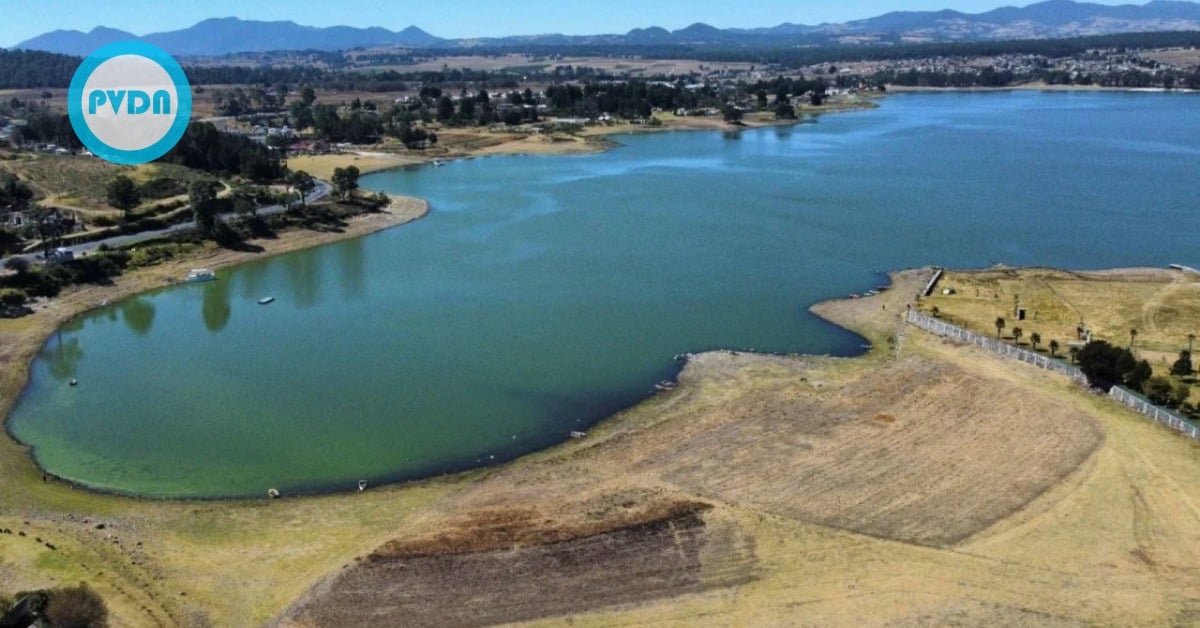
Cutzamala reservoir levels
The system’s core storage sits in three dams—Valle de Bravo, Villa Victoria, and El Bosque—which feed potable water to the Valley of Mexico through aqueducts and plants. Snapshot checks this month showed each reservoir improving, with Valle de Bravo leading the rebound. Exact shares fluctuate daily, but the system as a whole is what matters for the taps.
Why this matters at the sink: Cutzamala typically supplies about 20%–25% of the water used across Mexico City and parts of the State of Mexico. When storage increases, it provides operators with more room to stabilize flows and ease rotations, particularly when combined with local sources and wells. Today’s figures don’t end scarcity across the board, but they lower the risk of intricate cuts if rains keep feeding the system.
What 82 percent means for households
There is no citywide policy change announced as of Wednesday, September 17. Several boroughs still manage service by rotation, and schedules can vary by block and pressure zone. Residents should check SACMEX’s “Agua en tu Colonia” tool for the current status in their neighborhood; it’s the city’s live view of how water is being routed. Watch official channels for any updates before assuming that an 80-plus reading means instant normal.
Short-term outlook: Forecasts call for lingering rains, which would support continued inflows. Media tracking Conagua’s sheets note the upward trend this week, and comparisons with last year highlight how exceptional this rebound is. Even so, hydrologists warn that conservation and leak control remain non-negotiable; one wet season doesn’t erase multi-year deficits.
Cutzamala reservoir levels crossing 80% is real relief after a brutal stretch. It buys time, steadies planning, and could pave the way for gentler rotations if the rise holds. But the practical test is what comes out of the tap—borough by borough—and that still depends on daily operations as much as a single headline number.