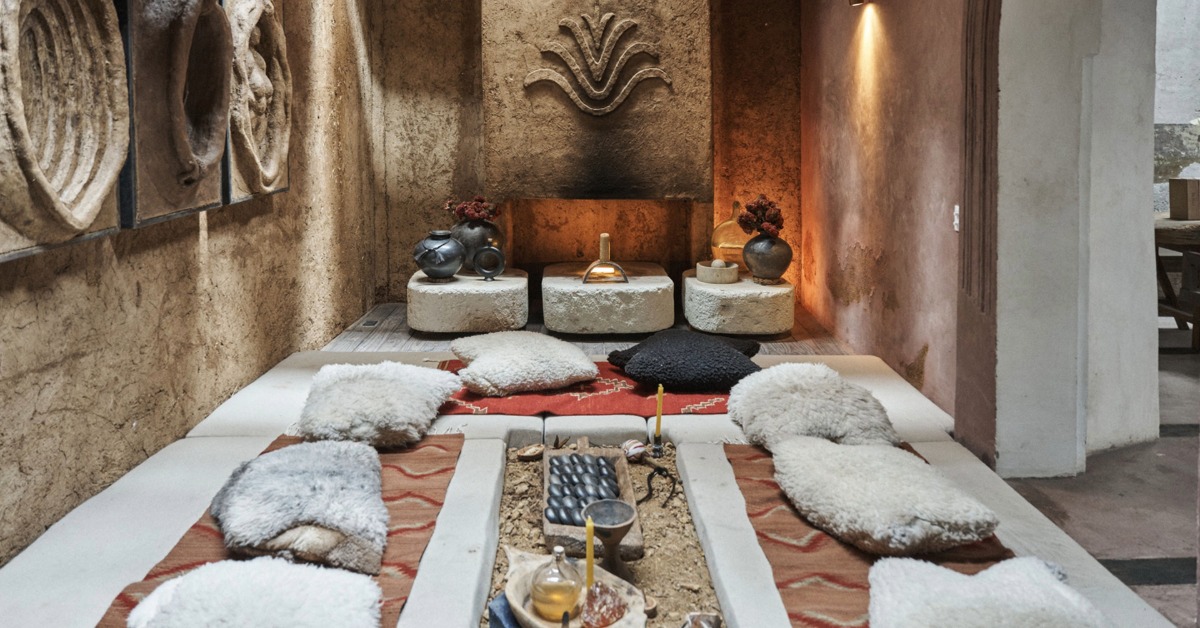
Mexico’s hotel and real-estate pipeline is changing, with money going to projects before they open. A growing share is moving into interiors, architecture, equipment, wellness concepts, and sustainability claims designed to set one tower or hotel apart from another. The trend may help suppliers, designers, and developers. It also sharpens a familiar problem in coastal markets such as Puerto Vallarta, where better finishes do not answer harder questions about permits, services, labor, and the pressure that new projects place on neighborhoods.
Design moves closer to the money
Mexico’s design market is moving deeper into real-estate and hotel development as builders look for ways to make projects stand out beyond location, views, and square footage.
A May 29 market report tied that shift to the growth of real estate, corporate, commercial, and hospitality projects. Suppliers of architecture, interiors, and equipment are being pulled closer to business decisions as developers try to add value before a property opens.
The discussion took place during Hábitat Expo 2026, held May 28 through 30 at the CIEC World Trade Center in Mexico City. The event said more than 200 exhibitors would present products and services to about 12,500 visitors across three days. Its program included interior design, architecture, hospitality furniture, design talks, and specialized pavilions.
“Design can no longer be understood only through aesthetics,” Marcos Gottfried, director general of Tradex, said during the opening, describing it as a tool for economic value and more memorable spaces.
That language matters because it places interior design, equipment, and architecture inside the financial logic of a project. It also raises the bar for claims. A lobby, rooftop pool, or wellness concept can help sell a hotel room or condominium. It cannot replace clear permits, viable infrastructure, or sound building management.
Hotels are pulling the market
Hospitality is one of the strongest forces behind the trend. Figures presented at Hábitat Expo indicated that Mexico accounted for more than 35 percent of Latin America’s hotel pipeline and had more than 120 new hotels projected through 2026. The same presentation put the national hotel pipeline at 257 projects and 38,669 rooms as of the close of the fourth quarter of 2025.
Federal tourism data show why the sector continues to draw attention. DataTur reported 8.2 million international tourists from January through February 2026, up 6.5 percent from the same period of 2025. Tourism revenue from international visitors reached 6.7 billion dollars, up 2.2 percent. Hotels registered 13.7 million national and international tourists in rooms during the same two-month period.
Investment figures are more complicated. DataTur’s tourism foreign direct investment indicator recorded 3.02 billion dollars in tourism FDI during 2025, equal to 7.4 percent of Mexico’s total foreign direct investment. The same methodology notes that the indicator does not show whether the money went to paying liabilities or creating assets. That limits how far the figures can be read as proof of new construction.
Tourism Secretary Josefina Rodríguez Zamora said in April that Mexico receives tourism investment “with open arms.” She also described a national portfolio of 773 tourism investment projects worth 42 billion dollars.
Those numbers help explain the pressure on design suppliers. Developers are competing in a market where buyers and guests are being sold wellness, sustainability, local identity, and curated interiors. The risk is that those words become sales copy before they become measurable standards.
Puerto Vallarta is already in the argument
Puerto Vallarta sits inside that national trend, even when the design conversation begins in Mexico City.
The city has already seen major mixed-use and hospitality projects pitched around higher-end living and tourism demand. Earlier coverage of the Thompson Hotel & Residences project described a $250 million development in the northern hotel zone with 130 condominiums, 85 hotel suites, five penthouses, 28 furnished apartment units with hotel-rental service, and six garden houses.
That kind of project is exactly where design, furnishings, finishes, lighting, hospitality equipment, and operating standards become part of the real-estate product. A buyer is not only purchasing space. A hotel guest is not only purchasing a bed. The package is increasingly sold as a managed experience.
But Puerto Vallarta’s recent development debate has not centered on finishes. It has centered on the rules behind the buildings. Earlier reporting on the Las Cocinas tourism project showed how a 2009 environmental authorization became central to questions over the Pendry and Montage projects near Playa Las Cocinas.
Operations are another pressure point. A local condo-sector training agreement announced this year focused on building managers as housing and tourism growth reshape daily management. That story points to a less glamorous side of the same market. Once a building opens, design has to meet maintenance, staffing, waste, water, security, and owner expectations.
Added value has limits
The design sector has reason to expect more work. Hábitat Expo figures said Mexico’s interior design market reached about 3.45 billion dollars in 2023 and could exceed 4.5 billion dollars by 2032. The luxury interiors segment was valued at 892.3 million dollars in 2025, with projections above 2.01 billion dollars by 2034.
Those forecasts point to a profitable supply chain. Furniture makers, architects, lighting companies, kitchen suppliers, decorators, landscapers, technology firms, and equipment providers all stand to gain when hotels and residential projects compete through experience.
The harder question is what counts as added value. In a mature destination, better design can improve comfort, extend a building’s life, and reduce operating waste when tied to real materials, maintenance plans, and energy decisions. It can also become a thin layer over the same problems if it is used mainly to lift prices.
Puerto Vallarta’s real estate and hotel markets will continue to hear the language of wellness, sustainability, and local identity. Buyers and guests will hear it too. The test is whether those claims show up in permits, construction quality, service planning, and long-term operations, not only in renderings.