Monterrey’s remembrance season is in full swing, with neighborhood altars, candlelit music, and museum nights filling the week through November 2. The big Calaveras parade around the Macroplaza is done. However, the heart of the celebration is still ahead: free programs at CONARTE, monumental altars, and family activities from the Centro to the suburbs. If you missed the weekend crowds, this is the moment. We mapped what’s on, what’s free, and why locals say these nights matter.
The city’s most intimate days of remembrance are landing right now, and they’re built for families, neighbors, and anyone willing to slow down and look. Día de Muertos in Monterrey isn’t just one parade; it’s a week-long mesh of ofrendas, music, and workshops stitched through museums and public squares. Milenio’s agenda confirms a dense run of altars, concerts, and kid-friendly activities around the metro, from the Macroplaza outward. You can use that as your base plan, then add the free cultural stops locals swear by.
Día de Muertos in Monterrey
If you missed Sunday’s Calaveras parade looping the Macroplaza—Zuazua to Washington to Zaragoza and back—don’t sweat it; the celebration didn’t end there. City traffic advisories and local broadcasters mapped the route and closures well in advance, and those same plans opened a calmer week for museum nights and neighborhood altars. The schedule now tilts toward slower experiences: walking the ofrendas, catching string ensembles after dark, and showing kids how to build a simple altar at home. For orientation, see the previously announced route and timings reported by local outlets, then pivot to what’s still on the calendar.
What’s still ahead across the metro
The free playspace this week is inside the public culture network. CONARTE’s program invites families to workshops, readings, and guided visits at state venues, keeping costs out of the equation and maintaining a welcoming tone. These are the stops where you’ll hear kids ask honest questions and see grandparents explain the marigolds. Pair that with the extended ofrendas at the Museum of Mexican History and satellite spaces, where organizers emphasize memory as a living practice rather than a photo backdrop. It’s a different pace than parade day, and that’s the point.
For readers planning after-work outings: expect altars and live sets to run into the evening, with security and first-aid presence noted by city officials during the larger events window. If you’re bringing small kids, arrive on the early side—before the candle crowds—and keep snacks and water handy. If you want a signature photo, wait for the blue hour, when the ofrendas shift from bright to glow. And if you’re looking beyond the center, remember that suburban municipalities have their own programming; check their culture pages the day you go, then follow the marigold paper trails to the main squares.
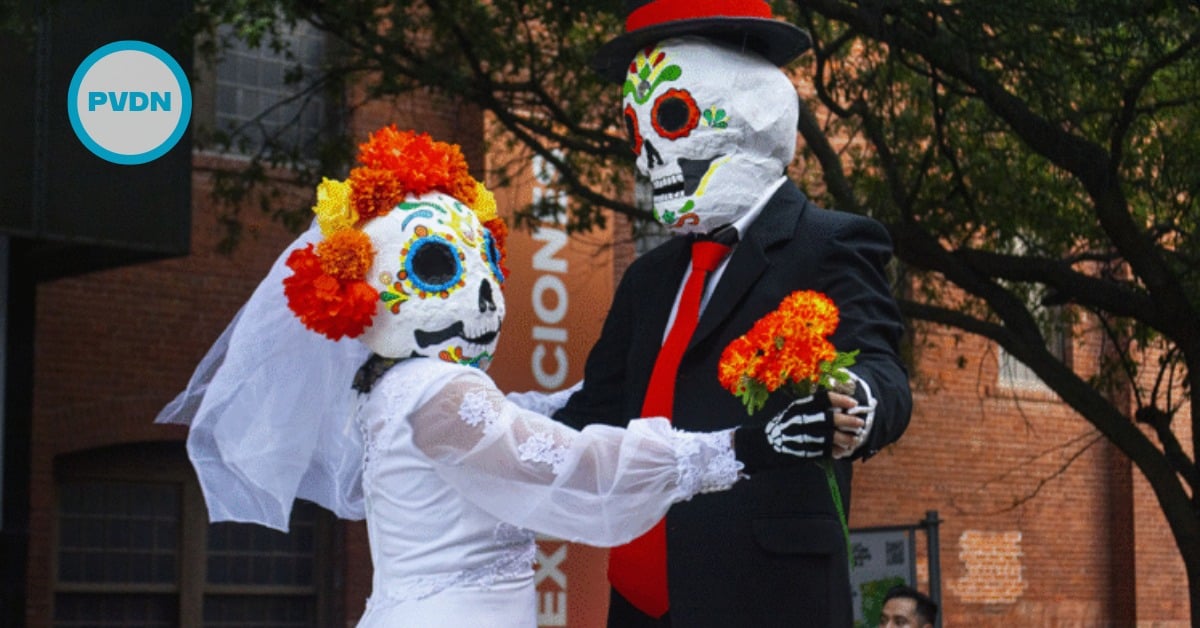
If you still want spectacle, you can get a taste without the crush. Organizers say this year’s parade featured dozens of comparsas and more than a dozen floats, and that energy spills into smaller plaza shows and pop-up music through November 2. The art direction—alebrijes, catrinas, and a sea of cempasúchil—echoes in pocket events scattered around the metro. Pick one close to home and make it your neighborhood night.