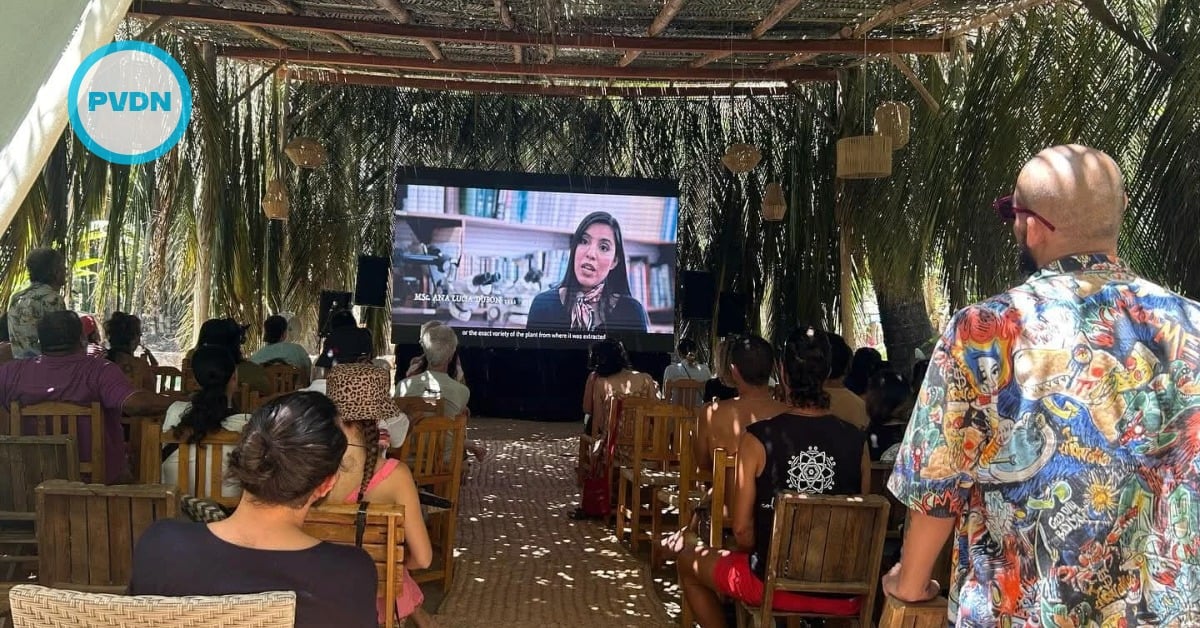
Tulum will host a free, three-day celebration of cinema and community from November 14 to 16 at Parque Dos Aguas, where organizers plan to screen 11 films alongside talks and workshops. The event is billed as the seventh edition of the Festival de Cine Consciente, an independent platform that blends art with environmental and social action. Attendance is open to all ages and free of charge, turning the central plaza into an outdoor venue.
Tulum Festival de Cine Consciente
The festival’s mission is to fuse film, sustainability, and local participation to spark real change. Organizers frame cinema not just as entertainment but as a gateway to immediate, practical solutions that communities can own. This year’s conversations lean into themes like water, territory, and food sovereignty—issues that resonate across the Riviera Maya and the wider Yucatán Peninsula. The official site describes the project as a traveling, community-rooted platform built to generate ecological awareness and collective healing.
Programming details were still rolling out as crews prepped the square, but the team confirmed that screenings will be free and accompanied by post-film dialogues, skill-sharing sessions, and spaces for local groups to connect. Organizers have pushed to keep the footprint light and the infrastructure re-usable, with energy-savvy rigs and minimal set builds designed for quick assembly and teardown. The tone is informal and participatory: less red carpet, more community hangout.
A core piece of the plan is the “Cinema Palapa,” an open-air, sustainable cinema setup the team hopes to pilot in Tulum and continue to use for future community events. Volunteers are being recruited to help build and run the space—everything from shade structures to seating—so the festival becomes a living workshop on public, low-impact cultural infrastructure. That approach reflects a years-long pivot in Tulum’s cultural scene toward grassroots venues that can survive beyond a single weekend.
Municipal officials have backed the event with a public press conference, signaling support for crowd access and logistics around the central park. That buy-in matters in a town where public space is a daily debate, and it gives organizers a chance to test what a sustainable, open-door culture can look like downtown at night. If the pilot works, it’s a model that could travel across neighborhoods.
What comes after the weekend
The seventh edition runs in Tulum this week, but the festival’s season doesn’t end here. Organizers say the 2025–2026 circuit continues with a stop in Yelapa, Jalisco, scheduled for January 30 to February 1, 2026, extending the same community-first format to the Pacific coast. The circuit approach—small, free, and rooted in place—mirrors how many independent Mexican festivals now operate to keep culture accessible and responsive to local needs.
What’s clear is that Tulum isn’t just hosting a film weekend. It’s trialing a public-space blueprint where neighbors can gather, learn, and leave with something useful—contacts, skills, or simply a new way to see their own town. If the plaza feels different after the credits roll, that will be the festival’s real measure of success.