A regional health count has put Puerto Vallarta on Jalisco’s screwworm map, with seven confirmed cases within a broader cluster along the coast and the sierra. The numbers are still limited, but the warning has moved beyond ranches. Pets, livestock, and untreated wounds are now part of the same conversation, and state health officials have already confirmed one human infection elsewhere in Jalisco. The question now is how quickly animal owners and clinics spot the next wound.
Puerto Vallarta logs seven screwworm cases in Jalisco
Puerto Vallarta is now listed as having seven confirmed gusano barrenador cases within Jalisco’s Health Region 8. That regional count has reached 43, according to a June 8 regional update published at 11:07 a.m.
The same count listed eight cases in Talpa de Allende, five in San Sebastián del Oeste, and four in Tomatlán. Authorities urged sanitary controls to slow the spread of the larva, which can affect livestock, pets, wildlife, and, in rare cases, people.
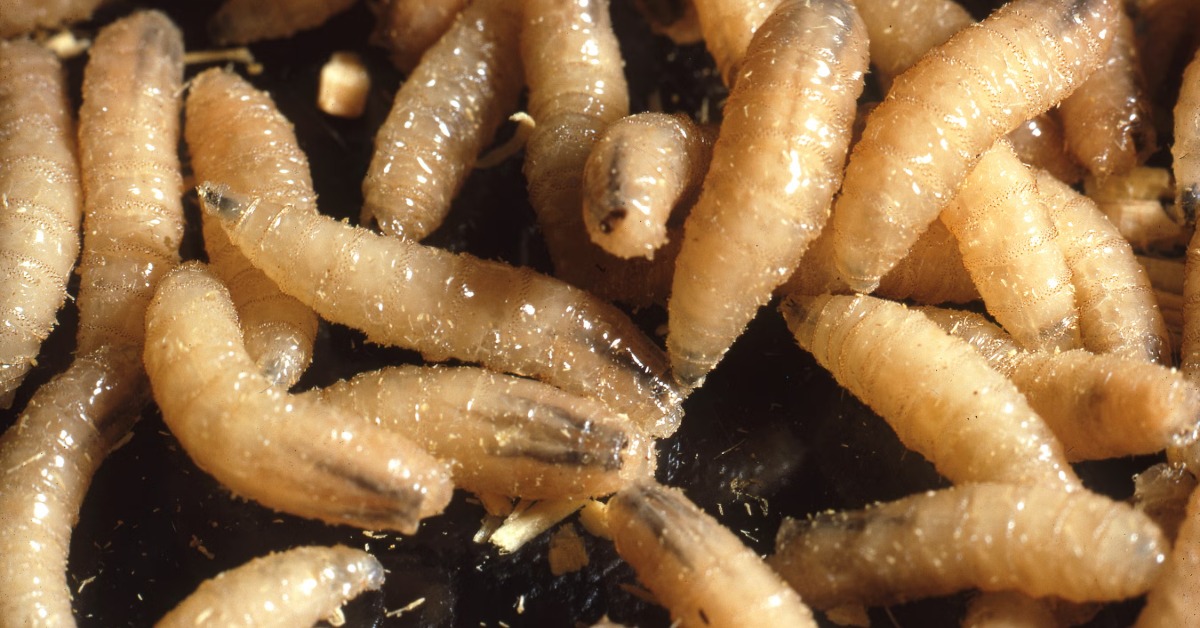
This is mainly an animal-health alert, but it has a public-health edge. The New World screwworm is not a stomach worm or a rash. It starts when a fly lays eggs in an open wound or body opening. The larvae then feed on living tissue, worsening the injury and raising the risk of bacterial infection.
Jalisco already has one confirmed human case
Jalisco Health Secretary Héctor Raúl Pérez Gómez confirmed the state’s first known human case in late May. The patient was a 47-year-old man from Pihuamo who has diabetes. He was treated in Colima because of the town’s proximity to that state.
Pérez Gómez said the patient was “stable” and expected “a good recovery,” according to a May 27 account of the case. The health secretary said the man had a wound on his left leg that became contaminated with miasis, the medical term for an infestation by fly larvae.
That case was in southern Jalisco, not Puerto Vallarta. Still, it shows why officials keep tying animal surveillance to wound care. The risk to most people remains lower than to animals, but untreated wounds quickly change the calculation.
What animal owners are being asked to watch
Animal health officials in Jalisco have been asking owners to closely monitor animals, especially after cuts, surgery, tick bites, or other wounds. A May update from the state animal-health agency said that screwworm in pets had become the second-most-affected category nationally. It listed 12 cases in Jalisco at that cut-off and urged owners to clean and treat wounds to allow them to heal.
The same message applies to ranches, shelters, and homes with dogs or other animals that spend time outdoors. A wound with movement, odor, bleeding, or larvae requires veterinary care, not home treatment.
Federal tracking used by Senasica counts a screwworm case as active at the time of diagnosis. After 15 days, personnel revisit the case and mark it inactive only if they verify that there are no new wounds or larvae, according to the current screwworm status page maintained by U.S. animal-health officials.
The local file was already open
Puerto Vallarta had already seen local concern last summer, when a possible screwworm case in a dog in Puerto Vallarta drew attention to how quickly a neglected wound can become serious.
The city recently backed a new shelter and animal center, a project tied to disease control, animal care, and safer handling of stray animals.
The problem also reaches beyond clinics. Screwworm controls have already touched Mexico’s cattle trade, including earlier export disruptions tied to screwworm cases in other states.
How the larva spreads
The CDC says the outbreak has moved north through Central America and Mexico since 2023, affecting livestock, pets, wildlife, and people. Its guidance begins with a simple line, “Keep open wounds clean and covered.”
The agency also warns that people should seek medical care if they see or feel larvae in a wound. No one should try to remove larvae at home, and suspected animal cases should go to a veterinarian or animal-health authority.