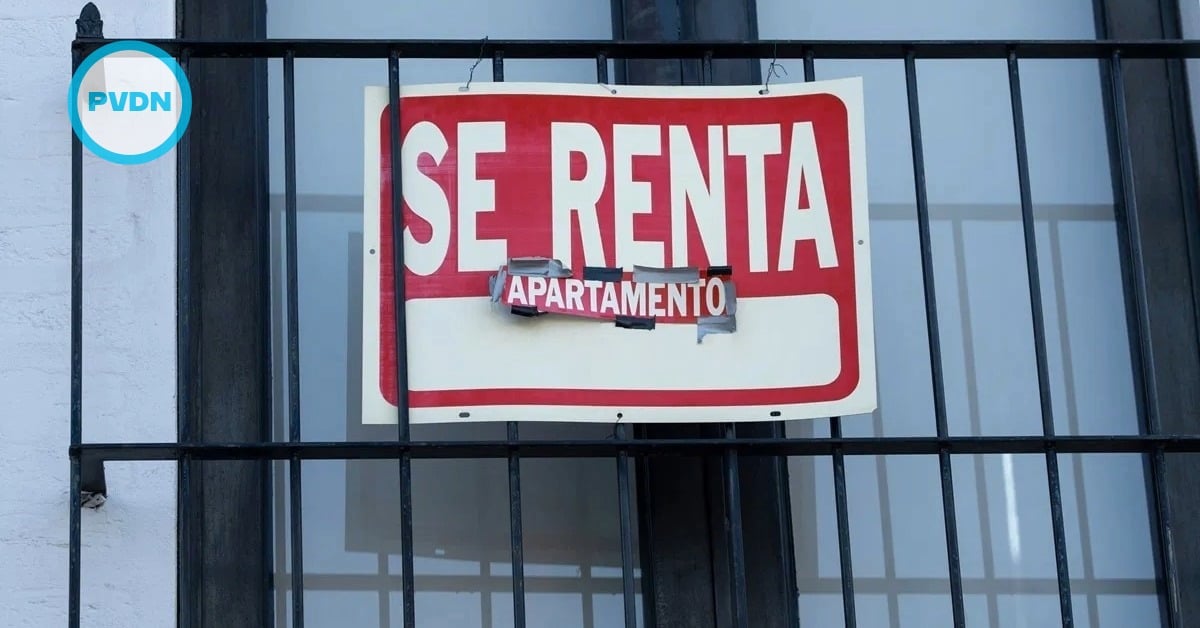
Puerto Vallarta’s rental market can feel chaotic even when everyone is honest. Good apartments disappear quickly. Prices vary wildly by neighborhood, season, view, building age, and whether the place is furnished. A studio in 5 de Diciembre, a hillside condo in Amapas, and a family house in Pitillal are not playing in the same market.
That confusion gives scammers room to work.
Most rental scams in Puerto Vallarta are not sophisticated. They rely on speed, distance, language gaps, and the renter’s fear of losing a good deal. The listing looks polished. The photos are pretty. The price seems possible if you squint. The person answering messages is friendly, available, and very eager to receive a deposit.
Then the pressure begins.
This guide is not meant to make renters paranoid. Good landlords, property managers, and agents exist all over Puerto Vallarta. The trick is knowing when a rental process has moved from normal urgency to red-flag territory.
The fake listing with stolen photos
The most common scam is also the easiest to understand: someone copies photos from a real property listing, reposts them in a Facebook group, WhatsApp chat, Marketplace listing, or classified site, and pretends to control the unit.
The photos may come from Airbnb, Vrbo, an old real estate listing, another city, or a legitimate rental page. Sometimes the scammer changes the neighborhood. Sometimes they leave enough details intact to make the listing look searchable. The price is usually attractive enough to create interest but not so absurd that everyone dismisses it.
The scam works because renters often shop from another city or country. A person planning a move to Puerto Vallarta may be willing to pay a deposit before arrival, especially during high season or after hearing how competitive the market has become.
A copied-photo scam often has a familiar rhythm. The supposed owner says the unit is available, but many people are interested. They cannot show it in person because they are traveling, working offshore, dealing with an emergency, or living outside Mexico. A deposit will “hold” the unit. Once money is sent, the listing disappears, the phone number stops responding, or the renter is blocked.
Before sending money, do a reverse image search on the listing photos. Search for a few phrases from the description. Ask for a live video walkthrough that shows the entrance, street, view, building lobby, kitchen, bathrooms, and today’s date written on paper. A scammer can send more photos. A real person with access to the property can walk through it on video.
The price that belongs to another decade
A suspiciously cheap rental in a desirable area should slow you down.
Puerto Vallarta still has reasonable rents in some neighborhoods, especially away from the beach and outside tourist corridors. But a beautifully furnished two-bedroom condo near the Malecón, Romantic Zone, Marina, or Versalles at a bargain price should be treated carefully.
Scammers use low prices to create urgency. The renter starts thinking emotionally: “I need to grab this before someone else does.” That is exactly the state of mind the scammer wants.
A low rent is not proof of fraud. A family landlord may prefer a quiet long-term tenant. A unit may be older, smaller, noisy, up a steep hill, or missing amenities. The problem comes when the low price is paired with pressure, limited access, vague ownership, or advance payment before verification.
Ask yourself a blunt question: if this place is real, clean, well-located, furnished, pet-friendly, and priced far below similar units, why is the owner struggling to rent it to a stranger online?
The urgent deposit to “hold” the property
“Someone else wants it.”
That sentence has probably cost renters more money than any other.
In Puerto Vallarta, it is normal for landlords to ask for a deposit, first month’s rent, references, identification, and a signed contract. It is also normal for good rentals to move quickly. None of that means you should send money before you know who you are paying and what you are renting.
The dangerous version is the apartado, or holding deposit, requested before a proper viewing, before identity is verified, before the owner’s authority is clear, or before a contract exists. Scammers may ask for a small amount first because it feels less risky. Once the renter pays, they may ask for additional charges: a cleaning fee, a key fee, building registration, a pet deposit, tax, a notary fee, or a “final payment” before move-in.
A safer rental process is boring. You see the unit either in person or via a live video call with enough detail to confirm access. and verify the person offering it. You review the contract and understand the payment terms. Then you pay using a traceable method, preferably to an account in the landlord’s or a legally authorized manager’s name.
Do not let urgency replace paperwork.
The “owner” who cannot prove ownership
Many rental problems begin with one simple issue: the person offering the property may not have the legal right to rent it.
That person could be a scammer. They could be a tenant trying to sublet without permission, or a relative in a family dispute. They could be a casual “manager” without written authorization, or be a real estate agent who lost the listing months ago but still has old photos.
Ask for the basics. The name on the landlord’s official ID should match the name on property documents or the name of the person legally authorized to act on behalf of the owner. If the property is managed by someone else, ask for written authorization. If an agent is involved, ask for their full name, office, website, business address, and references.
For a serious long-term rental, it is reasonable to ask for proof connected to the property, such as a predial bill, deed information, or documentation showing authority to lease the unit. A landlord may cover sensitive numbers, but they should not act offended by the idea of proving they control the property.
A real owner may be cautious with documents. That is fair. You should be cautious with your money, too.
The contract that does not match the conversation
A rental contract should match the deal you were offered. Pet permission, including utilities, internet, maintenance fees, HOA dues, parking, and lease length, should all appear clearly in writing. A twelve-month lease should not quietly give the landlord the right to cancel after three months. For furnished rentals, the contract or inventory should also record the condition of the furniture, appliances, and other items included with the unit.
Some renters get into trouble because they treat the contract as a formality. They have already paid. Their bags are packed. The landlord seems nice. So they sign quickly.
That is when the terms can shift.
Watch for clauses that are blank, vague, or different from what was promised. Pay attention to rental amount, deposit, lease term, renewal terms, early termination, utility payments, maintenance responsibilities, building rules, guest rules, pet rules, parking, inventory, and deposit return conditions.
If the contract is in Spanish and you are not fluent, have someone independent review it. Do not rely only on the person who wants you to sign.
The disappearing security deposit
Not every rental scam begins before move-in. Some happen at move-out.
The classic version is simple. The tenant pays a deposit. The lease ends. The landlord then claims vague damage, cleaning problems, missing items, unpaid utilities, or broken appliances. The deposit is not returned, or only a fraction comes back.
Sometimes the landlord has a legitimate claim. Tenants cause property damage, leave unpaid bills, or abandon furniture. The problem is the gray area. Without a move-in inventory, dated photos, meter readings, receipts, and written communication, the deposit becomes the subject of an argument.
Protect yourself before the first night. Take photos and videos of the entire unit at move-in. Capture walls, floors, windows, screens, locks, appliances, air conditioners, furniture, linens, dishes, water pressure, stains, cracks, and existing damage. Send the file or photo set to the landlord or manager in writing to ensure a timestamp.
Do the same at move-out.
A good landlord will not mind a careful inventory. A bad one may resent it because a vague memory serves them better than documentation.
The fake agent or informal middleman
Puerto Vallarta has legitimate real estate agents and property managers. It also has people who casually “know someone,” repost listings, collect leads, and insert themselves between renter and owner.
A middleman is not automatically a problem. In a relationship-based market, referrals can be useful. The concern is when the person wants payment but cannot clearly explain their role.
Are they the owner’s agent? The tenant’s agent? A friend of the owner? A property manager? Are they being paid by the landlord, by you, or by both? Can they provide a receipt? Do they have written authorization to receive money? Is their name on the contract?
Be careful with anyone who insists that all payments go through them personally, especially in cash or to an unrelated bank account. If an agent or manager is legitimate, they should be comfortable putting their role in writing.
The unit that exists but is not available
This scam is especially frustrating because the property may be real.
The scammer may know the building, unit number, or owner’s name. They may have toured the property before, stayed there as a guest, worked there, or copied details from a legitimate listing. They may even be able to answer specific questions about the place.
What they do not have is the right to rent it.
This is where building verification helps. If the unit is in a condo building, ask whether the administrator, front desk, or security staff can confirm the owner or manager’s name. Some buildings will not share details for privacy reasons, but they may confirm whether a person is known to manage that unit. For houses or small buildings, a local contact can sometimes verify whether the property is actually for rent.
When possible, speak to someone other than the person trying to collect the deposit.
The vacation rental pretending to be a long-term rental
Puerto Vallarta has a large short-term rental market. That creates another problem: some listings are presented as long-term rentals even when the property is really available only between bookings or only until high season returns.
A renter may be told they can stay for six months or a year. Later, the owner changes the plan, raises the rent sharply, or says the unit is no longer available because family is coming, repairs are needed, or tourist season has arrived.
This is not always fraud. Sometimes it is disorganization. Sometimes it is a landlord testing whether long-term rent is worth it. Either way, the renter is the one left scrambling.
For long-term rentals, the contract should clearly state the start and end dates, monthly rent, renewal terms, and conditions for early lease termination. If the owner wants flexibility for the high season, that should be in the contract before you move in, not in a message three months later.
The identity-theft angle
Rental scams are not only about stolen deposits.
Scammers may ask for a passport, visa, INE, driver’s license, bank information, employer letter, credit card, or personal references before the renter has verified the property. Some information is normal during a legitimate lease process. The timing is the issue.
Do not send sensitive documents to a stranger just because they posted an apartment online. If you need to share identification, watermark the image with the purpose, date, and recipient. For example: “For rental application only, May 2026, provided to [name].” Cover numbers that are not needed at that stage.
A serious landlord may need to know who you are. You also need to know who they are.
Trust should move both ways.
Safer ways to rent in Puerto Vallarta
The safest rental search is not always the fastest one.
If you are outside Puerto Vallarta, consider booking short-term accommodation first and searching for longer-term options after arrival. That gives you time to walk neighborhoods, compare noise levels, test transportation, and see units in person. A neighborhood that looks perfect online may feel very different at 10 p.m. on a Saturday or during heavy rain.
Use local referrals, but still verify. A recommendation from a friend, neighbor, coworker, or established business can reduce risk, though it does not replace paperwork. If you work with an agent, choose someone with a real local presence, not only a social media profile.
Keep communication in writing. WhatsApp is common in Mexico, but save screenshots, payment receipts, voice notes, listings, photos, and the phone number used. If a problem develops, documentation is much more useful than memory.
Pay through traceable methods. Cash is common, but it is also harder to prove. If you pay cash, get a signed receipt that includes the date, amount, property address, payment method, and the full name of the person receiving it.
Never be embarrassed to slow down. A legitimate landlord may choose another tenant, and that is frustrating. Losing a real apartment is still better than losing money to a fake one.
What to ask before paying anything
Before sending a deposit, get the full property address and confirm who owns the unit. Make sure you know whether the person handling the rental is the owner, an agent, or a property manager, and request a live video tour before any money changes hands. The lease details should also be clear in advance: what documents will be used, whose name will appear on the contract, and whose bank account will receive the deposit. Confirm whether utilities, maintenance, internet, parking, and pets are included. If the rental is in a condo building, review the building rules before committing.
A scammer may answer some of these questions smoothly. The bigger warning sign is resistance. If simple verification makes the person angry, evasive, or suddenly more urgent, pay attention.
Pressure is not proof of fraud, but it is often part of the script.
What to do if you think you were scammed
Move quickly.
Save the listing, screenshots, profile links, phone numbers, bank details, transfer receipts, audio messages, emails, and any documents sent to you. Do not delete the chat, even if it is embarrassing. If money was transferred, contact your bank immediately and ask what can be done. If your ID was shared, monitor accounts and be alert for attempts to use your information.
Report the profile or listing on the platform where it appeared. If the scam involved identity documents, threats, fake contracts, or online impersonation, consider contacting the appropriate authorities or cybercrime reporting channel in Jalisco.
If the property is real, you may also want to notify the real owner, building administrator, or legitimate listing agent. They may not know their photos are being used.
A simple rule for Puerto Vallarta renters
A real rental should survive basic verification.
The person offering the property should be able to show access to it. Their name or authority should connect to the owner. The price should make sense for the area and condition. The contract should match the deal. Payment should be traceable. Your documents should not be requested before the other side has earned basic trust.
Puerto Vallarta is a desirable rental market, and good properties do move fast. Scammers know that. They use the city’s demand, the renter’s anxiety, and the informality of online groups to make a bad deal feel urgent.
Slow the process down. Ask the uncomfortable question. Verify the boring details. The best rental deal is not the one that disappears unless you pay immediately. It is the one you can actually move into.