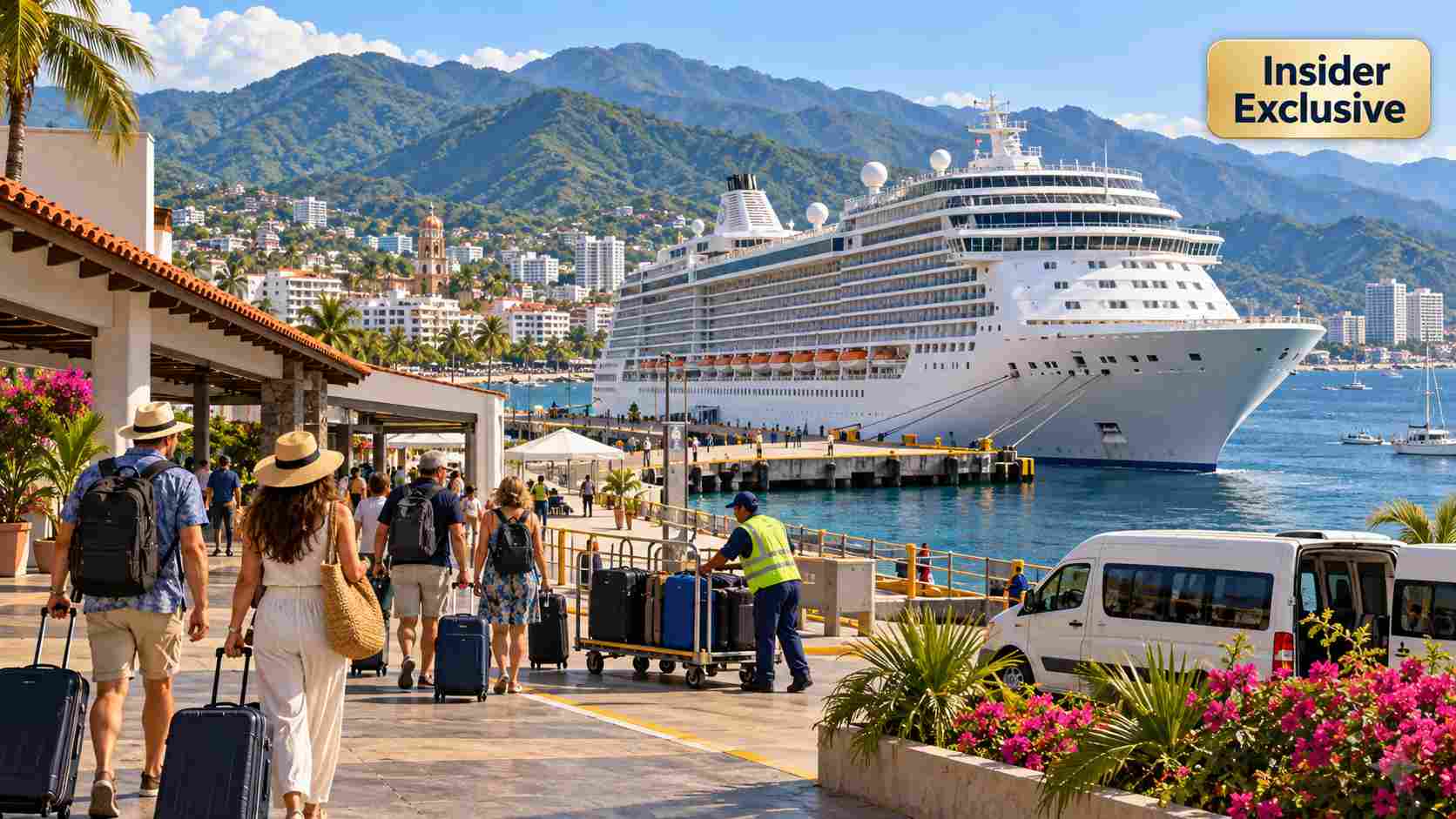
Puerto Vallarta’s cruise home-port tender is underway, Gov. Pablo Lemus said Oct. 7. Construction could begin in 2027, with operations targeted for late 2028.
The proposed terminal would let passengers start or finish a cruise here. Federal tourism officials say that could encourage travelers to arrive early or stay after their voyage, using hotels, restaurants and local transport.
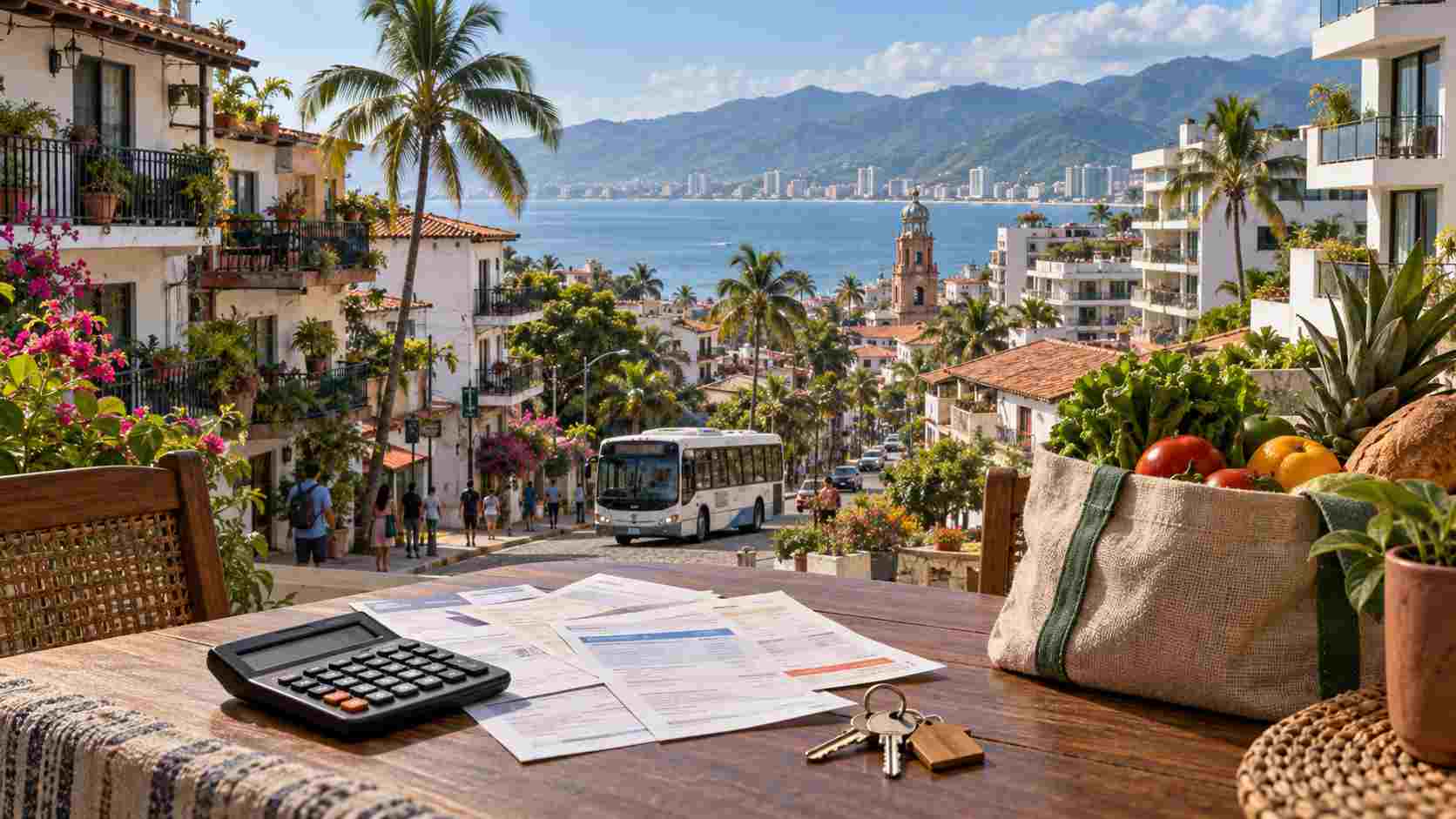
For businesses around town, those extra hours ashore are the opportunity. A room, dinner and a ride to the terminal are purchases someone in the destination can provide. Who receives them depends partly on decisions made before the passenger arrives.
The extra night changes the visit
Think about the difference between stopping in Vallarta for an afternoon and spending the night here.
ASIPONA, the federal port authority, describes the city’s current cruise business as a morning arrival followed by an afternoon departure. Passengers fit their visit around the ship’s schedule, whether they take a tour, shop or head into town.
A passenger beginning a cruise here has another choice. They can arrive before sailing day, settle into a hotel and spend some time in Vallarta. Someone finishing a voyage can stay afterward.
That is the appeal behind Lemus’ reference to “more hotel nights.” The opportunity extends into the parts of a holiday that happen before boarding and after disembarking.
Consider one possible trip. A traveler books a small hotel in Centro the night before departure. They have time for dinner nearby, perhaps a walk along the Malecón, then breakfast before leaving for the ship.
The example is hypothetical, but the purchases are familiar. It is easy to see where a hotel, restaurant, and transport provider could enter that journey.
Another traveler might land on sailing day and go straight from the airport to the terminal. That trip still involves transport, but it leaves no overnight reservation for a hotel to win.
That is why an arrival count alone tells only part of the story. The passenger’s plans on shore help determine how the visit reaches Vallarta’s tourism economy.
Who gets the hotel reservation
Now follow the booking itself.
A traveler arranging their own stay can choose the property. A traveler buying accommodation through the cruise line may arrive with that choice already made.
Norwegian Cruise Line’s existing hotel program provides a useful example. It offers stays before or after a cruise, with the company selecting the hotel. The company uses these arrangements in its existing business, rather than as a package announced for Vallarta.
“Guests do not select their hotel,” the company states.
The selected property gets access to those reservations. An independent hotel outside the program would need to reach travelers booking separately or seek a way into the packaged business.
That does not tell us whether the participating hotel belongs to a chain or a local owner. A locally owned property could benefit from a cruise-company agreement. The agreement would be the route guests use to reach it.
For restaurants, the next question is what comes with the room.
Norwegian’s basic program includes accommodation and taxes but excludes breakfast and transfers. Guests still have to arrange those purchases.
So even a stay sold through the cruise line can leave business open to others. A cafe could attract the guest for breakfast. A restaurant could become their dinner choice. A hotel reservation doesn’t capture every purchase during the stay.
I’m following those choices because they give us a clearer picture of the proposal’s local reach. “More hotel nights” describes the opportunity. The booking tells us which hotel the guest stays at.
Residents would share the travel day
The same holiday would also become part of an ordinary workday in Vallarta.
The maritime terminal sits on Boulevard Francisco Medina Ascencio, in Zona Hotelera Norte, with access from Calle Heroica Escuela Naval Militar. ASIPONA places the airport north of the terminal, along the same corridor. Residents already use these roads for buses, work, shopping and trips across the city.
Passengers starting and finishing a cruise would add journeys between the airport, hotels, and port. For anyone who regularly travels along Medina Ascencio, the practical question is how those movements fit into the day.
A cruise departure involves more than getting a vehicle to the dock. Passengers have to meet their transport, load luggage, reach the terminal, and complete boarding.
Royal Caribbean Group’s ground-service arrangements describe that work: airport reception, hotel pickups, baggage handling, check-in, and coordination with port staff. The arrangements also cover passengers leaving the ship and heading to hotels or flights home.
The timing would depend on the sailings and services eventually offered. The project announcement does not forecast additional traffic delays.
Those movements also create local employment. ASIPONA’s development plan anticipates jobs for porters, receptionists and cargo operators, along with greater use of public transportation.
Those workers would be helping people through the same journey passengers experience as part of their holiday.
The ship would have customers on board and suppliers ashore
Passengers buying rooms and meals are one part of the business. Supplying the ship is another.
ASIPONA identifies food, merchandise and other provisions as part of home-port activity. That gives suppliers a different prospective customer: the cruise operator.
Here, the purchase would begin with an order and a business agreement.
Carnival Corporation, for example, invites prospective suppliers to submit their company information. It also sets sourcing standards that suppliers must meet.
A Vallarta business could seek that work. Being nearby would not itself guarantee an order; the business would need to meet the buyer’s requirements and win the sale.
This helps explain how established contractors and independent firms could both participate. Some business would come through agreements with cruise companies. Other business would come from passengers choosing where to spend their time and money.
The terminal would have its own commercial arrangements, too.
The federal tender allows its operator to develop shops and other commercial spaces directly or through agreements with third parties. It does not reserve those spaces for Vallarta businesses.
An independent shop could therefore secure space inside the terminal through an agreement. A business elsewhere in town would depend on attracting passengers beyond the port gates.
Our earlier coverage of the home-port bidding process explains the competition to develop and operate the facility. For smaller businesses, the more immediate question is which services, orders, or customers they could pursue.
The holiday could continue after the cruise
One more part of the journey follows: the return.
A passenger finishing a voyage in Vallarta could head straight to the airport. They could also check into a hotel and spend the last part of their holiday here, an option federal tourism officials include in the proposal.
Cruise companies already provide that option. Royal Caribbean’s ground services cover transfers from the pier to a hotel for guests staying after a voyage, followed by a later trip to the airport.
For a traveler choosing that stay, leaving the ship would begin a different part of the holiday. There would still be a room to check into, somewhere to have dinner, and time to spend in town.
For the businesses serving that guest, the cruise would have ended while their part of the trip was just beginning.