Puerto Vallarta, Jalisco, July 1, 2026 – Surf along the Jalisco coast is forecast to run higher than normal Wednesday, adding a beach-safety concern to a rainy-season pattern already bringing afternoon storms and changing conditions around Banderas Bay.
The Servicio Meteorológico Nacional’s 96-hour forecast placed the Jalisco coastline under mar de fondo of 1.5 to 2.5 meters on Wednesday, with chubascos and locally strong rainfall also listed for parts of the state. A local weather report also flagged elevated surf around Puerto Vallarta early Wednesday, citing waves in the 1-to-2-meter range along the coast.
Mar de fondo can arrive from distant weather systems, push stronger sets onto beaches, and create rip currents even when the sky is only partly cloudy. Those conditions can be especially deceptive near Los Muertos, Camarones, Playa del Holi, Boca de Tomates, and river-mouth areas where runoff, currents, wildlife warnings, and reduced water clarity can overlap during the rainy season.
Puerto Vallarta has already been dealing with beach warnings tied to rain-season risks. PVDN reported Tuesday that purple and red flags were posted at several river-mouth and Marina Vallarta beaches after officials warned about crocodile movement during rains. That warning is separate from Wednesday’s surf forecast, but both point to the same local rule: beach flags matter more than how calm the bay looks from the sidewalk.
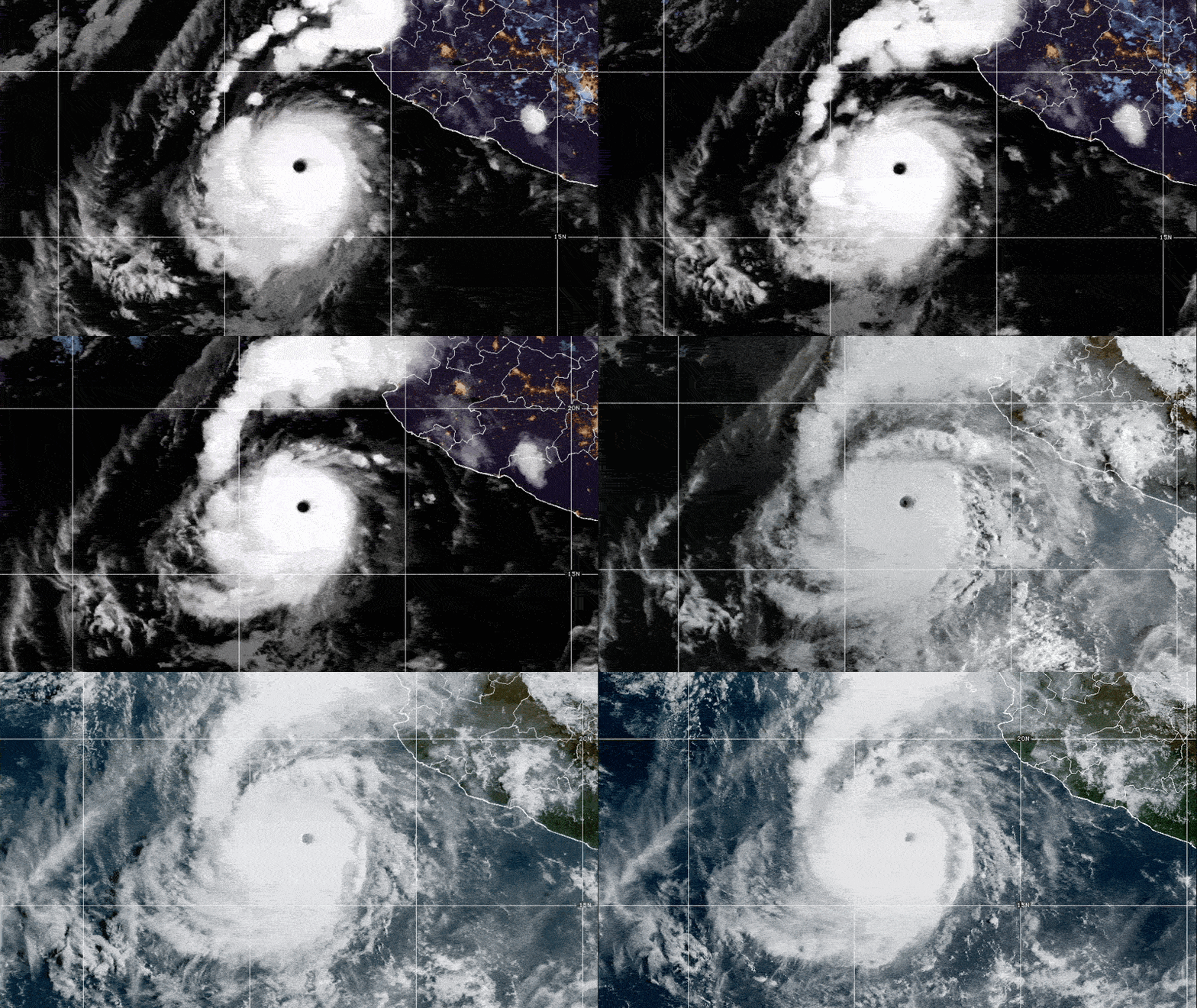
Wednesday’s surf forecast is not a tropical-cyclone landfall alert for Puerto Vallarta. The National Hurricane Center’s Eastern Pacific outlook had advisories on Tropical Depression Four-E far west-southwest of the southern tip of Baja California and did not identify a new coastal system near Jalisco. The immediate local issue is swell, currents, rain, and lifeguard-posted beach conditions, not wind from a storm approaching the bay.
People heading to the beach should check posted flags before entering the water, avoid swimming near river mouths after rain, and stay off rocks or breakwalls when waves are reaching higher than normal. Small boats, paddleboards, kayaks, and water tours should check port and operator guidance before going out, especially if afternoon weather begins to build over the bay.
PVDN has been tracking similar surf and current risks through the start of the rainy season, including recent high-surf coverage and broader Puerto Vallarta weather guidance. The next sign to watch on Wednesday is not only wave height but also whether afternoon rain changes flag conditions at individual beaches.