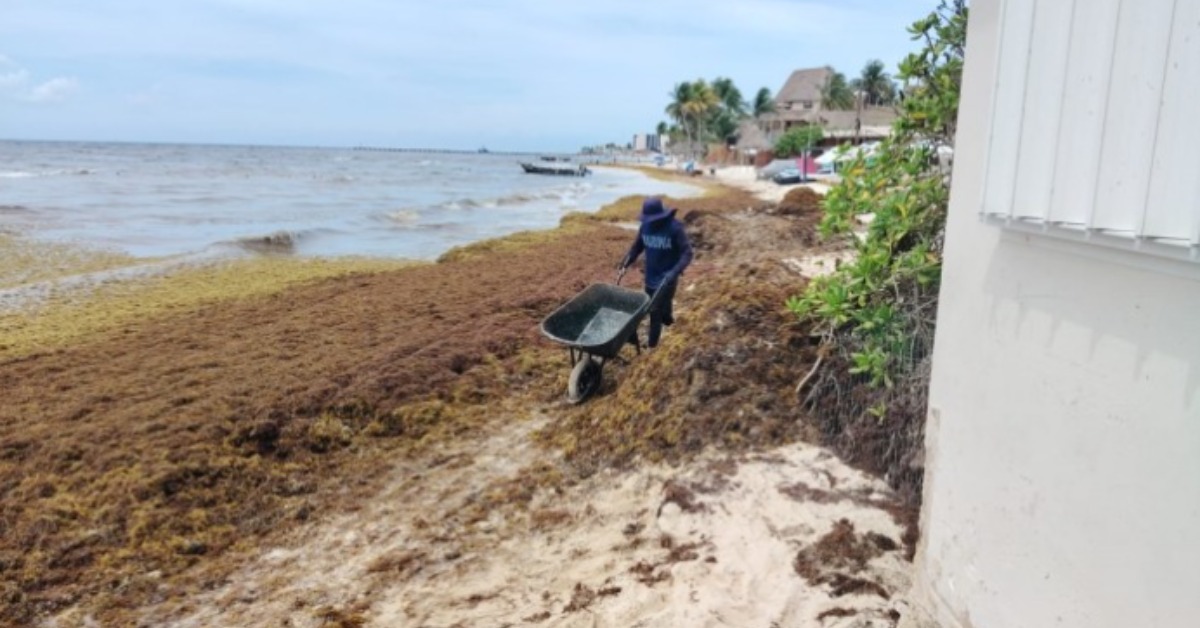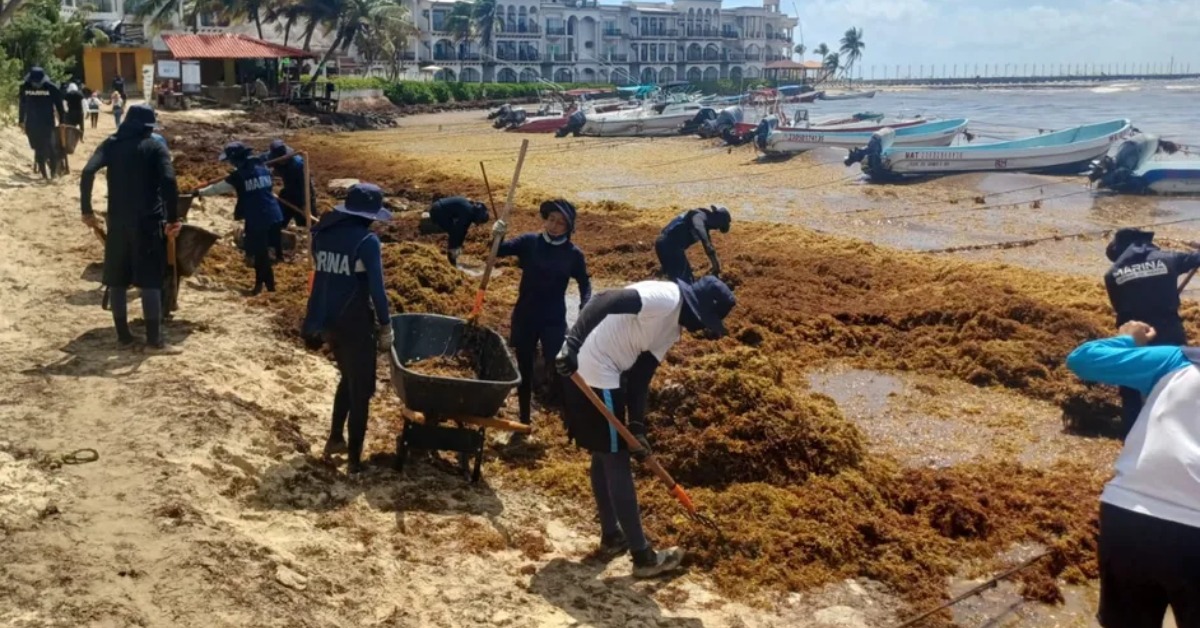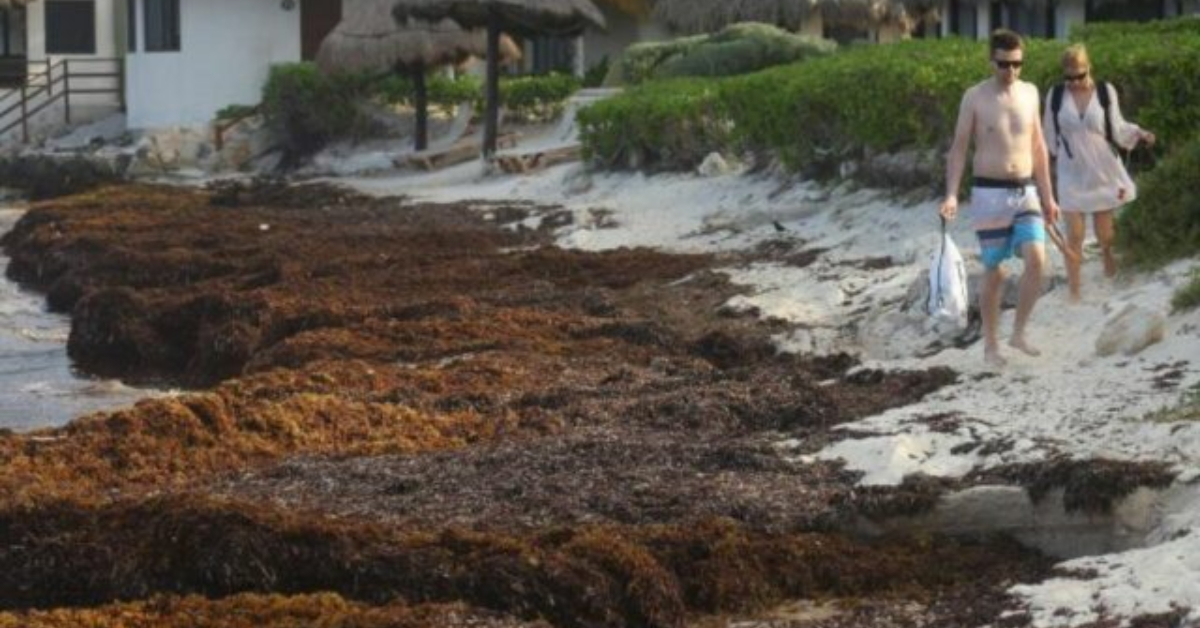
Between January and June 2025, Tulum crews cleared over 2,000 tons of sargassum Tulum shores, double last year’s haul, as local teams work daily to keep beaches clean.
Tulum’s beaches have seen an unprecedented influx of sargassum this year, with municipal teams hauling in just over 2,000 tons of the brown algae from January through June 2025. That figure more than doubles the 988 tons collected in the same period of 2024, marking a historic rise in arrivals along this Caribbean coast.
Juan Antonio Garza, director of the Federal Maritime Terrestrial Zone (Zofemat) in Tulum, confirmed the sharp uptick. “The total for the first half of the year exceeds two thousand tons; it’s a very significant increase, practically double. We’ve been working daily at different points in the municipality with our beach cleaning team, following the mayor’s instructions,” he said.
Daily clean-up efforts
Since early January, Zofemat crews have fanned out across Tulum’s main public beaches at dawn, deploying rakes, tractors and dump trucks to clear the shoreline. The surge in sargassum has stretched resources, but Garza emphasized that teams remain committed. “Our crews start before sunrise. They work through the heat to protect our coastal ecosystem and maintain Tulum’s tourist appeal,” he noted.
Despite the dramatic increase, municipal authorities have not raised alarms about capacity. The local sargassum disposal center is operating normally, with no risk of saturation. Garza explained that the municipality coordinates with the state’s Ministry of Ecology and Environment to process and dispose of the seaweed safely.
A regional phenomenon
Sargassum blooms are not unique to Tulum. Since 2011, several Caribbean nations and Mexican states along the Yucatán Peninsula have reported spikes in macroalgae washing ashore. Scientists link these events to shifts in ocean currents, nutrient enrichment and rising sea temperatures.
“The sargassum phenomenon affects most coastal municipalities in Quintana Roo, as well as other Caribbean countries,” Garza said. He urged residents and visitors to be patient as crews work on a rolling schedule across dozens of beaches.
Tourism impact and management
Tulum’s reputation as a world-class beach destination hinges on clear sand and turquoise water. Heavy sargassum landings risk deterring sun-seekers and marine wildlife alike. To mitigate effects, Zofemat has introduced mobile barriers that intercept floating algae before it reaches shore in key zones.
Local hotels and tour operators have pitched in, deploying private cleanup teams and investing in booms to protect swimming areas. Early reports suggest that these measures are keeping the most popular stretches of beach in serviceable condition, despite the overall rise in seaweed.
Outlook and adaptation
Garza stressed that fluctuations in sargassum volumes are to be expected and that Tulum’s approach balances rapid response with environmental care. “We are committed to keeping our beaches clean and minimizing the impact on tourism. We will continue adapting our resources—both human and technical—to meet the challenge,” he said.
As summer advances, Tulum faces the dual task of maintaining its beach image while exploring longer-term solutions, such as repurposing collected sargassum into compost or biofuel. For now, visitors can expect daily clean-up operations and a beach experience that, while touched by nature’s ebb and flow, remains open and inviting.