
The Eastern Pacific hurricane season typically runs from May 15th to November 30th each year. This season includes the waters of the Pacific Ocean off the coasts of Mexico, Central America, and South America. During this time, conditions in the region are favorable for the formation of tropical storms and hurricanes, which can pose a threat to coastal communities. The Eastern Pacific hurricane season is an important time for residents in the region to prepare for potential storms, and local authorities often provide information and resources to help residents stay safe in the event of a hurricane. You may be interested in the Puerto Vallarta Hurricane Center during hurricane season.
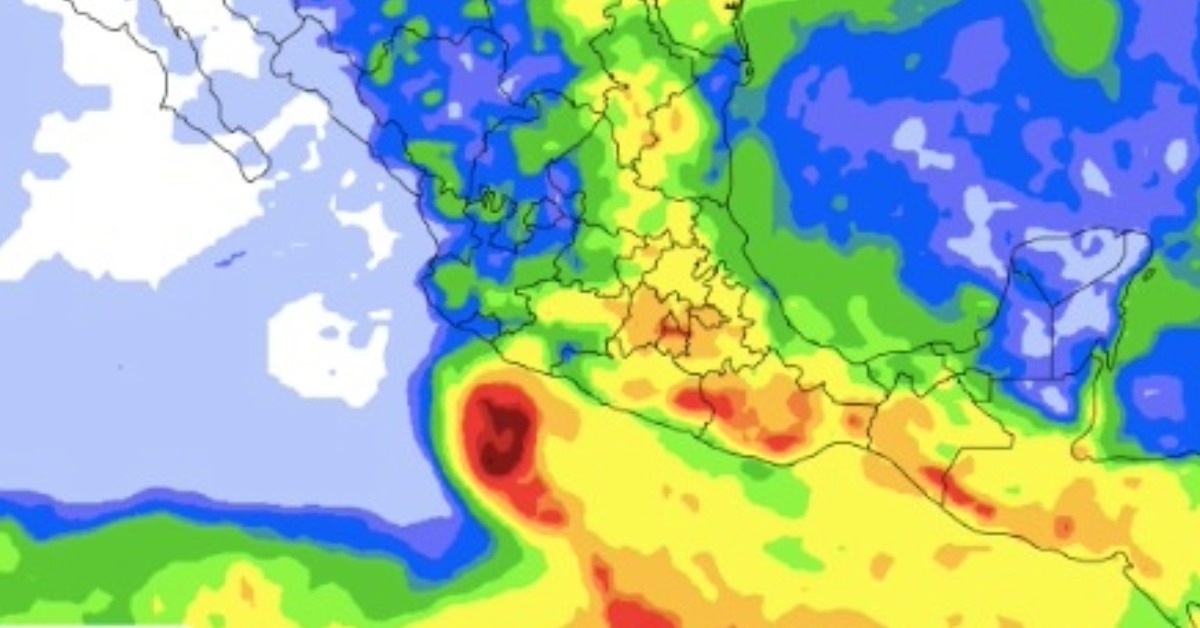
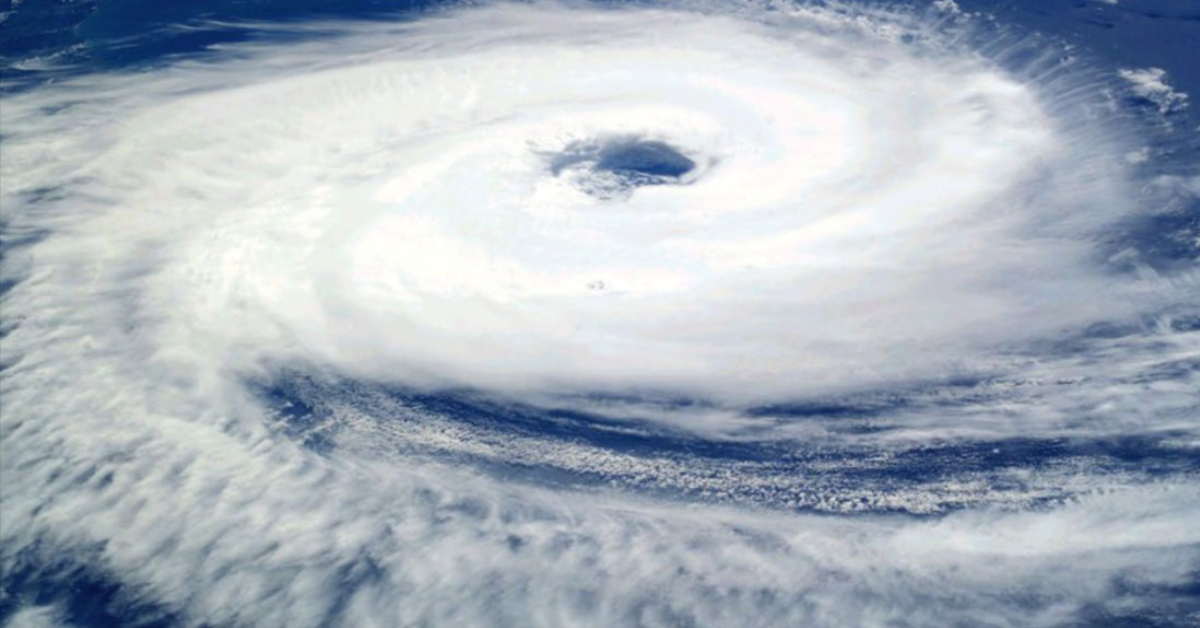
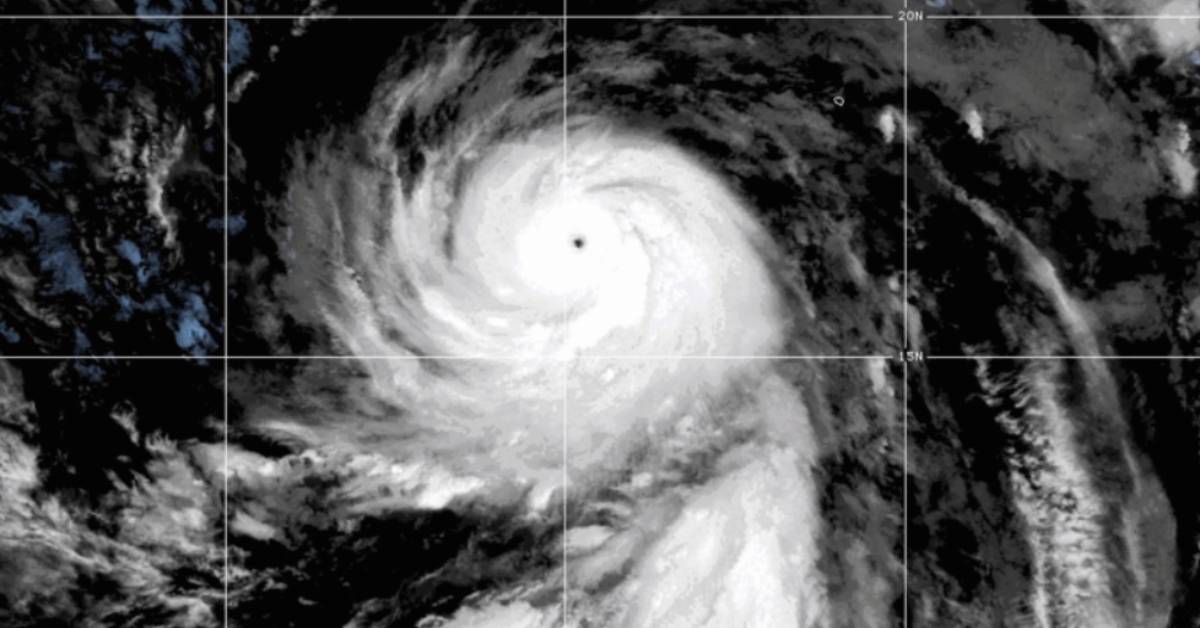
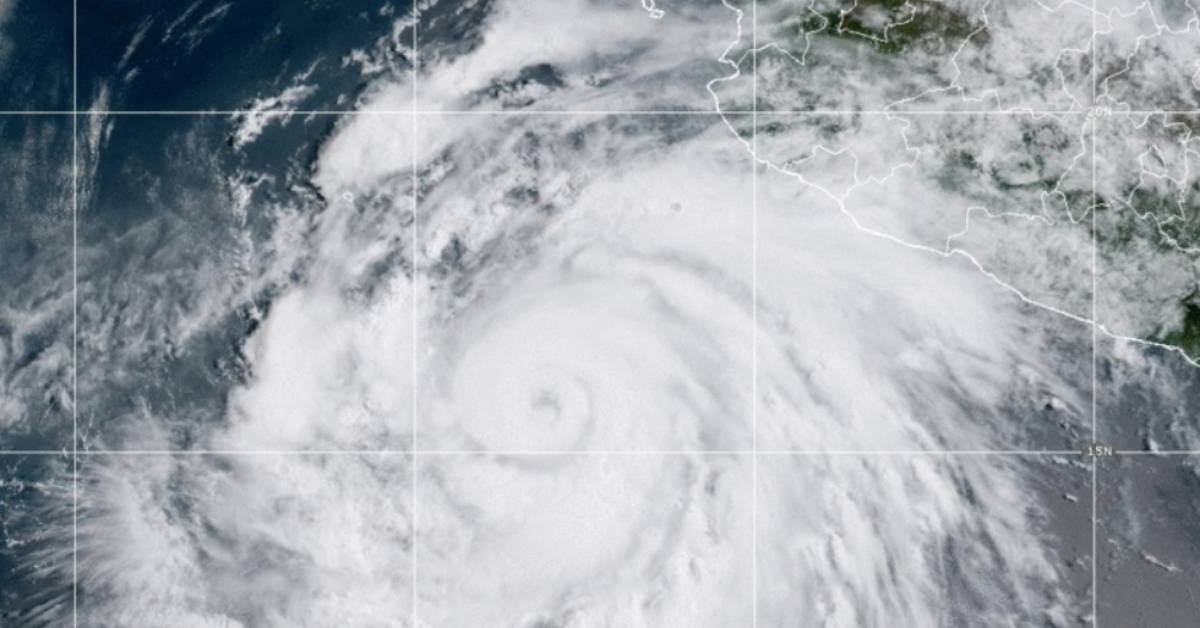

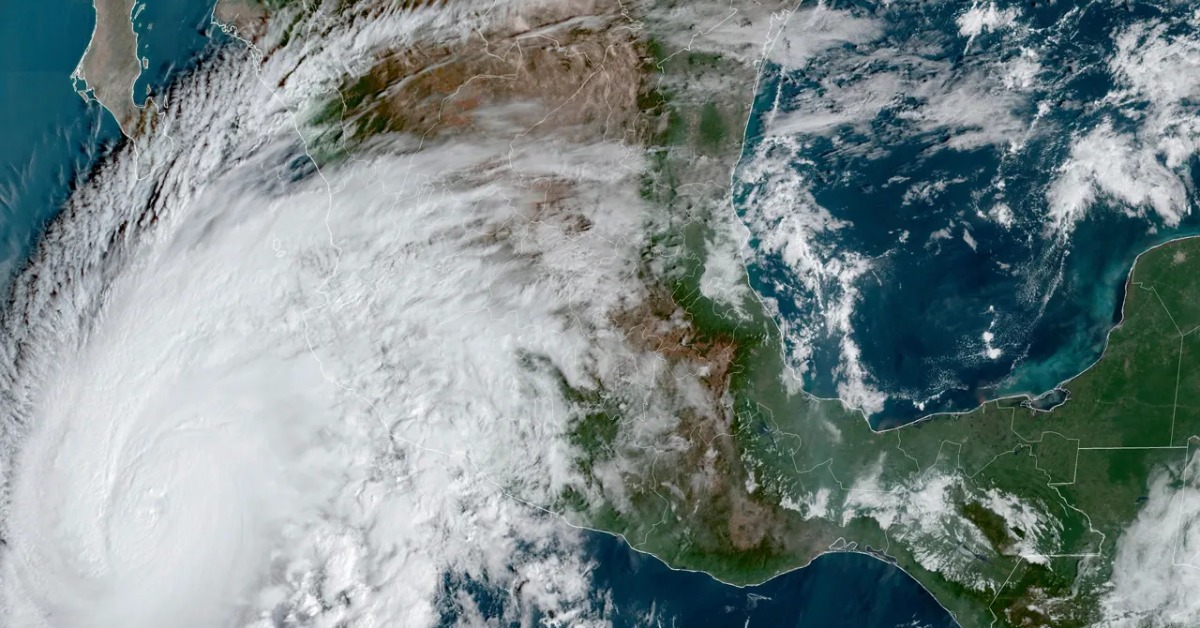
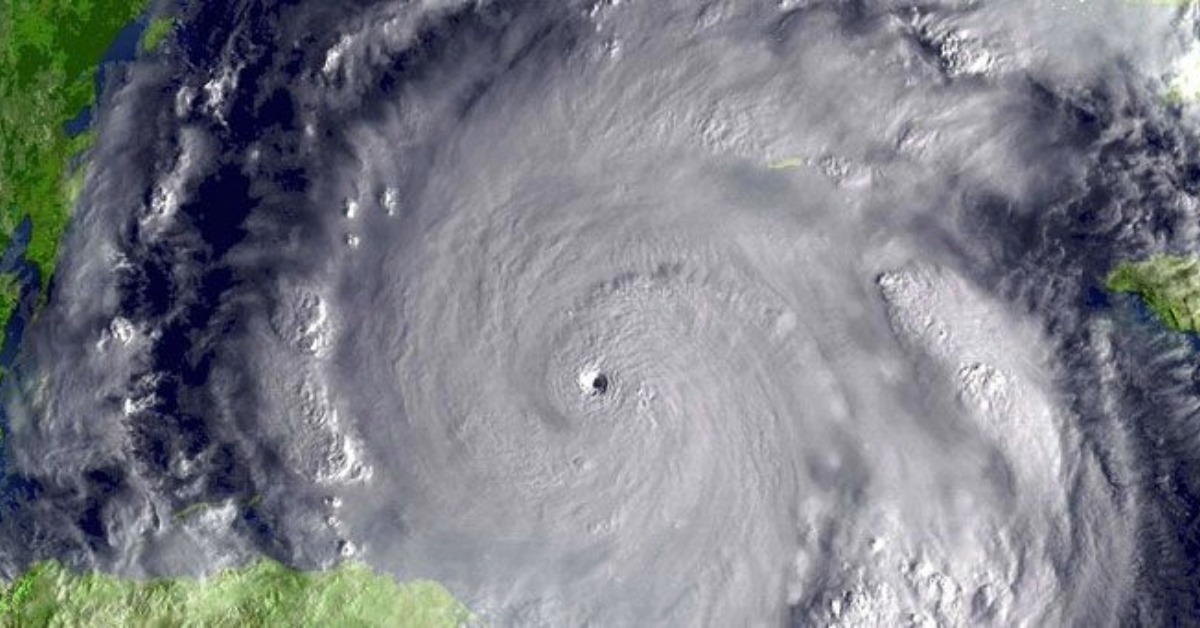
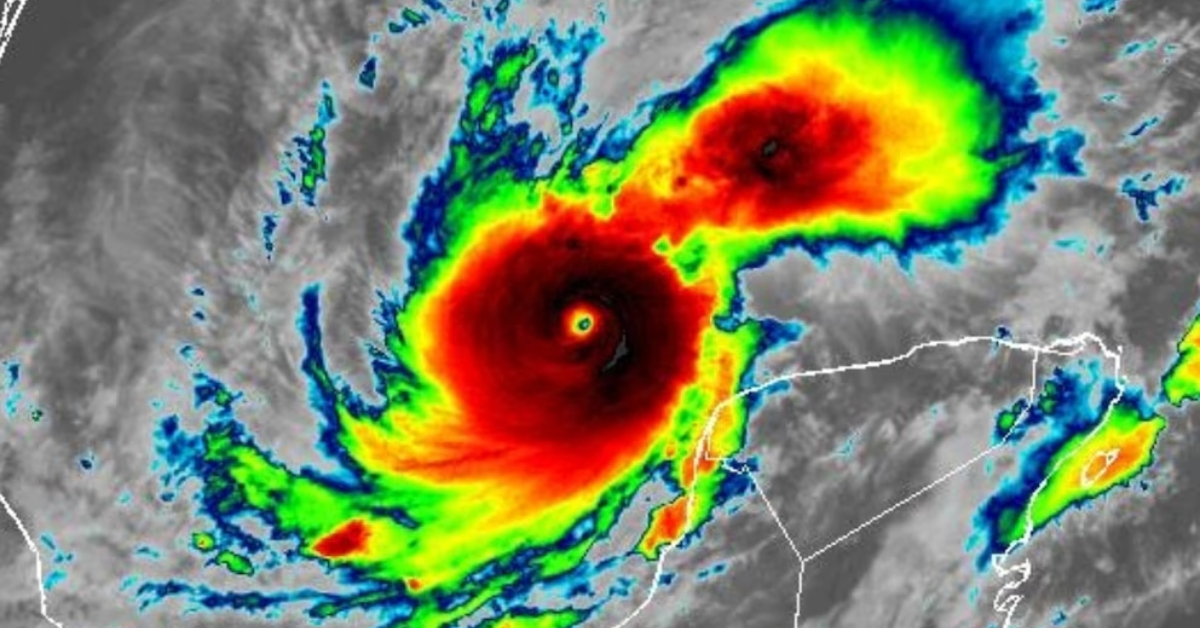
Mexico’s Pacific coast is no stranger to hurricanes, with the region experiencing several devastating storms in recent years. In this article, we will explore the impact of hurricanes on the Pacific coast of Mexico and the measures taken to mitigate the risks associated with these extreme weather events.
Mexico’s Pacific coast stretches over 7,828 kilometers (4,860 miles) from the US border in the north to the border with Guatemala in the south. This coastline is home to some of the most popular tourist destinations in Mexico, including Puerto Vallarta, Acapulco, and Mazatlan. However, these picturesque beach towns are also at high risk of being affected by hurricanes, which can cause significant damage to infrastructure, property, and human life.
Mexico’s hurricane season typically runs from May to November, with the peak season occurring between August and October. During this time, the Pacific Ocean’s warm waters provide the perfect conditions for tropical storms to form and develop into hurricanes.
One of the most destructive hurricanes to hit the Pacific coast of Mexico in recent years was Hurricane Patricia, which made landfall in October 2015. The hurricane reached Category 5 status, with winds of up to 200 mph, making it one of the most powerful hurricanes ever recorded. Fortunately, the impact of Hurricane Patricia was less severe than expected due to the swift evacuation of thousands of people and the preparation of emergency shelters.
Despite this, hurricanes continue to pose a significant threat to the Pacific coast of Mexico, and the government has implemented measures to mitigate the risks. One such measure is the creation of a National Hurricane Plan, which aims to provide a coordinated response to hurricanes and other natural disasters.
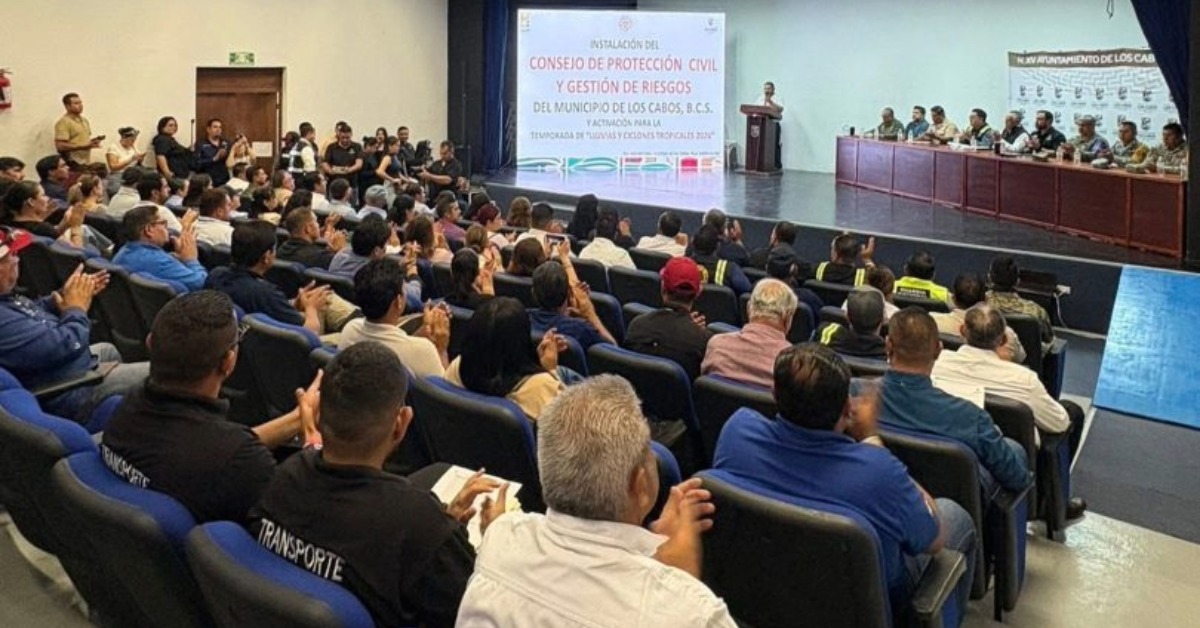
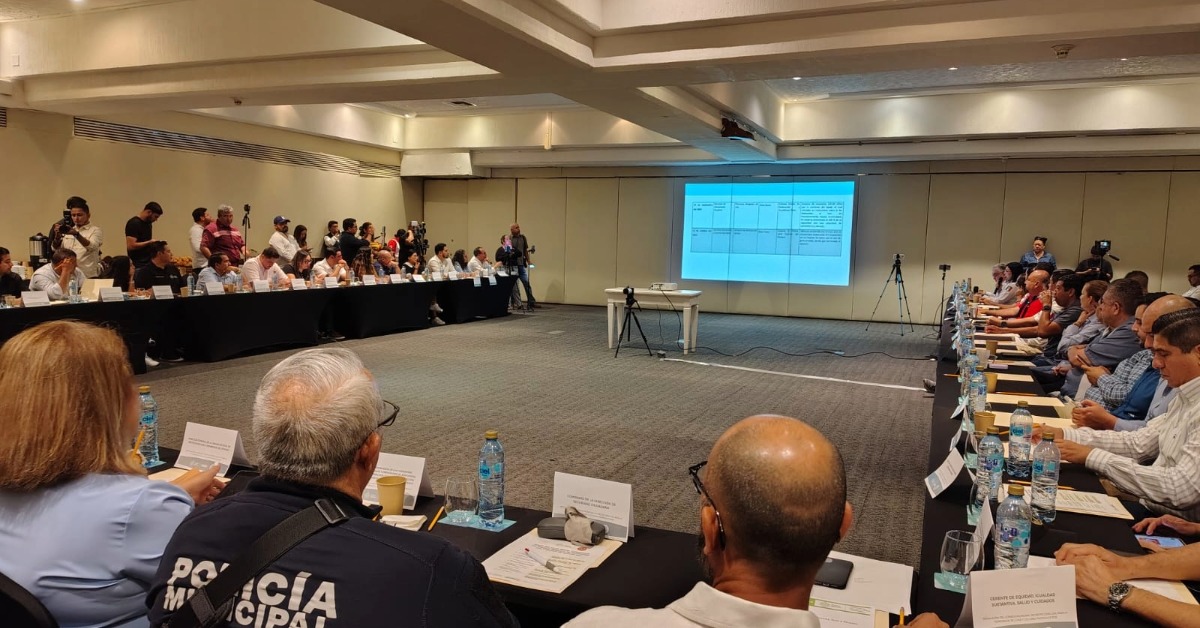
The plan includes measures such as evacuation plans for vulnerable communities, the pre-positioning of emergency supplies and equipment, and the development of early warning systems to provide timely alerts to communities at risk. The government also conducts regular drills and training exercises to ensure that emergency responders are prepared to respond to hurricanes and other natural disasters.
In addition to these measures, the Mexican government has also invested in infrastructure projects to help reduce the impact of hurricanes on the Pacific coast. For example, the government has constructed sea walls, reinforced bridges, and developed drainage systems to help prevent flooding and reduce the damage caused by storm surges.
While these measures are helping to mitigate the risks associated with hurricanes on the Pacific coast of Mexico, there is still a need for continued investment and vigilance. With climate change predicted to cause more frequent and severe extreme weather events, it is essential that governments and communities work together to develop and implement strategies to protect against the impact of hurricanes and other natural disasters.
In conclusion, hurricanes are a significant threat to the Pacific coast of Mexico, with the potential to cause significant damage to infrastructure, property, and human life. However, through the implementation of the National Hurricane Plan, investment in infrastructure projects, and ongoing vigilance, the risks associated with hurricanes can be reduced. It is essential that governments and communities continue to work together to develop and implement strategies to protect against the impact of hurricanes and other natural disasters.