Nearly three weeks after the violence that shut roads and set vehicles ablaze across Jalisco, the legal tally is still rising. State prosecutors now say they have 806 formal complaints tied to burned vehicles, and 45 of those come from Puerto Vallarta. That number may sound smaller than what residents saw on the ground, but it reveals something important: the official case count is not the same as the full damage count. For affected owners, that gap now matters for investigations, insurance, and possible state aid.
What the number actually measures
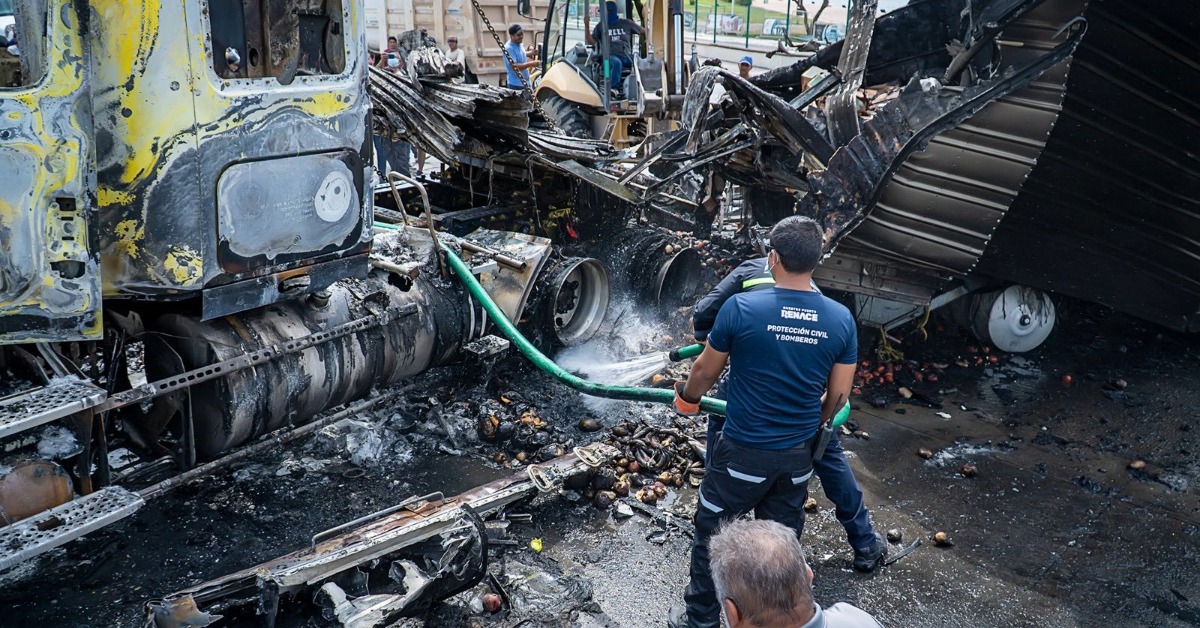
Jalisco prosecutors say 806 complaints have now been filed over vehicles burned during the February 22 violence. Officials say the cases include private cars, cargo units, public transport, and employee buses. They also say 45 of those complaints came from Puerto Vallarta, one of the cities hit hardest that day.
The state has also reported 38 complaints for damage to businesses and other property. Taken together, that puts the formal complaint count tied to the episode at 844. For readers outside Mexico, that matters because it shows the crisis is still moving through the justice system weeks later. It was not a one-day disruption that ended when the roads reopened.
Why Puerto Vallarta stands out
For Puerto Vallarta, the figure of 45 complaints is important for a simple reason. It is much lower than the damage count reported earlier by local authorities. On March 4, municipal civil protection said its preliminary review found 228 burned vehicles and 141 affected businesses in Puerto Vallarta alone.
That does not mean either figure is wrong. The two numbers measure different things. The municipal count reflected visible damage in the city. The prosecutor’s figure reflects formal criminal complaints that owners actually filed. In practical terms, the legal count depends on paperwork, proof of ownership, and the victims’ decision to enter the process.
That gap helps explain why this story is still developing. Some owners may still be collecting documents. Others may be waiting on insurers. Some may not have coverage at all. Authorities have spent days urging victims to file formal complaints so cases can move forward.
How February 22 became a statewide crisis
The violence began after a federal security operation in Tapalpa, Jalisco, against Nemesio Oseguera Cervantes, known as El Mencho, leader of the Cártel Jalisco Nueva Generación, or CJNG. Authorities and subsequent reporting said the operation triggered retaliatory blockades, arson, and attacks across Jalisco and other states. In Puerto Vallarta, burning vehicles, road closures, and attacks on businesses disrupted daily life and hit a city built around movement, commerce, and tourism.
That wider context matters for international readers. Puerto Vallarta is not just another municipality in Jalisco. It is a major destination for foreign residents, retirees, and visitors. On the day of the violence, the disruption reached roads, transport, business activity, and the city’s normal routine. Weeks later, the rising complaint count shows the financial and legal aftermath is still being sorted out.
What comes next for affected owners
The state prosecutor’s office has opened special channels for victims to file cases. Jalisco also said regional prosecutor offices could receive complaints from outside the Guadalajara metro area. That matters because a complaint is now more than a criminal file. It can also shape insurance claims, damage documentation, and access to public support.
State officials have also discussed a support package for owners whose vehicles were burned, especially those without insurance. Governor Pablo Lemus has said Jalisco is preparing financial aid. State officials later referred to a 100 million peso pool for people who lost vehicles and had no coverage. That makes the complaint total more than a legal statistic. It is also becoming a gatekeeper for who may qualify for help.
The headline figure of 806 complaints shows how broad the February 22 violence was across Jalisco. But the 45 complaints in Puerto Vallarta reveal something more specific. The city may have moved past the immediate emergency, yet many losses are still being processed, disputed, or documented.
For foreign residents in Puerto Vallarta, that distinction matters. The streets may look normal again, but the event remains active in prosecutors’ offices, insurance files, and state recovery plans. The latest complaint total is a reminder that the effects of a security crisis usually last much longer than the smoke, the roadblocks, or the first headlines.