Jalisco has recorded its first dengue fatality of 2025, confirmed in Mexico’s federal epidemiology report for week 36. The state now counts 1,385 confirmed infections and 29 suspected dengue deaths under review, according to local coverage of the bulletin. Health officials say serotype three is circulating alongside serotypes 1 and 2, a pattern linked to more severe illness. The death comes as Jalisco slips to second nationally in cases, behind Veracruz, even as case growth has slowed from last year’s peak. Here is what the data shows—and what it means for residents.
Jalisco dengue death
Jalisco has confirmed its first dengue death of 2025, a case registered in the federal epidemiology bulletin for week 36, which covers data through September 8. State and federal reviewers validated the fatality through the country’s official committee process, which approves dengue death certifications before publication. That means confirmed deaths may appear in the bulletin weeks after they occur, but they remain the canonical record for national surveillance.
State reporters who follow the Health Secretariat’s updates say Jalisco now has 1,385 confirmed infections this year and 29 suspected deaths still under study. The same coverage cites the circulating dengue serotypes 1, 2, and 3, with serotype 3 driving most severe presentations. Those details track with what clinicians have observed across Mexico since last year’s historic continental surge.
Where Jalisco stands now
Week 36 data places Jalisco second nationally for confirmed dengue cases, behind Veracruz. Local briefings indicate 61 new lab-confirmed infections entered the tally that week. The cumulative figures are well below the same period last year, when the state ranked first by a wide margin, but the risk remains uneven across municipalities.
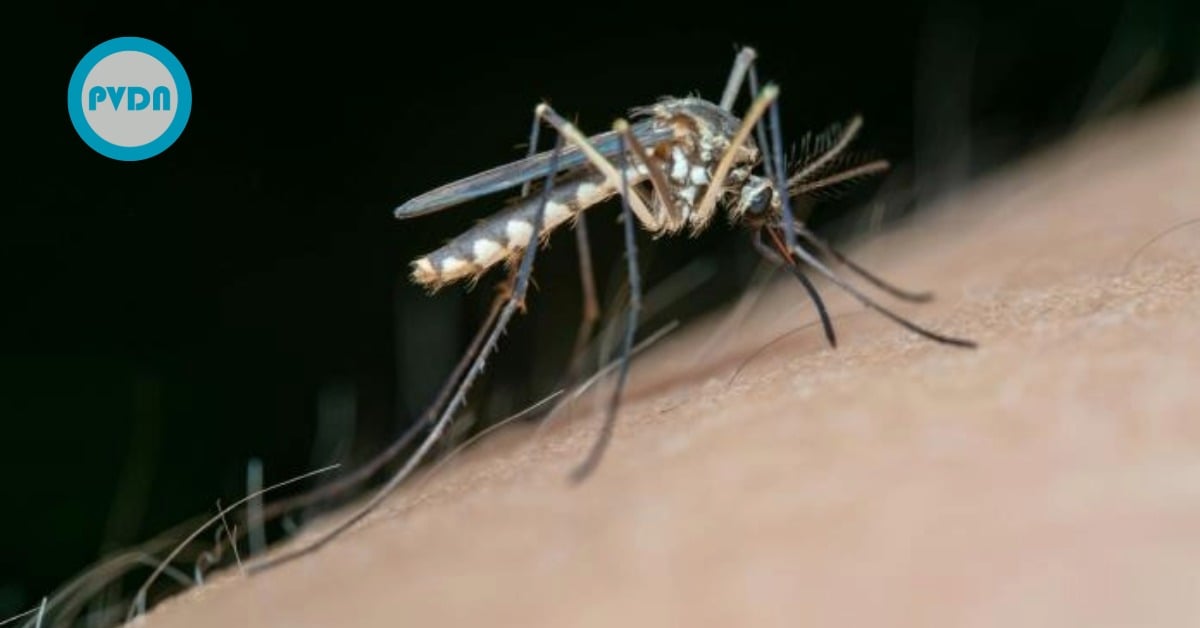
Media summaries of the bulletin point to a higher incidence in urban and coastal corridors, including Zapopan, Guadalajara, and Puerto Vallarta, as well as Casimiro Castillo, Tlaquepaque, Cocula, and Atoyac. Those patterns align with Aedes aegypti habitat: dense neighborhoods, warm temperatures, and standing water after late-season rains.
Reading the federal numbers
Mexico’s federal dengue report is the reference for deaths and cases. As of week 36, national tallies list 48 confirmed dengue deaths and thousands of suspected fatalities still under review. The jump in confirmed deaths since late August reflects case adjudications by the national committee rather than a sudden shift in one week’s transmission.
This process matters for understanding the Jalisco fatality. The bulletin’s footnotes emphasize that confirmed deaths are published as the committee validates them. They are not stamped with the date of occurrence. For residents, the takeaway is simple: the virus continues to circulate, and severe disease remains possible even as case growth eases.
A lingering regional backdrop
The Americas endured a record year for dengue in 2024, with more than 12.6 million infections and thousands of deaths. Mexico was part of that wave, and last season’s intense transmission reshaped risks in states that had seen fewer outbreaks in the past. Serotype 3 gained ground nationally, a shift associated with more hospitalizations when it meets populations with prior exposure to a different serotype.
Jalisco’s current trajectory—lower than last year but still elevated—fits that regional story. Public health teams continue larval control, yard-to-yard cleanup, and community messaging. Those efforts help, but risk tracks the weather. As September storms pass through western Mexico, the mosquito finds new breeding sites and new hosts.
What this means for families
For households in Guadalajara’s metro and along the coast, the signal is clear: keep doors and windows screened, empty containers that collect water, and seek care early if fever, intense headache, or abdominal pain appear. Clinicians are watching for warning signs that separate routine dengue from severe disease. Early evaluation helps prevent complications.
Residents should also be wary of misinformation. No home remedy cures dengue. Treatment focuses on fluids, rest, and medical monitoring, with hospital care for warning signs. Vaccination strategies are evolving in parts of the region, but Mexico’s frontline defense remains vector control and timely clinical care.
The road ahead
The single confirmed death does not define the season, but it underscores an active threat. With 29 suspected dengue deaths awaiting review in Jalisco and dozens more investigations nationwide, the picture will keep moving as the committee finalizes case files. Week-to-week comparisons should be read through that lens.
For now, Jalisco’s goal is steady: hold transmission down after the rains, protect the most vulnerable, and prevent additional fatalities as temperatures begin to drop. Public health officials urge continued vigilance as the state closes out the peak months of the mosquito season.