Search crews were back on the mountain before sunrise, guided by a witness who says he saw a helicopter go down high on the ridge near San Sebastián del Oeste. With clouds scraping the treeline and radio dead zones across the sierra, the Jalisco helicopter search is now mostly on foot, step by step over slick rock and pine. No one has said how many people were aboard. No one is giving up, either. This is a remote place, and time moves differently up here.
Jalisco helicopter search
Authorities pushed back into the mountains at first light on Tuesday, resuming the hunt for a helicopter reportedly downed in the rugged highlands between San Sebastián del Oeste and Talpa de Allende. State Civil Protection said crews deployed at 6:30 a.m., concentrating on Cerro El Jabalí after a witness led responders toward a hard-to-reach slope where he said he saw the aircraft fall.
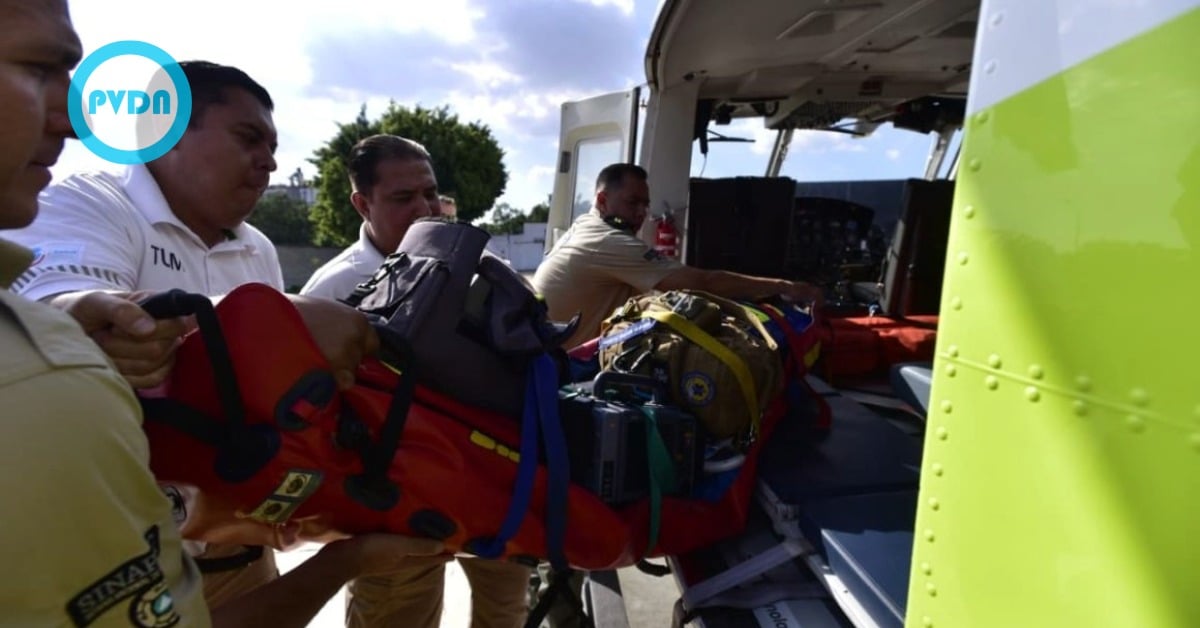
The ground push comes after a weather-scrubbed night that kept aircraft on the ground and left rescuers relying on radios that fade in and out across the ridgelines. Local outlets and officials described a multi-agency response that includes Jalisco’s Civil Protection and Firefighters, SEMAR, SEDENA, the National Guard, and municipal teams from San Sebastián del Oeste, Talpa, Mascota, and Puerto Vallarta.
So far, officials have not released a tail number or confirmed the number of people aboard. What they have shared is the plan: tighten the search box around El Jabalí and move carefully through steep, forested terrain where even experienced crews can lose their bearings in cloud and rain.
What we know from the mountain
Initial alerts surfaced Monday afternoon after reports of a helicopter going down near San Sebastián del Oeste, a colonial mountain town northwest of Puerto Vallarta. State and municipal responders mobilized from Talpa and Vallarta, with medical support from SAMU. By evening, deteriorating weather forced the aerial effort to pause, shifting the emphasis to ground teams as they threaded their way up the mountain in small elements.
Early Tuesday, the operation narrowed thanks to a single, crucial detail: a witness who, from a distance, watched the aircraft descend. That person accompanied responders at dawn to help triangulate the likely impact zone. It’s the kind of low-tech, high-value input that often matters most in places where GPS is patchy and canopy cover swallows signals.
Local and national outlets have reported, citing authorities, that the helicopter may have been working for the Federal Electricity Commission (CFE) and flying low to inspect power lines in the area—a routine job in terrain where roads are thin and storms regularly knock trees into the grid. Officials have not formally confirmed this detail, but the search footprint and the mix of agencies involved align with that mission profile.
Why the terrain—and weather—dictate the pace
Anyone who’s hiked west of Guadalajara knows how quickly the Sierra Occidental can turn against you. Trails vanish into pine and oak. Clouds slide over the ridge, and visibility drops to a few meters. Helicopters are invaluable out here, until the weather says otherwise. That’s what happened Monday night; aviation units stood down as cells moved across the peaks, and crews on foot kept pushing where they could.
The focus on El Jabalí isn’t random. Multiple reports point to that ridgeline as the probable site, and it matches the flight profile of an aerial inspection—following corridors where high-tension lines traverse long, steep gullies. If the aircraft went down there, debris could be concealed by the canopy or scattered along a ravine, which explains the methodical pace and the decision to bring the witness into the field at first light.
For now, authorities are focusing on two priorities: locating the aircraft and identifying who was aboard. Until they do, speculation stays just that. Rescuers know these mountains, but they also respect them. That’s why the Jalisco helicopter search looks slow from the outside. Up close, it’s deliberate, human, and careful—the only way to bring people home from a place like this.