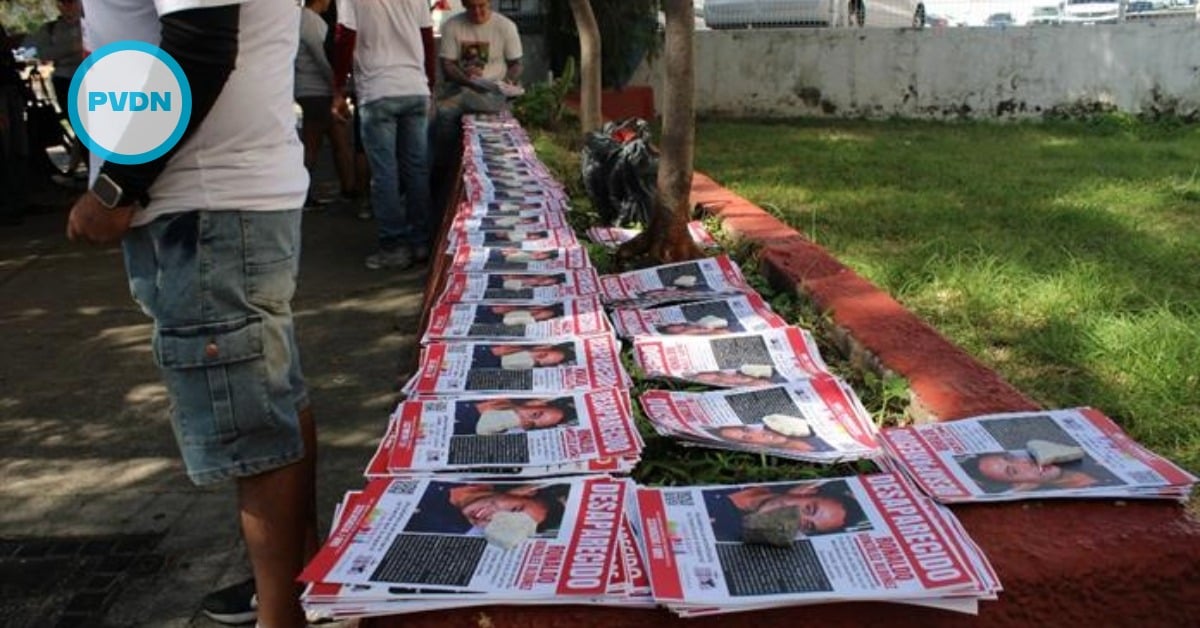
On Sunday, October 19, relatives of the missing turned the Glorieta into a wall of faces again. They say it’s not art. It’s memory—and pressure. About 2,500 fresh search posters went up across the roundabout and along Chapultepec. The group behind the drive argues that the state and the media should carry these notices routinely so families aren’t doing it alone. Jalisco still counts thousands missing, and the families keep returning with paste, tape, and names, asking a question that never gets old: where are they?
On Sunday, October 19, families once again papered the Glorieta de las y los Desaparecidos and nearby Chapultepec with faces and phone numbers. Organizers said they renewed about 2,500 search posters, an act of memory and a push on reluctant institutions to do more. The collective Luz de Esperanza has repeated this ritual weekend after weekend for years. It’s methodical. It’s intimate. And it’s meant to be impossible to ignore.
A wall of memory, post by post
People moved in small teams, carrying paste, stacks of flyers, and a list of corners where the faces disappear fastest under rain, sun, or city cleanup. Organizers argued that authorities—and media—should formalize agreements to publish search notices as a matter of routine, not charity. The ask is simple: make these cédulas part of the information bloodstream so families aren’t left to do it all with buckets and tape. Local coverage on Sunday echoed that appeal and placed the action squarely in the city center, where it is hardest to look away.
Jalisco’s numbers stay heavy. The RNPDNO, Mexico’s public registry for missing and unlocated people, lists more than fifteen thousand cases associated with the state, keeping Jalisco among the hardest-hit places in the country. The count shifts as records are updated, but the scale doesn’t. Recent local tallies put the figure near 15,900 as of early October, reflecting the stubbornness of the crisis.
Jalisco missing persons
This roundabout has become a civic ledger. Families have reclaimed it with tiles, names, and flyers since activists renamed the space years ago. They call it a promise to keep the missing visible. That promise is contested. Civil groups warned in September that proposed “interventions” could strip away what families have built—a reminder that memory work can be fragile when it bumps into urban image-making. The tension is familiar: tidy plazas versus honest walls. The families keep choosing the walls.
The ask on Sunday was not grand. Share the flyers. Don’t tear them down. Treat the faces as neighbors, not statistics. And keep pressure on the institutions charged with finding people and prosecuting those who make them vanish. The families will be back, they said, with new paste and the same names, until the city can answer a simple question for every poster: where is this person?