Seven people who vanished in late August around Guadalajara are alive, according to state authorities. Three are linked to the high-profile case of a Michoacán family killed at a mechanic’s shop. Four others include a well-known artist and two attorneys taken from a gallery. Officials say the rescues—most of which are in the city’s east—could feed multiple investigations. Families are relieved. Activists want details about where and how the seven were found. And in a state defined by disappearances, the stakes are larger than one good day’s news.
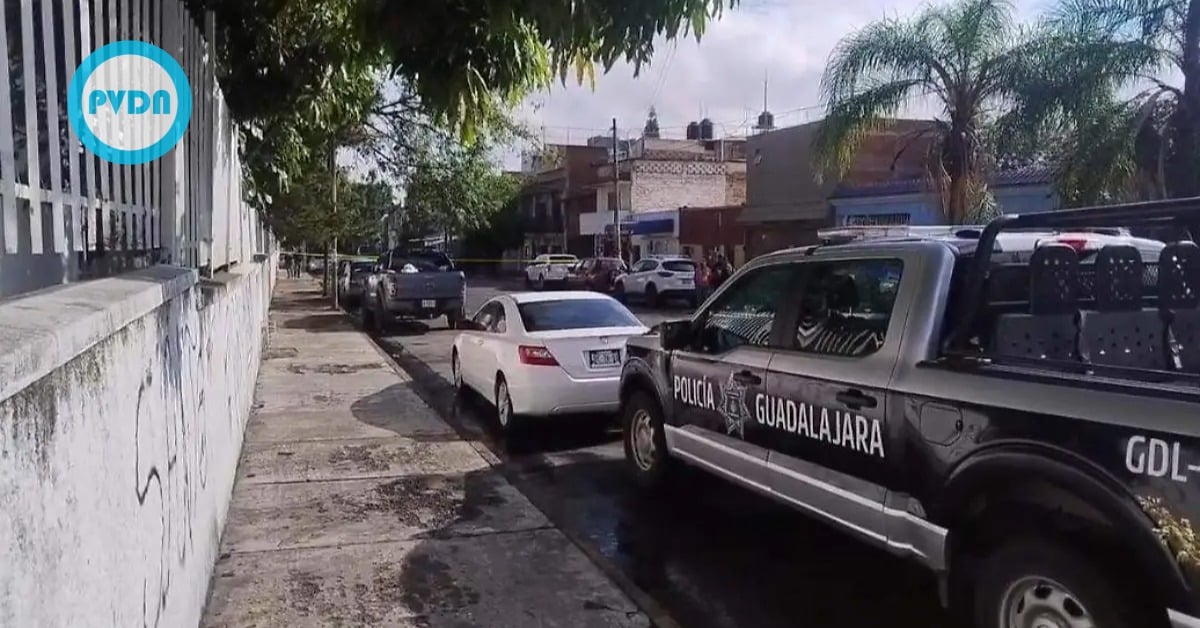
Bold relief met hard questions in Guadalajara on Monday, as the state confirmed seven people reported missing were found alive, with most rescues in the city’s east. Jalisco’s interior secretary said the group includes three people tied to the case of a Michoacán family killed at a mechanic’s shop, and that their statements could drive several investigations forward. The update came after a weekend of coordinated searches and quiet returns that families had been praying for.
Jalisco missing persons
Authorities and local media identified those found as Abraham Emanuel “N”; artist Francisca “Frany” Arteaga; attorneys Gustavo “N” and Rodrigo “N”; and three men—Gary Omar “N”, José Manuel “N” and Héctor Manuel “N”—who vanished near the state prosecutor’s office after giving statements in the family-homicide probe. Separate reports detail how Frany, Gustavo, and Rodrigo were seized by armed men at Casa Natalia gallery on August 27, while the three men linked to the homicide case disappeared a day earlier. All seven are alive. Their condition and the precise locations of recovery have not been fully disclosed.
Officials say the seven could provide crucial testimony. The homicide that triggered part of this story shocked Jalisco in late August: a couple and two children from Michoacán were killed, their bodies abandoned in a vehicle, with investigators later focusing on a mechanic’s shop and pursuing suspects. As the case garnered national attention, the disappearance of potential witnesses complicated the investigation—until now.
Families of the rescued are grateful but cautious. In recent days, Guadalajara outlets have highlighted both the joy of reunions and the gaps that remain—where the seven were kept, who moved them, and whether the same criminal networks tie together the gallery abductions and the witness disappearances. The state prosecution service and security cabinet are now under pressure to translate the good news into arrests and court-ready evidence.
A rare win in Mexico’s epicenter of disappearances
Context matters here. Jalisco has become the country’s ground zero for disappearances, with civil groups and researchers calling out years of forced recruitment, witness intimidation, and abductions tied to organized crime. Earlier this year, federal and international attention focused on a suspected extermination site in Teuchitlán, where activists and authorities documented human remains and evidence of clandestine ovens, prompting a federal review and renewed scrutiny of state investigations. Against that backdrop, seven people coming home alive is exceptional—and it raises expectations for transparency and justice.
For now, the public has a few clear points of reference. Quadratín first reported the secretary’s remarks that the seven rescues will “aid multiple probes,” particularly those three tied to the Michoacán family case. El Occidental and other local outlets have since listed names and timelines, confirming the gallery abductions and the post-declaration disappearances near the prosecutor’s office. The emerging record—fragmented but converging—will frame the next moves by prosecutors. If the state can turn these rescues into solid cases, it will mark a rare turn from mourning to accountability in a place that badly needs it.