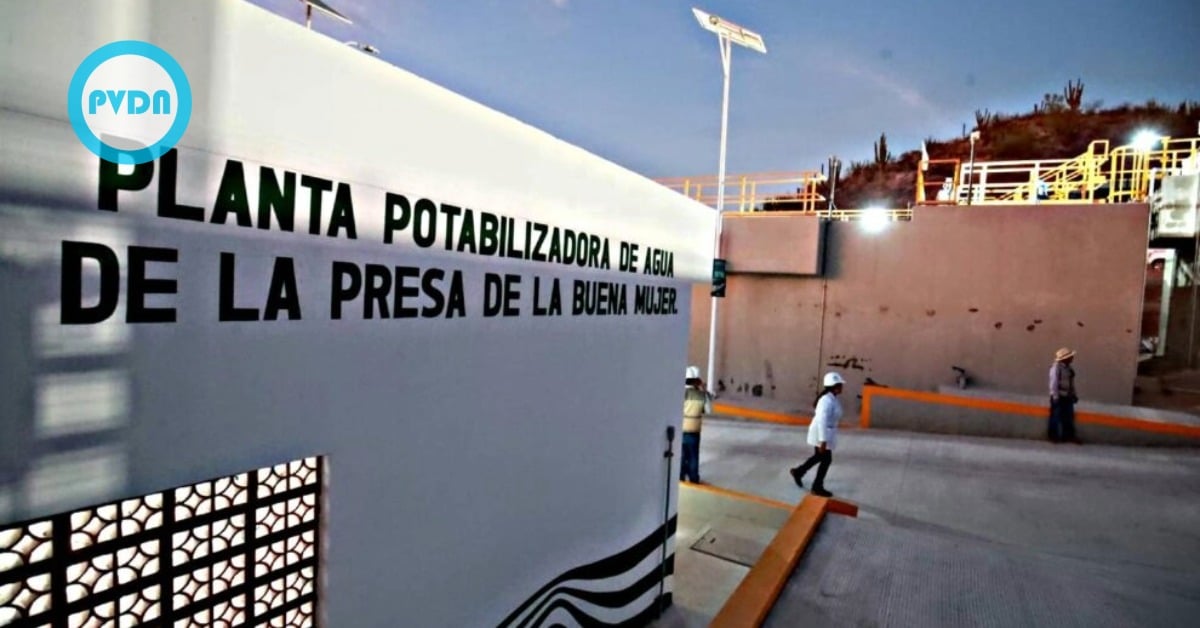
After months of tweaks and dry runs, La Paz officials say the Buena Mujer potabilization plant is finally ready to push treated water into the city network. The last missing piece was a new filter and a short stabilization period. Now they’re talking days, not months. If the start holds, the city gets a modest but functional boost, and some neighborhoods may feel fewer gaps in service. The question is how fast that benefit reaches homes still living by the tandeo calendar.
La Paz Mayor Milena Quiroga says the Buena Mujer potabilization plant will start sending water into the municipal network within a week, after installing a new filter and finishing stabilization tests. She told local media the city plans to invite the press to see the system working once the flow begins. The promise came on September 18, 2025.
A day earlier, Diario El Independiente reported a similar timeline and added applicable specifics: the startup includes a two-to-three-week period to stabilize output after the first injection is fully completed. City hall frames the plant as a steadying force for service in several west-side neighborhoods.
What the startup means and who benefits
State communications describe the project’s initial contribution at about 70 liters per second, a lift officials say will directly help around 30,000 families in multiple colonias. Earlier briefings tied that list to areas such as Márquez de León, Loma Obrera, Rinconada Lázaro Cárdenas, and Guadalupe Victoria. It’s not a silver bullet, but it’s a significant boost for a city that has struggled with shortages for years.
The city’s water operator has been publishing daily compliance notes for the tandeo schedule. This week’s update put service fulfillment near 90% for programmed neighborhoods, a reminder that even small new flows can smooth rough spots if they’re directed well. The timeline matters here: filters arrived in late August, tests followed in early September, and officials now say the plant is on the cusp.
The road to launch for the La Paz water plant
Getting to this point took longer than leaders first signaled. Over the past year, the plant cycled through adjustments and quality checks, including a replacement of critical filtration gear. Local coverage in May and August documented the procurement of certified filters and the pledge to begin operations only after water quality met target standards. That sequence tracks with the current “within a week” claim.
The broader backdrop hasn’t changed: 22 of 39 aquifers in Baja California Sur show a deficit, according to recent summaries of federal data. La Paz is part of that pressure map, which is why officials pitch Buena Mujer as one piece in a larger effort that also includes well fields, leak control, and future storage. New liters per second won’t erase the gap, but they buy breathing room.
Residents will want two answers in the coming days. First, a precise “water on” moment that confirms flow into the grid. Second, a map showing where and when the added supply lands at the tap. City channels say they will stage a site visit for media when the plant switches on. If that happens as promised, we’ll see whether output sticks through the stabilization window and shows up as fewer skipped turns on the tandeo schedule.